Micro-Reactions of the Human Brain During Decision-Making: The Subconscious's Hidden Signals
Behind an instantaneous decision lies a complex world processed by our brain in milliseconds. In this article, we will examine the micro-reactions that shape the decision-making process and the role our subconscious plays.
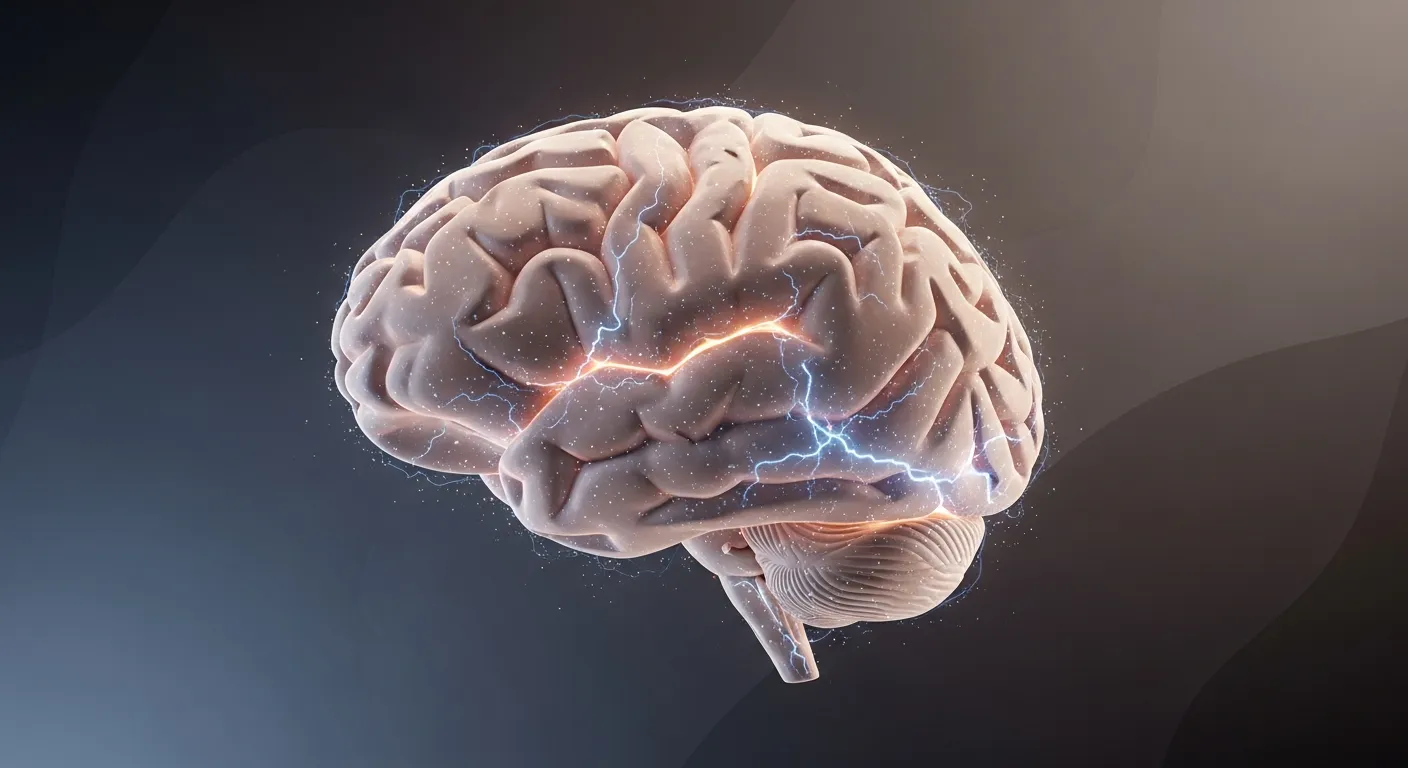
In our daily lives, we make countless decisions, ranging from what to eat to which job to apply for. While most of these decisions seem to be the product of a conscious thought process, there is actually a complex chain of micro-reactions deep within our brains, beginning long before we become aware of them. These reactions are neural activations that occur in fractions of a second, measured in milliseconds, extending from the brain's most primitive regions to its most advanced cortical areas. Understanding them helps us better interpret both our own behavior and that of others.
The Scientific Basis of Decision Mechanisms: Fast and Slow Thinking
Decision-making processes are generally divided into two main systems, as defined by Nobel laureate psychologist Daniel Kahneman:
- System 1 (Fast, Intuitive Thinking): Encompasses automatic, rapid, and low-effort decisions. It operates with emotions, habits, and pre-acquired knowledge. Examples include sudden braking in traffic or instantly sensing whether a person you meet is trustworthy. Most micro-reactions are associated with System 1's fast and subconscious operation.
- System 2 (Slow, Analytical Thinking): Involves conscious and rational decisions that require more effort, attention, and logic. Solving a complex math problem or comparing features before buying a new phone are tasks for this system. System 2 can monitor and correct the intuitive reactions generated by System 1.
These two systems are in constant interaction, and micro-reactions during decision-making typically begin with the rapid activation of System 1, which can then evolve into a more conscious process with the involvement of System 2.
The Role of Brain Regions
Multiple brain regions work synchronously during decision-making:
- Prefrontal Cortex (PFC): Specifically, the dorsolateral prefrontal cortex is responsible for high-level cognitive functions such as planning, problem-solving, and complex decision-making. It is the center of System 2 thinking.
- Amygdala: Plays a key role in processing emotional responses and memory. It has a direct impact on decisions related to strong emotions like fear and reward. The decision to quickly retreat in a moment of danger largely depends on amygdala activation.
- Basal Ganglia: Plays a significant role in regulating habit-based decisions and action selection. Decisions that become automatic through repeated behaviors are processed here.
- Ventromedial Prefrontal Cortex (vmPFC): Integrates emotional information into decision-making processes and is effective in forming value judgments. Our tendency to make risky decisions or engage in social interactions is linked to this region.
The Effect of Neurotransmitters
Chemical signals, namely neurotransmitters, form the basis of micro-reactions:
- Dopamine: Associated with reward, motivation, and learning. When evaluating the potential reward of a decision, dopamine release can increase our inclination to make that decision. For example, the excitement we feel about a new opportunity is a product of dopamine.
- Serotonin: Plays a role in regulating mood, sleep, and appetite. Fluctuations in serotonin levels can affect our risk-taking behaviors or patience.
- Noradrenaline: Related to stress response and alertness. It enables us to make quick decisions in emergencies.
Frequently Asked Questions
What do micro-reactions during decision-making mean?
Micro-reactions during decision-making are subconscious neural activations exhibited by the brain in fractions of a second, measured in milliseconds. They emerge under the influence of emotions, intuitions, and past experiences, generating guiding signals before conscious decisions.
Which brain regions are activated during the decision-making process?
During the decision-making process, regions such as the prefrontal cortex (logic and planning), amygdala (emotion), basal ganglia (habits), and ventromedial prefrontal cortex (value judgments) play active roles.
How do fast and slow thinking systems affect decisions?
Fast thinking (System 1) enables us to make intuitive and automatic decisions, while slow thinking (System 2) encompasses more analytical, logical, and effortful decisions. Micro-reactions typically originate from System 1 and can be monitored by System 2.
How do cognitive biases alter our reactions during decision-making?
Cognitive biases (e.g., confirmation bias, anchoring effect) distort how we process and interpret information, thereby skewing our micro-reactions during decision-making and consequently our final decisions in line with our expectations or existing information.
How does stress affect decision quality?
Stress negatively impacts the function of the prefrontal cortex, making logical and long-term thinking difficult. In this state, more primitive brain regions become active, increasing the tendency to make impulsive, often risky or regrettable decisions.
This content was researched and prepared by the İlgi Alanları editorial team and reviewed for accuracy and readability before publication. Information on health, finance and investment topics is general in nature and does not replace professional advice.