Eco-Friendly Product Selection for Nature Hikes: Your Guide
As we explore the peace and beauty nature offers, it's everyone's responsibility to minimize our footprint. This guide thoroughly examines eco-friendly products and selection criteria for your nature hikes.
Nature is a unique resource that inspires us, refreshes our minds, and supports our physical health. When hiking in these sacred spaces, we also assume the responsibility of protecting nature as part of our experience. Choosing eco-friendly products is a significant step in fulfilling this responsibility. It is possible to make conscious choices to minimize our footprint in nature and protect our planet's delicate ecosystems.
What is an Eco-Friendly Product? Key Criteria
For a product to be classified as eco-friendly, it must meet multiple criteria. Specifically for nature hiking gear, these criteria can be listed as follows:
- Material Source: It is important that the raw materials used for the product come from sustainable sources. Renewable or recycled materials such as organic cotton, recycled polyester, hemp, and bamboo should be preferred.
- Production Process: During the production phase, low consumption of water, energy, and chemical substances, reduced waste generation, and fair working conditions must be ensured.
- Durability and Longevity: A product's ability to be used for a long time prevents frequent replacements, thereby reducing resource consumption. Repairable or modular designs are valuable in this regard.
- Chemical Content: It is essential that the product does not contain chemicals harmful to human health and the environment (PFCs, BPA, phthalates, etc.).
- Recyclability and Waste Management: The product's ability to be easily recycled or biodegradable at the end of its life cycle enhances its eco-friendly quality.
- Packaging: The product's packaging being minimalist, made from recycled, or recyclable materials also reduces its environmental impact.
Eco-Friendly Gear for Nature Hikes
Let's examine the essential gear and their eco-friendly alternatives that will make your nature hiking experience more sustainable:
Clothing
In nature hiking, clothing can stand out not only for providing comfort and protection but also for environmentally conscious choices.
- Organic Cotton and Hemp: Can be preferred for comfortable and breathable t-shirts, shorts, or pants. Since they are grown without chemical fertilizers and pesticides, they do not harm the soil and water.
- Recycled Polyester or Nylon: Ideal for outer layer garments, raincoats, and fleece products. These materials, obtained from plastic bottles or textile waste, reduce the need for new raw materials.
- PFC-Free Waterproofing: Perfluorinated chemicals (PFCs) used in traditional waterproof clothing persist in nature for a long time and can harm living organisms. Opt for products with PFC-free DWR (durable water repellent) coatings.
Footwear
Nature hiking shoes are among the most worn and replaced pieces of gear. Sustainable options include:
- Recycled Materials: Look for brands that use recycled rubber, EVA, or mesh fabric in the uppers or soles of their shoes.
- Vegan and Biodegradable Leather Alternatives: Shoes made from synthetic or plant-based materials that do not use animal products and are biodegradable.
- Repairable Design: Models where the sole or other parts of the shoe can be replaced extend its lifespan.
Backpacks
Backpacks are typically produced using large amounts of synthetic materials. When choosing an eco-friendly backpack:
- Recycled Fabrics: Bags made from recycled nylon or polyester reduce the need for new plastic production.
- Durability: Quality stitching, robust zippers, and abrasion-resistant fabrics ensure your bag lasts for years.
- Minimalist Design: Functional and lightweight models, free from unnecessary pockets and accessories, are generally produced with less material consumption.
Water Bottles and Hydration Systems
Single-use plastic bottles are one of the biggest waste problems in nature. A reusable water bottle is one of the most important eco-friendly pieces of gear for nature hikers.
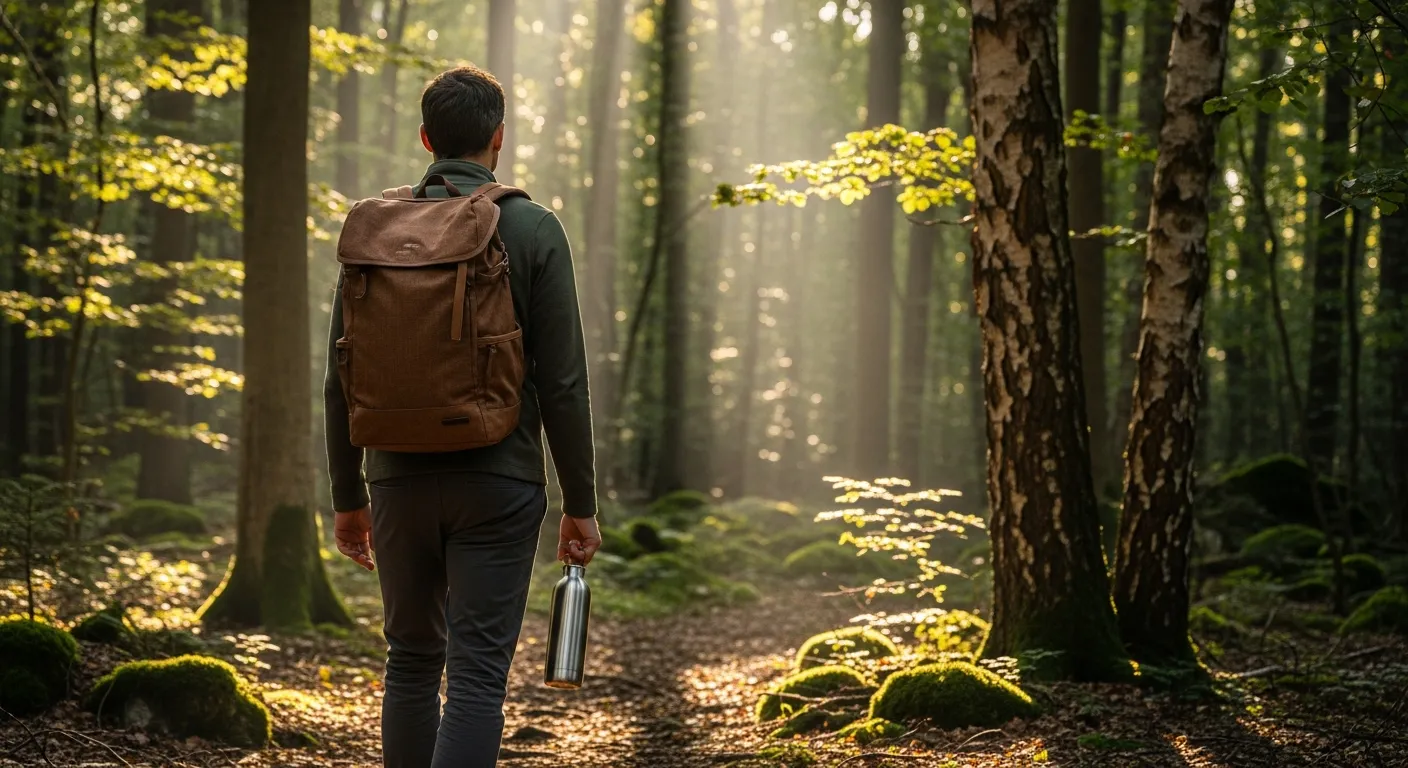
- Stainless Steel or Glass Water Bottles: Durable, BPA-free, and taste-neutral, these materials offer a long-lasting solution.
- Collapsible Silicone Bottles: Lightweight and reusable alternatives that take up little space when empty.
- Water Filters: Portable water filters that allow you to safely drink water from natural sources eliminate the need to carry bottled water.
Eating and Cooking Utensils
You can also make eco-friendly choices when preparing food or carrying snacks in nature.
- Reusable Food Storage Containers: Stainless steel or glass containers eliminate the need for plastic bags and single-use packaging.
- Bamboo or Stainless Steel Cutlery Sets: Carry your own set instead of single-use plastic cutlery.
- Solid Fuel or Alcohol Stoves: Lightweight and efficient cooking solutions that leave a smaller carbon footprint.
Personal Care Products
Personal care products we use in nature can affect ecosystems by mixing with water sources. Biodegradable options should be preferred.
- Solid Shampoos and Soaps: Reduce plastic packaging waste and generally have more natural ingredients.
- Mineral-Based Sunscreens: Choose products based on zinc oxide and titanium dioxide that do not contain chemicals harmful to oceans and aquatic life.
- Biodegradable Toilet Paper and Wipes: Traditional products can take years to decompose in nature. Use specially produced eco-friendly options.
Other Gear
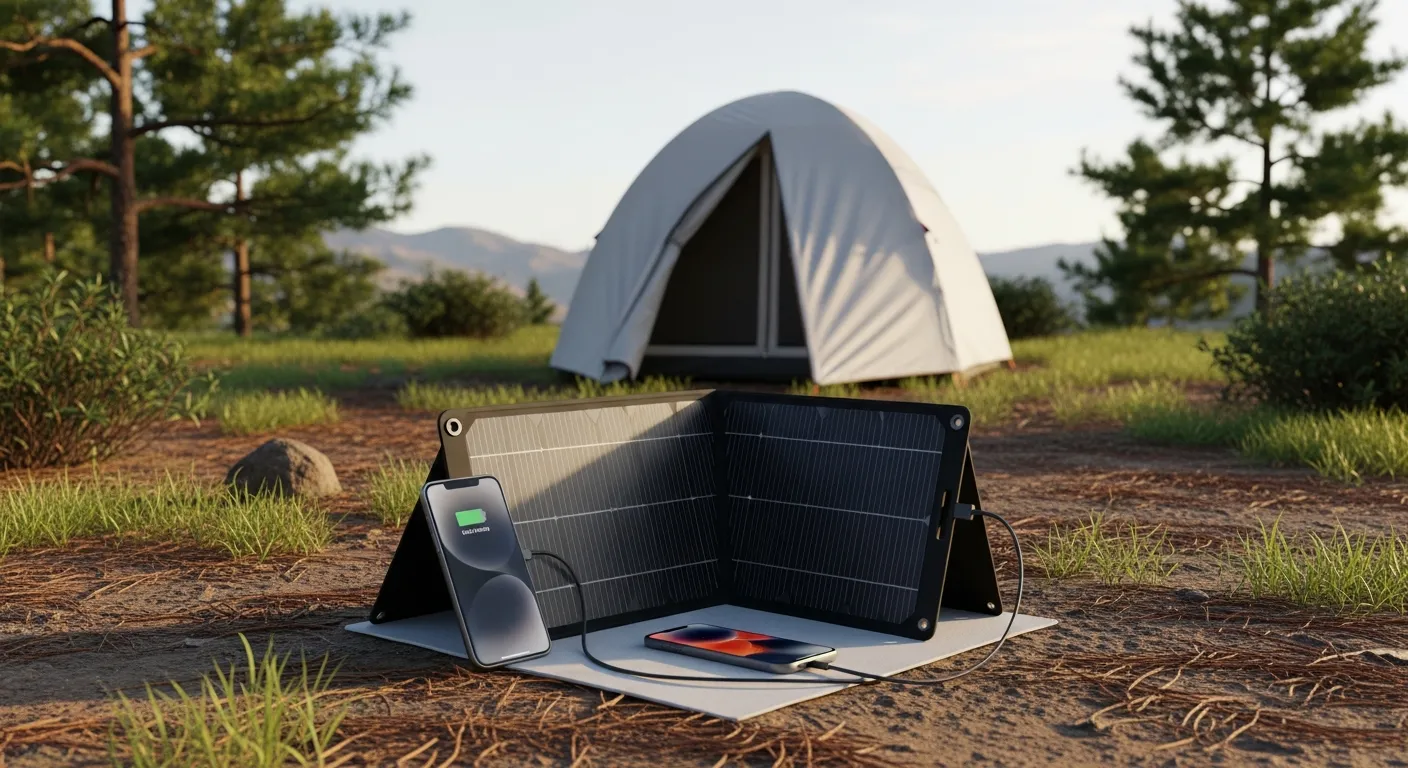
- Rechargeable Batteries and Solar-Powered Lanterns: Reduce the harm caused by single-use batteries to nature.
- Eco-Friendly Maps and Compasses: Digital map applications or maps printed on recycled paper can be preferred. You might also consider technological aids like smart wristbands to safely follow your route and monitor your basic health data. Our article Smart Wristbands for Nature Hikes will guide you on this topic.
Eco-Friendly Products: Traditional vs. Sustainable Comparison
| Product Category | Traditional Product Features | Eco-Friendly Alternative Features |
|---|---|---|
| Clothing | Petroleum-based synthetics (polyester, nylon), PFC coating, high water and energy consumption | Organic cotton, recycled polyester, hemp, PFC-free DWR |
| Water Bottle | Single-use plastic, may contain BPA, microplastic release | Stainless steel, glass, BPA-free silicone, reusable |
| Personal Care | Chemical-laden liquid products, plastic packaging, ingredients harmful to marine life | Solid soap/shampoo, mineral-based sunscreen, biodegradable ingredients, minimal packaging |
| Footwear | Synthetic leathers, adhesives, non-recyclable soles, limited repair | Recycled soles, vegan/plant-based leather, repairable design, less harmful adhesives |
Tips for Right Selection and Use
Choosing eco-friendly products doesn't end with the product itself; how you use it is also important.
- Conduct a Needs Analysis: Only acquire what you truly need. Avoiding unnecessary consumption is the most eco-friendly step.
- Focus on Durability: Cheap, low-quality products wear out quickly and become waste. Paying a little more for a long-lasting product benefits both your budget and the environment in the long run.
- Repair and Maintenance: Take good care of your products and try to repair them when they break. The longer you use a product, the less its environmental impact.
- Consider Second-Hand Opportunities: Buying used gear reduces the need for new product manufacturing and conserves resources.
- Package-Free Shopping: Whenever possible, choose products with minimal or no packaging.
Beyond the Product: Principles of Responsible Nature Hiking
Using eco-friendly products is an important part of a sustainable nature hiking experience. However, beyond this, there are fundamental principles to observe in nature.
Frequently Asked Questions
Why should we use eco-friendly products on nature hikes?
Eco-friendly products help conserve natural resources, reduce waste, and minimize harm to ecosystems. This way, we leave nature in a more livable state for future generations.
Are eco-friendly products more expensive than traditional ones?
Initially, some eco-friendly products might seem more costly. However, they are often more durable and long-lasting, making them more economical in the long run. Furthermore, as demand increases, their prices are becoming more accessible.
How can I tell if a product is truly eco-friendly?
Examine the product labels. Look for certifications and descriptions such as organic, recycled, biodegradable, BPA-free, or PFC-free. Researching the sustainability reports of reputable brands can also be helpful.
How can I make use of my old hiking gear?
You can extend the life of your old gear by repairing it, selling it on second-hand platforms, or donating it to those in need. Some brands also offer take-back and recycling programs for their old products.
How can I sustainably meet my water needs on nature hikes?
Use stainless steel or glass water bottles instead of single-use plastic bottles. Carry a portable water filter to safely source water from natural resources.
This content was researched and prepared by the İlgi Alanları editorial team and reviewed for accuracy and readability before publication. Information on health, finance and investment topics is general in nature and does not replace professional advice.