Growing Vegetables at Home with Smart Garden Systems
How about growing fresh vegetables and aromatic herbs in your kitchen without worrying about the weather or a lack of garden space? Discover the most modern way to produce your own food in urban life with smart garden systems.
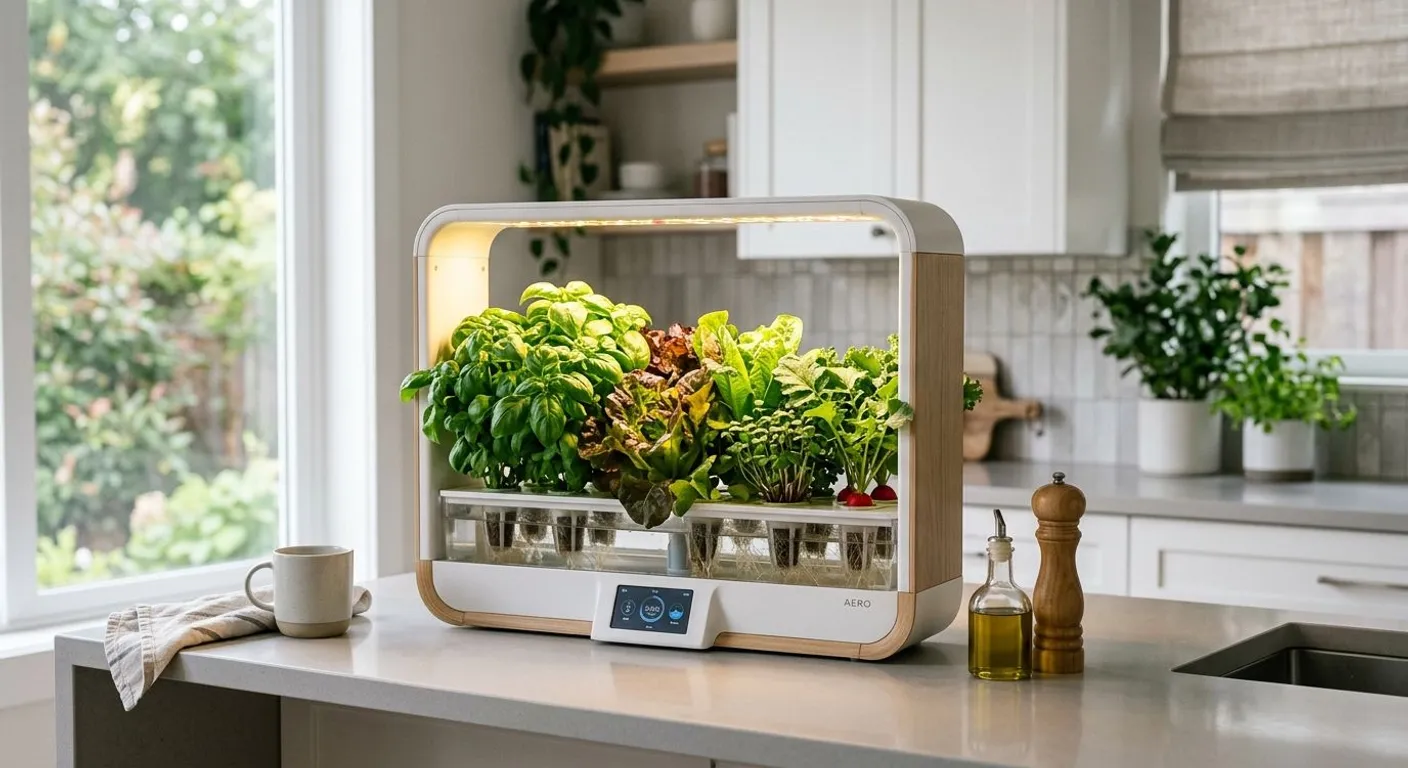
Thanks to modern technology, growing fresh greens, crisp lettuce, and fragrant herbs is now remarkably easy—even without a large outdoor garden. Space constraints and insufficient sunlight typical of apartment living are completely eliminated by smart garden systems. Whether you use a turn-key indoor garden kit or build your own automated system, producing food at home offers both a sustainable lifestyle and a wonderful hobby to unwind.
In this guide, we cover in detail how home smart farming technologies work, the advantages of hydroponic systems, and the vegetable varieties you can grow at home with high yields in a short time.
What Is a Smart Garden System and How Does It Work?
Smart garden systems are indoor farming solutions that automatically supply the light, water, and nutrients plants need using sensors and timers. Unlike traditional container gardening, they minimize human error and forgetfulness.
The core operating mechanism of these systems relies on three main components:
- Special Spectrum LED Lighting: Full-spectrum LED lights that mimic sunlight offer the optimal wavelength for photosynthesis. To understand indoor lighting principles and optimize light efficiency, you can check out the brightness and color temperature dynamics in our smart lighting guide.
- Automatic Irrigation and Circulation: Small pumps integrated into the water reservoir deliver water to the roots at specific intervals based on plant needs.
- Soilless Farming (Hydroponic/Aeroponic) Infrastructure: Instead of soil, many smart gardens use nutrient-enriched water or neutral growing media such as coconut coir or perlite.
Advantages of Indoor Smart Farming
Growing your own vegetables in urban life is not just a hobby; it is also a transformation that supports healthy eating habits. Here are the key advantages of smart garden systems:
- 4-Season Continuous Harvest: Regardless of weather conditions, you can produce 365 days a year at room temperature.
- Pesticide- and Chemical-Free Food: Plants grown entirely under your control are never exposed to harmful agricultural chemicals.
- High Water Savings: Closed-loop hydroponic systems use up to 90% less water compared to traditional soil-based irrigation.
- Fast Growth: Because nutrients are delivered directly to roots in liquid form, plants do not waste energy searching for nutrients in soil and mature 30–50% faster.
Ready-to-Use Smart Gardens vs. DIY Systems
When starting indoor smart gardening, you have two primary paths: purchasing plug-and-play commercial products or building your own sensor-driven setups. Hobbyists who want to develop their own automation setup can easily integrate humidity, temperature, and water level sensors through Raspberry Pi projects.
In the table below, you can see a comparison between ready-to-use systems and DIY projects:
| Criteria | Ready-to-Use Smart Garden Kits | DIY Smart Gardens |
|---|---|---|
| Installation Difficulty | Very Easy (Plug & Play) | Intermediate - Advanced (Requires Technical Skills) |
| Cost | Higher Initial Cost | More Economical per Component |
| Customization | Limited (Dependent on brand pods) | Fully Flexible (At any scale) |
| Maintenance Needs | Minimal (Just add water and nutrients) | Regular Inspection and Software Updates |
| Yield and Scale | Small / Countertop Scale | Scalable to Any Size |
Easiest Vegetables and Herbs to Grow in Indoor Smart Gardens
Not all plants perform equally well under artificial light indoors. To get fast results early on and keep your motivation high, you can choose the following species:
- Aromatic Herbs: Basil, purple basil, mint, thyme, parsley, and cilantro are the fastest-growing species in a hydroponic environment.
- Leafy Greens: Arugula, lettuce varieties, Swiss chard, and spinach are perfect for smart gardens due to their shallow root requirements.
- Microgreens: Radish, arugula, or sunflower sprouts can be harvested in just 7–10 days with high nutritional value.
- Dwarf Fruit Vegetables: Varieties like cherry tomatoes, dwarf peppers, and strawberries yield delicious fruit indoors when provided with sufficient lighting power.
Golden Rules for a Successful Harvest
Although smart systems significantly lighten the workload, there are key factors to consider to maintain plant health. Keeping the water reservoir pH value between 5.5 and 6.5 directly affects nutrient absorption. Furthermore, keeping the room temperature between 18–24°C and ensuring light ventilation in the system area prevents root rot and fungal diseases.
Refreshing the water every 2 to 3 weeks prevents residue buildup and ensures your plants receive consistently balanced nutrition.
Resources
Frequently Asked Questions
Do smart garden systems use a lot of electricity?
No. The LED lighting and small water pumps used in modern smart gardens have extremely low power consumption. Their impact on your monthly electric bill is usually equivalent to running a single light bulb.
Is growing soilless (hydroponic) vegetables at home healthy?
Yes, it is completely healthy. In hydroponic farming, plants get the minerals they need directly from natural nutrient salts dissolved in water. Since no pesticides or synthetic chemicals are applied externally, it is a very clean method of production.
Do vegetables grown in a smart garden taste good?
When the right nutrient balance and full-spectrum LED light are provided, the flavor and aroma of vegetables grown in a smart garden are no different from soil-grown ones, and often even more intense due to their freshness.
This content was researched and prepared by the İlgi Alanları editorial team and reviewed for accuracy and readability before publication. Information on health, finance and investment topics is general in nature and does not replace professional advice.