Minimalist Living in Mediterranean Culture: Warm and Natural Simplicity
Minimalism is not just about reducing possessions; for Mediterranean people, simplicity means connecting with nature, sharing the moment, and slowing down the rhythm of life.
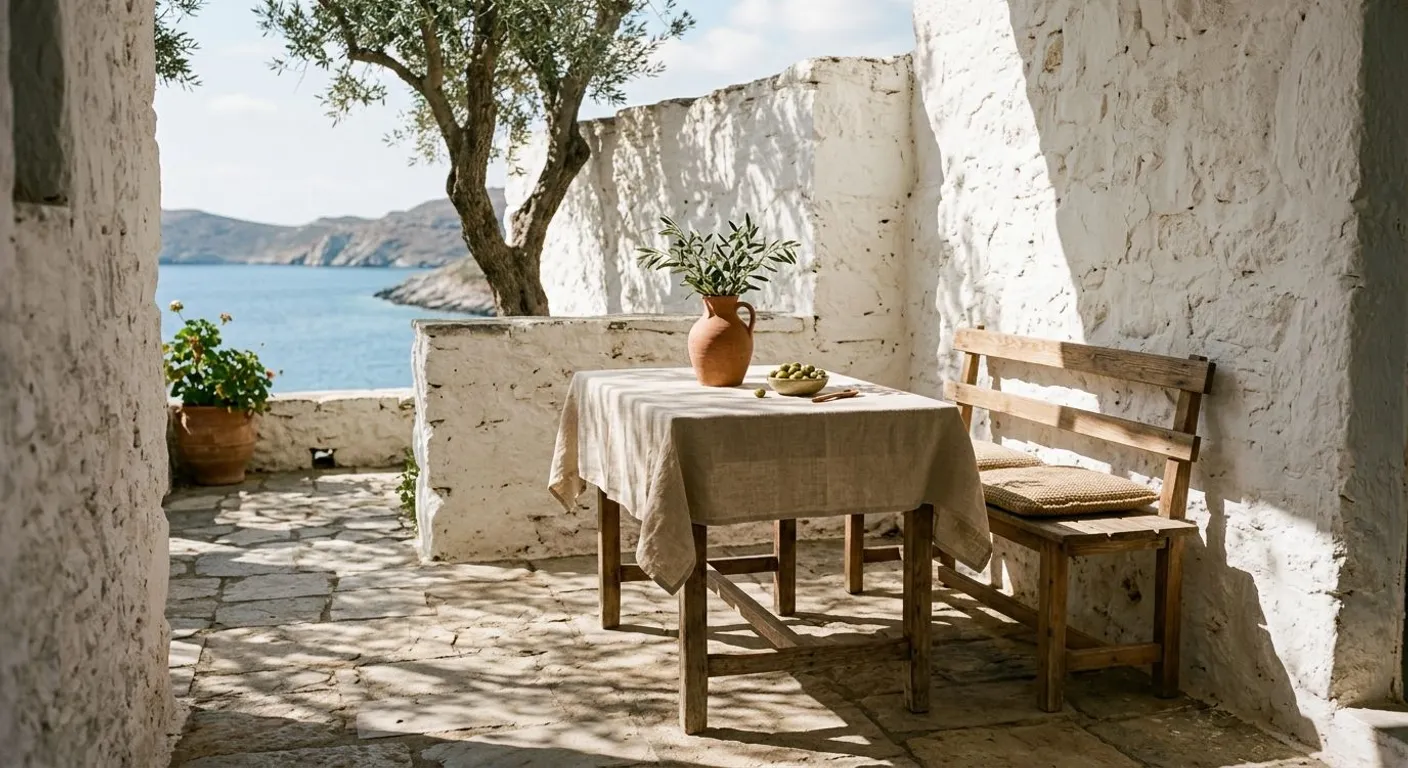
In the modern world, when minimalism is mentioned, stark white walls, monochrome color palettes, and cold spaces stripped of all ornamentation often come to mind. However, the simple lifestyle that has endured for centuries in the Mediterranean basin proves that simplicity does not have to be cold. Minimalist living in Mediterranean culture is an unpretentious yet rich philosophy of life that centers on the sun, sea, soil, and human relationships.
Aiming to enjoy life rather than being a slave to possessions, this approach offers an organic and sustainable alternative instead of rigid rules for those considering a transition to a minimalist home. In Mediterranean simplicity, the main focus is not on restriction, but on preserving the essence.
Mediterranean Minimalism: Deepening Meaning Rather Than Stripping Away Objects
For Mediterranean people, home is not merely a place to shelter; it is a breathing living space interwoven with the outside world. While minimalism of Northern European origin focuses on functionality and sharp geometric lines, Mediterranean minimalism places importance on textures, lived experiences, and naturalness.
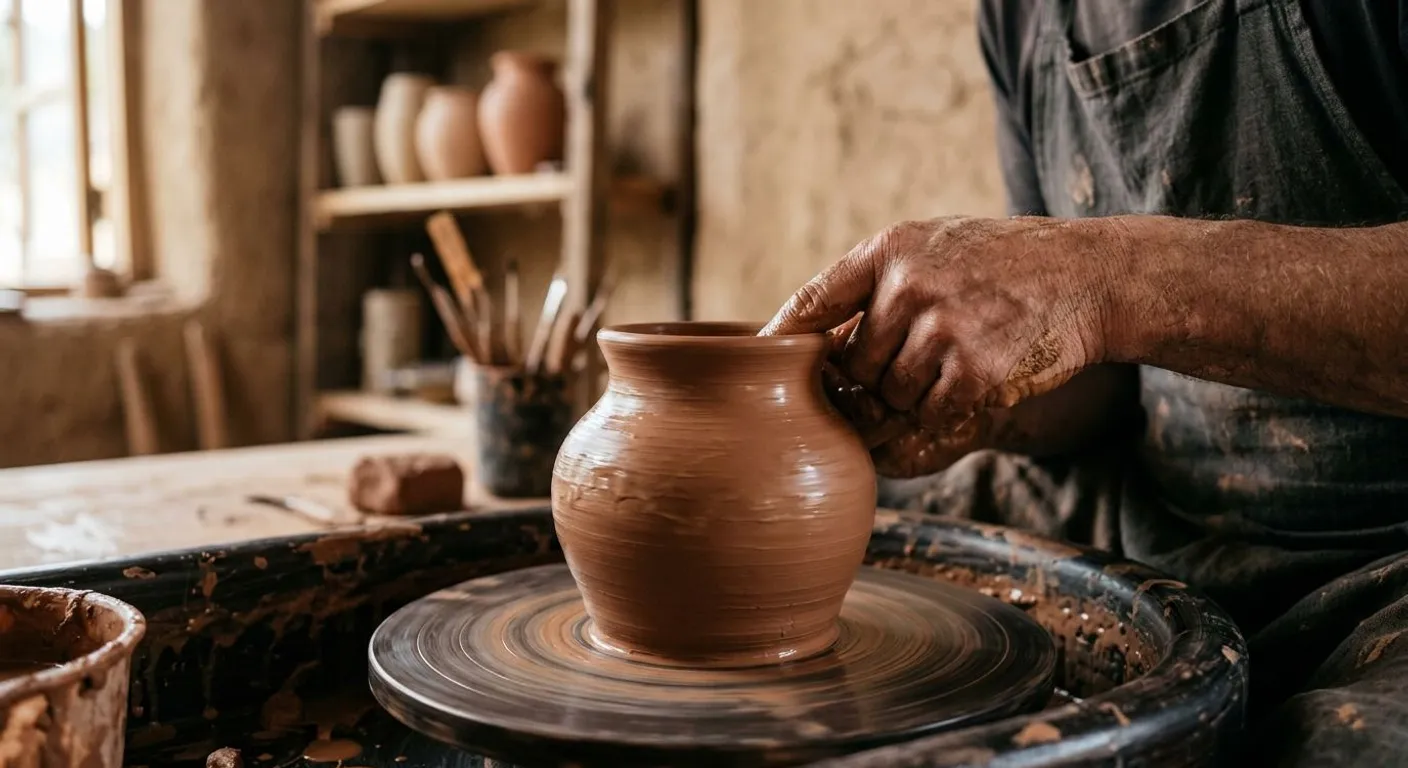
In this culture, the value of an object comes not from its perfection, but from its function and the feeling it evokes. An olive wood cutting board used for years, a handmade terracotta pitcher, or a sun-bleached linen curtain are the simplest expressions of Mediterranean aesthetics. The concept of simplicity here is not about throwing away excesses, but about surrounding oneself only with objects that are truly needed and touch the soul.
Scandinavian and Mediterranean Simplicity: A Comparative Look
Simple living approaches are shaped by geographical and climatic conditions. While the warm touch of Scandinavian design encourages seeking peace in indoor spaces, Mediterranean architecture and lifestyle eliminate the boundaries between indoor and outdoor spaces.
| Feature | Scandinavian Minimalism | Mediterranean Minimalism |
|---|---|---|
| Focus Point | Indoor comfort, functional simplicity | Integration with the outdoors, social connections |
| Material Palette | Light-colored wood, smooth surfaces | Stone, terracotta, olive wood, linen |
| Color Tones | White, gray, pastel, and neutral tones | Earth tones, olive green, terracotta brick, stone white |
| Rhythm of Life | Home-oriented, orderly, and sheltered (Hygge) | Outdoor-oriented, slow, spontaneous, and shared |
| Aesthetic Concept | Flawless geometry and clean lines | Natural imperfections, lived-in texture, and patina |
Key Building Blocks of Mediterranean-Style Simple Living
Mediterranean-type simplicity reveals itself not only in decoration, but in every aspect of daily life, from diet to time management.
1. Natural Materials and Local Aesthetics
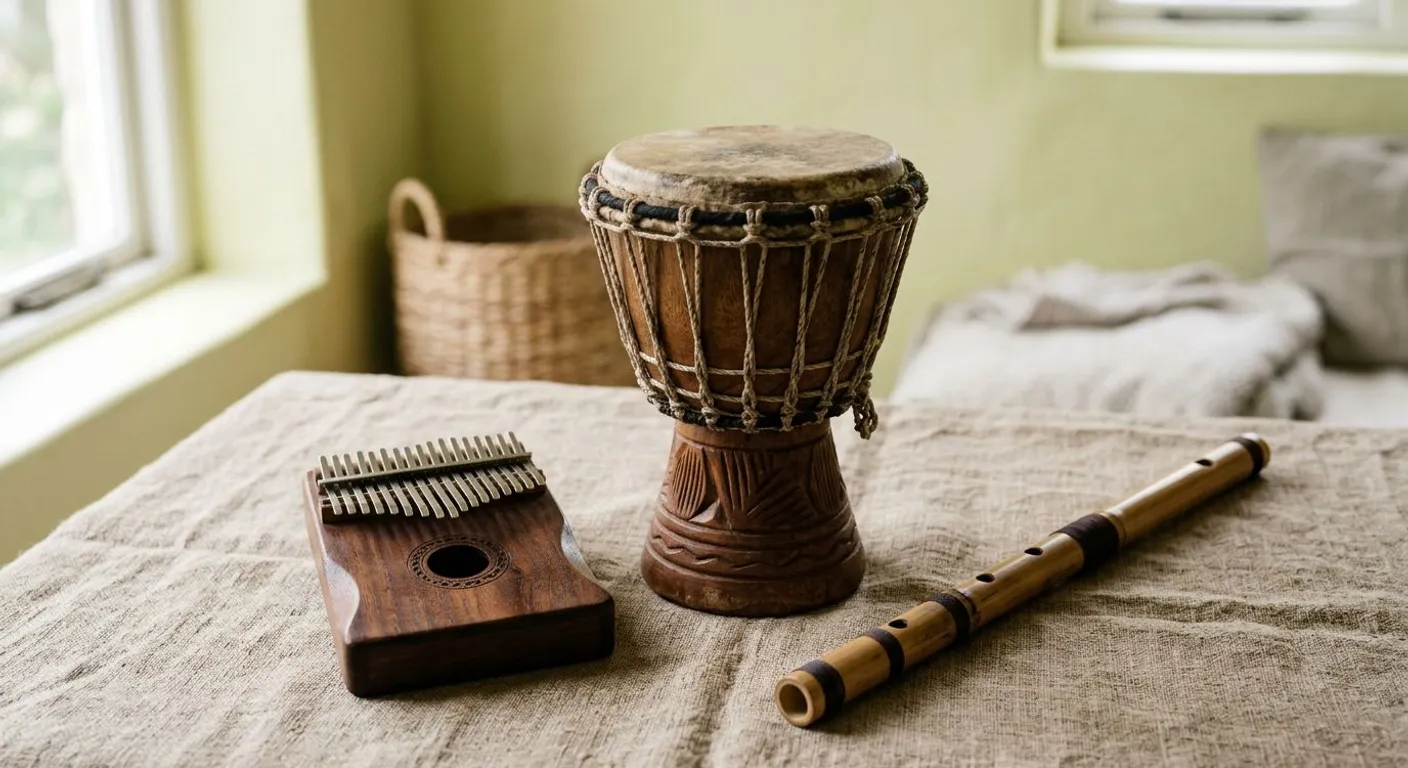
Artificial materials, plastics, and mass-produced ornaments are rarely found in Mediterranean homes. The main elements shaping spaces are whitewashed stone walls, wooden beams, and tactile natural fabrics. When designing interiors with cultural objects, ceramics crafted by local artisans and long-lasting items are preferred. The wear and tear of items over time is not seen as a defect, but as a story that adds character to the space.
2. Unity and Simplicity in Dining Culture
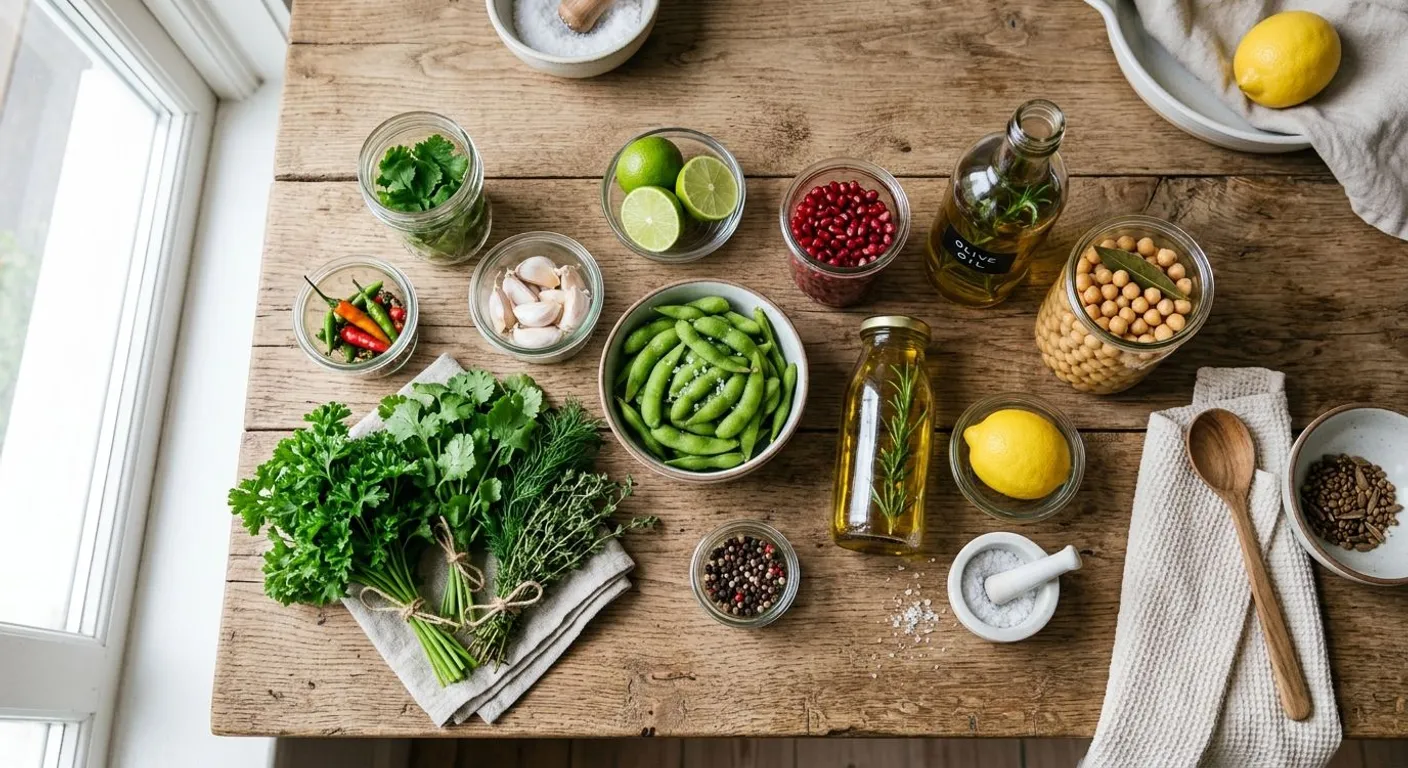
The Mediterranean diet is the most concrete example of a minimalist kitchen philosophy. Instead of complex sauces or heavy preparations lasting hours, fresh olive oil, seasonal vegetables, fresh herbs, and good quality bread are enough. The simplicity of the food ensures that flavor comes directly from the raw ingredients. The table is not just a place to satisfy hunger, but an unhurried social space where family and friends converse for hours.
3. Slow Living and Creating Mental Space
In Mediterranean philosophy, time is not a resource to be consumed, but a flow to be experienced. Short breaks taken during the hottest hours of the day (siesta) or evening walks at sunset (passeggiata) clear the mind of unnecessary stress. This approach aligns directly with the modern world's slow travel and slow living movements. Just like the Slow Travel philosophy, living in the moment without missing it is essential in daily life as well.
Ways to Practice Mediterranean Minimalism in Daily Life
You do not need to make radical changes to integrate this warm and natural sense of simplicity into your life. You can capture the Mediterranean spirit by changing a few basic habits:
- Reduce Visual Clutter: Make room for matte, natural, and tactile objects instead of synthetic and glossy surfaces.
- Eat Seasonally and Simply: Choose fresh, quality local products with few ingredients over complex recipes in your kitchen.
- Strengthen Your Connection to the Outdoors: Make your balcony, garden, or window front the centerpiece of your living space. Benefit from daylight and fresh air as much as possible.
- Dedicate Time to Social Connections: Reduce the mental clutter created by digital screens and share long, relaxed, unhurried meals with loved ones.
- Question Your Consumption Patterns: Acquire timeless, quality pieces that can accompany you for years, rather than buying simply because something is trending.
Mediterranean minimalism is the warmest way to remove excess items from your life while filling their place not with solitude, but with joy, nature, and love for humanity.
Resources
Frequently Asked Questions
What is the most distinct difference between Mediterranean minimalism and classic minimalism?
While classic minimalism is usually built around neutral colors, smooth surfaces, and a lack of objects, Mediterranean minimalism highlights natural textures with a lived-in feel, warm earth tones, and social connection.
How can I create a Mediterranean-style minimalist atmosphere in my home?
You can create a clutter-free, natural space by using light-colored whitewashed walls, linen curtains, handmade ceramics, and wooden objects made from olive wood.
How are colors used in Mediterranean minimalism?
Tones inspired by nature dominate, such as chalk white, stone gray, terracotta, olive green, and sea blue.
Is a Mediterranean-style slow life possible in city life?
Yes; cooking with fresh, simple ingredients instead of processed foods, taking digital detox breaks, and growing natural plants on your balcony can keep this spirit alive in the city.
This content was researched and prepared by the İlgi Alanları editorial team and reviewed for accuracy and readability before publication. Information on health, finance and investment topics is general in nature and does not replace professional advice.