At-Home Infrared Therapy Devices: A Next-Generation Look at Your Health
Ready to discover a modern health solution in the comfort of your home? Infrared therapy devices can enrich your wellness routine by offering benefits in pain management, skin rejuvenation, and relaxation.
At-home infrared therapy devices are becoming an important part of modern health and wellness practices. Many individuals struggling with stress, muscle pain, or skin problems brought on by a fast-paced lifestyle are turning to the natural and side-effect-free solutions offered by this technology. In this article, we will delve into the scientific foundations of infrared therapy, the types of devices you can use at home, their benefits, and safe usage tips. Our goal is to provide a comprehensive guide to help you make an informed choice.
What is Infrared Therapy and How Does It Work?
Infrared therapy is a method that uses an invisible light spectrum to penetrate deep into the body's tissues and act at a cellular level. Infrared rays, also found in sunlight, are not harmful like ultraviolet (UV) rays and do not burn the skin. They are primarily divided into two main types:
- Near Infrared (NIR): These wavelengths, closest to visible light, penetrate the more superficial layers of the skin and muscle tissue. They support wound healing, collagen production, and muscle regeneration by increasing cellular energy production (ATP).
- Far Infrared (FIR): With longer wavelengths, FIR rays gently raise body temperature, accelerating blood circulation, promoting sweating, and relaxing muscles. They are frequently used for detoxification and pain management.
Infrared rays stimulate mitochondria in cells, increasing energy production. This cellular activation contributes to reducing inflammation, accelerating tissue repair, and supporting overall healing processes.
Benefits of At-Home Infrared Therapy
The popularity of infrared therapy stems from the wide range of benefits it offers. Regular at-home use can significantly improve your quality of life:
- Pain Management and Muscle Relaxation: Infrared rays penetrate deep into muscles, reducing tension and increasing blood flow. This can provide significant relief, especially for those suffering from chronic back pain, neck stiffness, or post-sport muscle soreness. If you're looking for more active solutions for muscle pain, you might also want to check out our article, High-Frequency Massage Guns: Deep Impact in Muscle Relaxation and Recovery.
- Skin Health and Rejuvenation: NIR rays stimulate collagen and elastin production, increasing skin elasticity and reducing the appearance of fine lines and wrinkles. They can also help alleviate the symptoms of skin conditions such as acne, eczema, and psoriasis.
- Increased Blood Circulation: The gentle heat generated by FIR rays causes blood vessels to dilate, accelerating blood flow. This helps transport more oxygen and nutrients to tissues while facilitating the removal of waste products.
- Reduced Inflammation: Scientific studies support its role in helping to reduce inflammation at a cellular level. This can be beneficial in alleviating the symptoms of inflammatory conditions like arthritis.
- Stress Reduction and Relaxation: The warm and soothing environment created by infrared saunas or blankets contributes to mental relaxation and stress reduction. This, in turn, improves overall mood and supports sleep quality.
- Detoxification: Far infrared heat helps the body eliminate toxins by increasing perspiration.
Types of At-Home Infrared Therapy Devices
At-home infrared therapy devices vary to suit different needs and budgets:
- Infrared Panels and Lamps: Ideal for targeting a specific body area. They come in various sizes, from small, portable lamps to large panels that cover the entire body. They often offer both NIR and FIR spectrums combined.
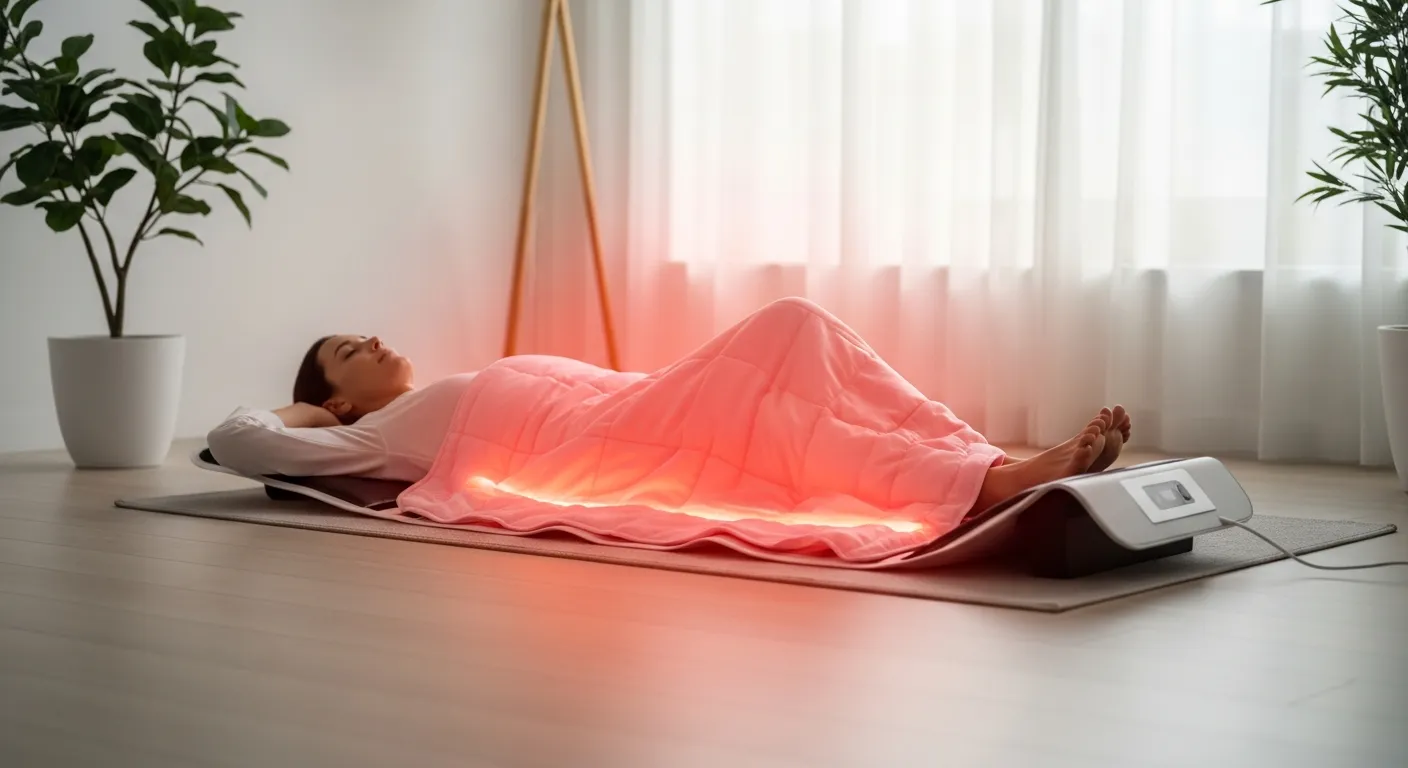
- Infrared Blankets and Saunas: Offer a deep, full-body therapy experience. Infrared blankets provide practical solutions for wrapping up and lying down, while portable infrared saunas offer a more comprehensive detoxification and relaxation opportunity.
- Infrared Face Masks: Specifically designed for skin rejuvenation and acne treatment. They typically use LED technology with NIR rays to target collagen production.
- Handheld Infrared Devices: Small, ergonomic devices ideal for targeted pain relief or skin healing applications. They offer ease of use while traveling or on the go.
What to Consider When Choosing the Right Infrared Therapy Device
When choosing an infrared therapy device, you should consider several important factors to find a model that suits your needs and intended use:
- Wavelength: Determine which wavelength (NIR, FIR, or a combination of both) is more suitable for you. NIR is more effective for skin issues and wound healing, while FIR is better for pain and detoxification.
- Power Density (Irradiance): Refers to the intensity of light reaching the skin (mW/cm²). Higher power density can lead to more effective results in a shorter time. Reputable brands provide this information in their products.
- Coverage Area: Consider which body part or how large an area you want to treat. A mask for the face, a panel for back pain, or a blanket or sauna for the entire body can be chosen. If you're looking for a device for posture-related pain, our article Smart Posture Correctors: Rediscover Your Stance with the Power of Technology might also help you.
- Ease of Use and Safety Features: Features like a timer, automatic shut-off, and adjustable intensity improve the user experience. Also, ensure the device is made from safe and high-quality materials.
- Budget: Infrared therapy devices come in a wide price range. Find a balance that offers the most suitable features for your needs and fits your budget.
Comparison of Infrared Wavelengths
| Feature | Near Infrared (NIR) | Far Infrared (FIR) |
|---|---|---|
| Wavelength Range | 700 nm – 1400 nm | 3000 nm – 1 mm |
| Penetration Depth | Superficial skin layers, muscle tissue | Deeper skin layers, body core |
| Primary Area of Effect | Cellular energy, collagen production, wound healing, muscle repair | Blood circulation, detoxification, muscle relaxation, pain relief |
| Perceived Heat | Generally a mild warmth | More distinct, deep heat sensation |
| Applications | Skin rejuvenation, acne, sports injuries | Muscle pain, arthritis, general detox, relaxation |
Safe Use and Potential Risks of Infrared Therapy
While infrared therapy is generally considered safe, it's important to understand proper usage and potential risks:
- Dosage and Duration: Follow the manufacturer's instructions. Typically, 10-20 minute sessions are sufficient. Overuse can lead to skin irritation or burns.
- Eye Protection: NIR rays, in particular, can be harmful to the eyes. It is important to wear protective eyewear when using therapy panels.
- Skin Sensitivity: Individuals with sensitive skin may experience redness or mild irritation. Start with a lower intensity and observe your skin's reaction.
- Contraindications: Pregnant individuals, those with metal implants, serious heart conditions, or those taking certain medications should consult a healthcare professional before starting infrared therapy. Avoid using the device on open wounds, infections, or cancerous areas.
Tips for Integrating Infrared Therapy into Your Daily Routine
Incorporating infrared therapy into your lifestyle is quite easy. Here are a few suggestions:
- Morning Energy Boost: A short infrared session before starting your day can revitalize your body and help you begin with more energy.
- Post-Workout Recovery: Apply an infrared panel to your muscles after a workout to reduce muscle soreness and stiffness. This helps accelerate muscle repair.
- Evening Relaxation: An infrared blanket or sauna session before bed can help you shed the day's stress and transition into higher quality sleep. For inspiration on calming your environment, you can refer to our article The Impact of Home Scents on Our Mood: Scientific Connections and Recommendations.
- Targeted Treatment: Use handheld devices or small panels regularly for specific joint pain or skin issues.
At-home infrared therapy devices offer a comfortable and effective health solution provided by modern science. By choosing the right device and adhering to safety guidelines, you can take a significant step towards achieving your goals for pain management, skin health, and overall well-being. Remember, if you have any health concerns or before starting a new treatment, it is always best to consult a healthcare professional.
Frequently Asked Questions
What do infrared therapy devices do?
Infrared therapy devices support overall well-being with their pain-relieving, anti-inflammatory, blood circulation-boosting, skin-rejuvenating, and muscle-relaxing effects.
Is at-home infrared therapy safe?
Yes, at-home infrared therapy is generally safe as long as manufacturer instructions are followed and eye protection is used. However, individuals with certain health conditions are advised to consult their doctor.
What is the difference between Near Infrared (NIR) and Far Infrared (FIR)?
NIR rays penetrate the more superficial layers of the skin, supporting cellular energy and collagen production, while FIR rays penetrate deeper, promoting blood circulation, detoxification, and muscle relaxation.
How long should infrared therapy be applied?
Generally, 10 to 20-minute sessions are recommended, but it is best to follow the specific instructions in your device's user manual.
What should I consider when choosing an infrared therapy device?
You should consider factors such as wavelength (NIR/FIR), power density (irradiance), coverage area, ease of use, safety features, and budget.
This content was researched and prepared by the İlgi Alanları editorial team and reviewed for accuracy and readability before publication. Information on health, finance and investment topics is general in nature and does not replace professional advice.