Microbiome Balance and Gut Health Products: A Comprehensive Guide
The trillions of microorganisms in your gut form the foundation of your overall health. Discover the importance of the microbiome and the right products to maintain and improve this balance.
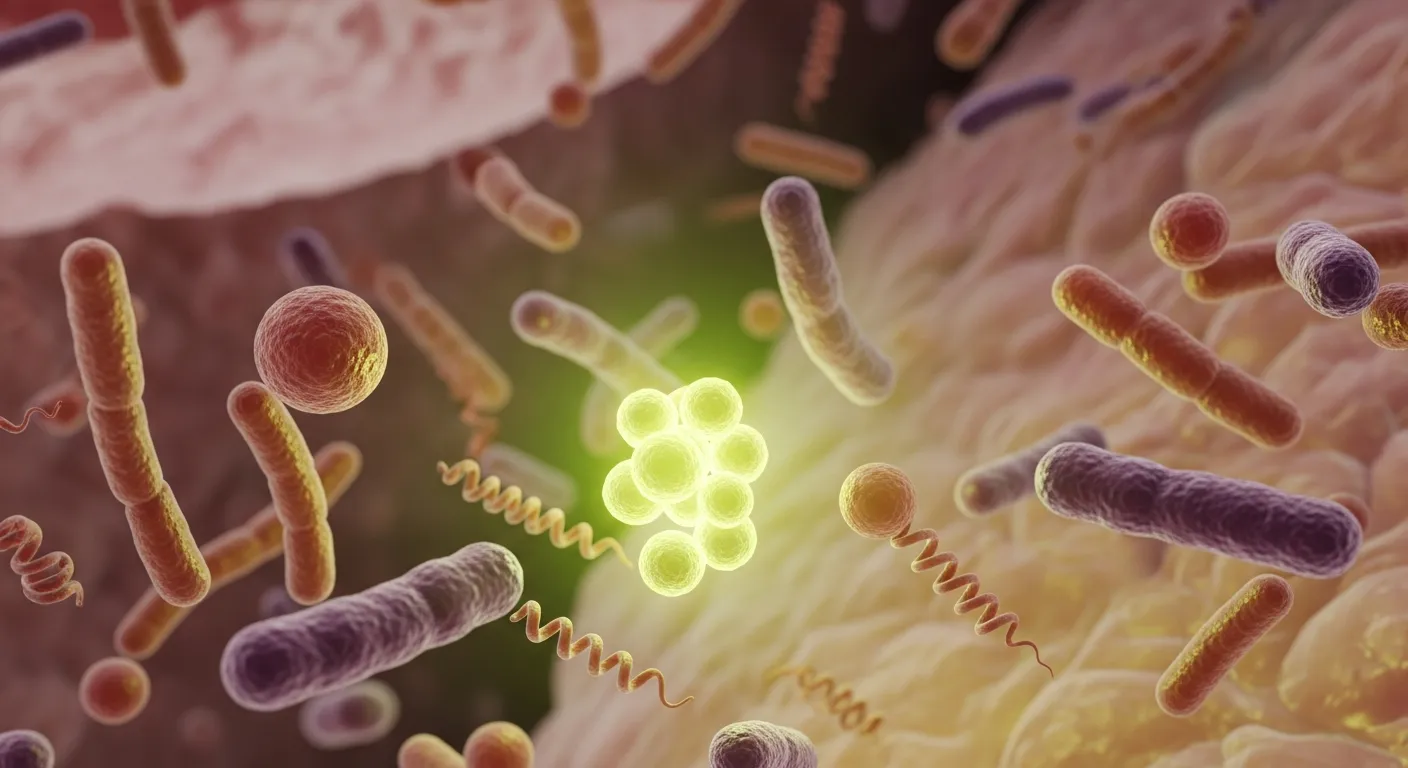
Beyond being a simple channel for processing nutrients, your intestines are a complex ecosystem home to trillions of microorganisms. This ecosystem, known as the gut microbiome, profoundly affects many aspects of your health. The balance of these microbes, which play a wide range of roles from digestion to immunity, mood, and metabolism, is key to your well-being. Understanding the gut microbiome and choosing the right products to support it can help you feel better in the face of modern life's challenges.## What is the Gut Microbiome and Why is it Important?The gut microbiome is the collective name for the bacteria, viruses, fungi, and other microorganisms living in the human body, particularly in the intestines. Each individual has a unique microbiome, and this community consists of approximately 100 trillion cells. A large portion of these microorganisms resides in the large intestine, the final section of the digestive system, and undertakes critical tasks for human health:* Nutrient Digestion and Absorption: They digest certain fibers to produce short-chain fatty acids (SCFAs). These fatty acids serve as an energy source for intestinal cells and maintain the integrity of the gut wall.* Immune System Support: In the intestines, where a large portion of immune cells are located, the microbiome regulates the proper functioning of the immune system. It forms a barrier against harmful pathogens, protecting the body.* Vitamin Production: It helps synthesize certain essential vitamins, such as vitamin K and B-group vitamins.* Mood and Brain Functions: Through the bidirectional communication between the gut and the brain (the gut-brain axis), it contributes to the production of neurotransmitters like serotonin and can influence mood and stress management.* Hormonal Balance: It can affect the metabolism of hormones like estrogen.When this balance is disrupted, meaning the ratio of beneficial bacteria decreases while harmful bacteria increase, a condition called dysbiosis occurs. Dysbiosis can lead to various health problems, from digestive issues (bloating, gas, constipation, diarrhea) to inflammatory bowel diseases, autoimmune disorders, and even changes in mental states.## Factors Disrupting Microbiome BalanceModern lifestyle and environmental factors can negatively affect the balance of our gut microbiome. Recognizing these factors is important for taking preventive and restorative steps:* Dietary Habits: A diet high in sugar, processed foods, saturated fats, and low in fiber reduces beneficial bacteria while promoting the growth of harmful bacteria.* Antibiotic Use: While life-saving, antibiotics can severely disrupt microbiome balance by destroying not only bad bacteria but also beneficial bacteria in the gut.* Stress: Chronic stress affects the digestive system via the gut-brain axis, can increase gut permeability, and alter microbiome composition.* Lack of Sleep: Insufficient or poor-quality sleep disrupts the body's overall balance and negatively affects the gut microbiome.* Environmental Toxins: Exposure to pesticides, heavy metals, and other chemicals can harm gut health.* Alcohol and Tobacco Consumption: Both can damage the gut barrier and lead to dysbiosis.## Key Products Supporting Gut HealthVarious products are available to support microbiome balance and improve gut health. These products work through different mechanisms to help strengthen the gut ecosystem.### Probiotics: Friendly BacteriaProbiotics are live microorganisms that, when administered in adequate amounts, confer a health benefit on the host. They typically contain lactic acid bacteria (e.g., Lactobacillus species) and bifidobacteria (e.g., Bifidobacterium species). Probiotics aim to restore balance by directly adding beneficial bacteria to the gut microbiome.Main benefits:* Alleviate digestive discomforts (diarrhea, constipation, bloating).* Strengthen the immune system.* Inhibit the proliferation of pathogenic (harmful) bacteria.* Strengthen the gut barrier, reducing the risk of leaky gut syndrome.You can obtain probiotics naturally from fermented foods like yogurt, kefir, and pickles, or use them as dietary supplements. When choosing a supplement, it's important to select broad-spectrum products containing various bacterial strains and those with a sufficient number of live bacteria (CFU).### Prebiotics: Food for Friendly BacteriaPrebiotics are special types of fibers that are indigestible by the human digestive system but are fermented by beneficial bacteria in the gut, supporting their growth and activity. In other words, prebiotics are a kind of food source for probiotics.Natural prebiotic sources include foods like leeks, onions, garlic, bananas, asparagus, oats, and barley. The most well-known prebiotic fibers are inulin and fructooligosaccharides (FOS). Prebiotics enhance the effects of probiotics, contributing to microbiome balance and helping regulate bowel movements.### Postbiotics: Next-Generation SupportPostbiotics are metabolic byproducts or inactive microbial components produced by probiotic microorganisms during their fermentation activity. These include short-chain fatty acids (like butyrate), enzymes, peptides, and organic acids. Many of the benefits of probiotics are thought to be provided through these postbiotic components. Postbiotic supplements directly provide these beneficial components, supporting gut health, potentially reducing inflammation, and strengthening the immune system.### Digestive EnzymesDigestive enzymes are proteins that enable the body to break down and absorb nutrients. Enzymes produced by the pancreas, such as amylase (carbohydrates), lipase (fats), and protease (proteins), help process nutrients more effectively in the intestines. Especially as we age or due to certain health issues when enzyme production decreases, digestive enzyme supplements can enhance nutrient absorption, alleviate digestive discomforts, and prevent overloading the gut microbiome.### L-Glutamine and Gut Barrier RepairL-Glutamine is one of the most abundant amino acids in the body and an important energy source for intestinal cells. Particularly in cases of leaky gut syndrome (increased intestinal permeability), L-Glutamine supplementation can help repair and strengthen the gut barrier. By maintaining the integrity of the intestinal wall, it contributes to preventing toxins and undigested food particles from entering the bloodstream.## Guide to Choosing the Right Gut Health ProductThe gut health products market offers a wide range, and making the right choice can be confusing. Here's what to consider:* Identify Your Needs: Do you have digestive issues? Have you used antibiotics? Do you want to strengthen your immunity? Your needs will determine the type of product you choose.* Seek Expert Advice: Especially if you have a chronic health condition or are taking regular medication, consult a doctor or dietitian to determine suitable products for you.* Examine Product Ingredients: For probiotics, pay attention to the CFU (Colony Forming Unit) count and different bacterial strains. A high CFU doesn't always mean better; what's important is the right strains in the right amounts. For prebiotics, check the fiber type, and for postbiotics, their content.* Quality and Reliability: Research the manufacturer's credibility and whether the product has undergone third-party testing. Pay attention to storage conditions (such as whether refrigeration is required).* Formulation: Choose a form that suits your ease of use from options like capsules, powders, or liquids. Some probiotics come in acid-resistant capsules, ensuring the bacteria reach the intestines alive.## Probiotic, Prebiotic, and Postbiotic Comparison| Feature | Probiotic | Prebiotic | Postbiotic || :------------------ | :------------------------------------------- | :---------------------------------------------- | :----------------------------------------------- || Definition | Live microorganisms | Food for beneficial bacteria (indigestible fibers) | Metabolic byproducts/components of probiotics || Mechanism of Action| Directly adds beneficial bacteria to gut flora | Supports the growth and activity of beneficial bacteria | Directly provides beneficial components, reduces inflammation || Example Ingredients| Lactobacillus, Bifidobacterium strains | Inulin, FOS, galactooligosaccharides (GOS) | Short-chain fatty acids (butyrate), enzymes, peptides || Natural Sources | Yogurt, kefir, pickles, kombucha | Onion, garlic, banana, asparagus, oats | Formed during the production process of fermented foods || Target Purpose | Improve microbiome balance, immunity | Increase beneficial bacterial population | Immune modulation, inflammation prevention, gut barrier |## Lifestyle Recommendations for Microbiome BalanceWhile supplements are an important way to support gut health, they are not sufficient on their own. A holistic approach is needed for microbiome balance:* Diverse and Fiber-Rich Diet: Consume a variety of vegetables, fruits, whole grains, and legumes to provide a broad spectrum of nutrients for your gut microbiome. Aim for at least 30 grams of fiber daily.* Include Fermented Foods in Your Diet: Fermented foods like homemade yogurt, kefir, pickles, and kombucha provide probiotics naturally.* Adequate Water Intake: Water is vital for the proper functioning of the digestive system and for fibers to move through the intestines.* Stress Management: Reduce your stress levels through methods like meditation, yoga, breathing exercises, or spending time in nature. Chronic stress can severely harm gut health.* Regular Physical Activity: Exercise increases bowel motility and positively influences microbiome diversity.* Sufficient and Quality Sleep: Getting 7-9 hours of quality sleep each night is essential for the body to repair itself and for the gut microbiome to balance.* Avoid Unnecessary Antibiotic Use: Only resort to antibiotics when truly necessary and follow your doctor's recommendations. Consult your doctor regarding probiotic use after antibiotics.The gut microbiome forms the foundation of your overall health and well-being. Understanding, nourishing, and protecting this complex ecosystem can help you lead a more energetic, resilient, and happy life. Invest in yourself by supporting your microbiome balance through proper dietary habits, lifestyle changes, and informed supplement use.
Frequently Asked Questions
How long should I use probiotics?
Probiotic use varies depending on personal needs and conditions. They are typically used in courses lasting a few weeks or months. For chronic conditions or long-term use after antibiotics, you should consult your doctor.
What is the main difference between probiotics and prebiotics?
Probiotics provide beneficial live bacteria to the gut, while prebiotics are indigestible fibers that nourish and promote the growth of these beneficial bacteria. The two are often used together in synbiotic products.
Are all gut health products suitable for everyone?
No, not every product may be suitable for everyone. It is especially important for individuals with immune system issues, serious illnesses, or allergies to consult a healthcare professional before using any product. Some products may contain specific strains or ingredients.
Can fermented foods replace supplements?
Fermented foods (yogurt, kefir, pickles) are natural sources of probiotics and should be included in your diet. However, supplements can provide more concentrated support for specific health goals with higher and standardized bacterial strains. The two are complementary.
Do gut health products cause side effects?
Most gut health products are generally well-tolerated. However, initial side effects such as mild bloating, gas, or abdominal discomfort may occur. These conditions usually subside as the body adjusts to the product. In case of severe or persistent side effects, discontinue use and consult a doctor.
This content was researched and prepared by the İlgi Alanları editorial team and reviewed for accuracy and readability before publication. Information on health, finance and investment topics is general in nature and does not replace professional advice.