The Most Resilient Houseplants That Thrive in Low-Light Homes
Living in a home lacking direct sunlight is no barrier to having a vibrant, green space. Explore the most resilient houseplants adapted to shade and low light.
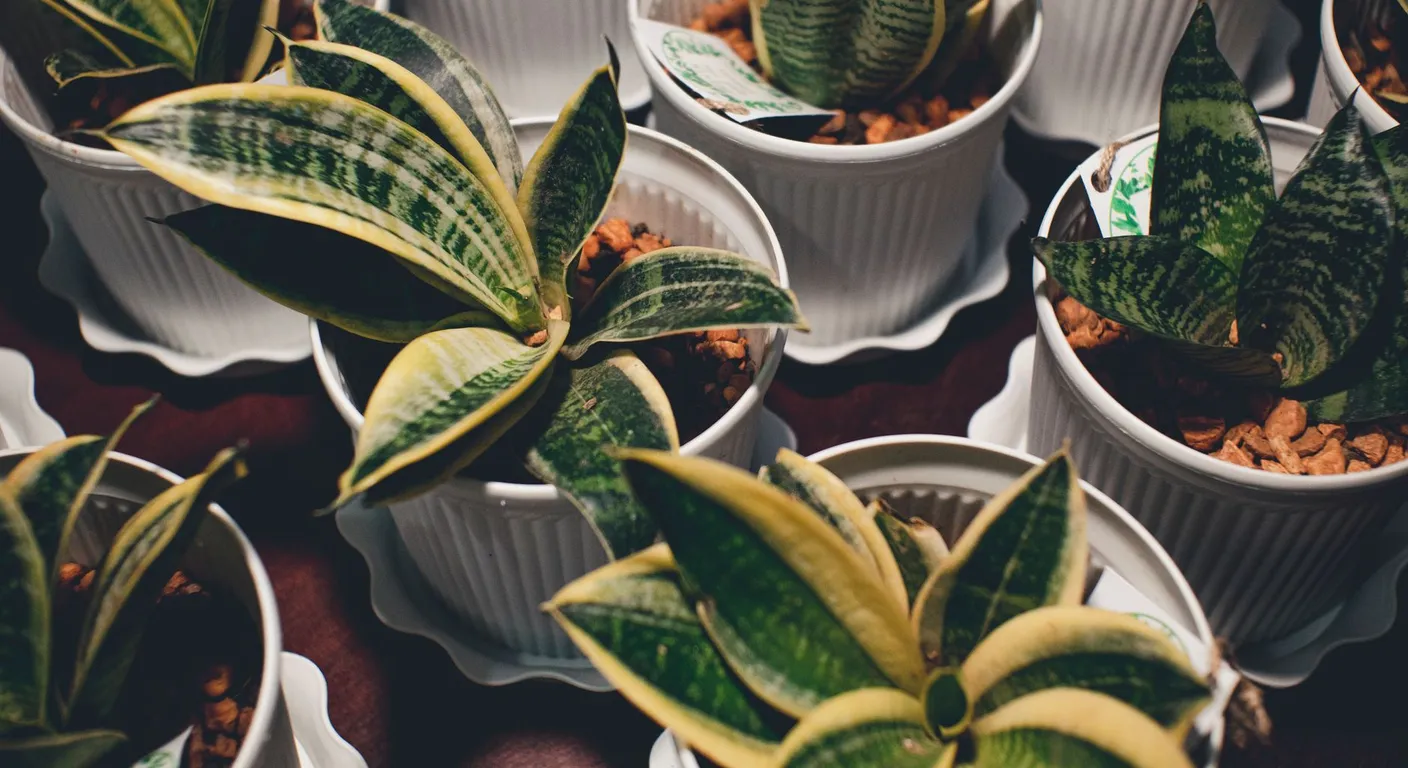
Photo: Nothing Ahead / Pexels
Creating a green atmosphere in homes with north-facing windows, views opening to narrow courtyards, or under the shadow of tall buildings is not impossible. In nature, many plant species that evolved on dense forest floors under the canopy of giant trees can continue to develop even at extremely low light levels. Even if sunlight is insufficient in your living space, you can bring aesthetic appeal and freshness to your rooms with the right choice of species and suitable care strategies.
The key to success in indoor gardening lies in understanding the light conditions of a plant's natural habitat. In low-light environments, the rate of photosynthesis slows down, directly affecting the plant's water and nutrient consumption. With proper watering discipline and appropriate soil mixtures, it is possible to transform dark corners into vibrant green spots.
The Biology of Plants Adapting to Low-Light Conditions
Plants capable of living in low light have specialized their chloroplast structures and leaf surfaces over evolutionary processes to maximize efficiency in the shade. The leaves of these plants are generally darker green because they contain higher proportions of the chlorophyll-b pigment. Chlorophyll-b is extremely effective at capturing weak or filtered light wavelengths.
If you are considering designing a more comprehensive growing space in your home, you can also explore the concept of growing vegetables at home with smart garden systems, which leverage technological features, and expand your plant variety using artificial spectrum lights. However, for a natural and effortless greenery, turning directly to species adapted to low light is the most practical way.
The 7 Most Resilient Houseplants for Low-Light Homes
1. Snake Plant (Sansevieria trifasciata)
The Snake Plant is one of the most renowned indoor plants for its resilience. Thanks to its dark green, fleshy, and upright leaves, it efficiently gathers even tiny amounts of light. Able to survive without water for weeks, this plant is remarkably tolerant of neglect. Because it releases oxygen at night, it is particularly ideal for bedrooms and low-lit hallways.
2. ZZ Plant (Zamioculcas zamiifolia)
Drawing attention with its glossy leaves that look almost polished, the ZZ Plant resembles an artificial plant. Thanks to its tuberous root structure, it stores large amounts of water and nutrients. It can thrive for years without losing its shape, even in deep shade far away from windows and completely out of direct sunlight. As long as overwatering is avoided, it is a virtually indestructible species.
3. Peace Lily (Spathiphyllum)
With its broad, dark green leaves and elegant white flowers, the Peace Lily is one of the rare indoor plants that can bloom even under low-light conditions. It can grow even under artificial fluorescent light. When it needs water, it clearly signals this by drooping its leaves; a few hours after being watered, it quickly recovers its upright posture.
4. Pothos (Epipremnum aureum)
Trailing in a vine format, Pothos creates a wonderful decorative effect when allowed to cascade down from shelf edges or hanging pots. While variegated leaf types are more pronounced in brighter light, solid green variations continue growing without dropping leaves even in near-pitch darkness. Its ability to root easily in water makes propagation extremely simple.
5. Cast Iron Plant (Aspidistra elatior)
Known in English literature as the Cast Iron Plant, Aspidistra well deserves this title with its resistance to harsh conditions and deep shade. This slow-growing species retains its green leaf texture even in dusty, drafty rooms with extremely low light levels.
6. Chinese Evergreen (Aglaonema)
Boasting various pattern and color varieties, Aglaonema is an excellent choice for those who love patterned foliage but lack sufficient sunlight at home. Dark green and silver-patterned variations are more shade-tolerant than pink or reddish types. Thanks to its slow growth rate, it does not require frequent repotting.
7. Spider Plant (Chlorophytum comosum)
Featuring striped leaf structures and small spiderettes emerging from its edges, the Spider Plant is among the most adaptable species. It grows seamlessly in indirect and weak light. Also quite effective at improving air quality, this plant can comfortably be placed in humid and low-lit areas like bathrooms or kitchens.
Need Comparison Table for Low-Light Plants
| Plant Species | Light Tolerance | Watering Frequency | Growth Rate | Suitability for Beginners |
|---|---|---|---|---|
| Snake Plant | Full Shade / Partial Shade | When soil completely dries (3-4 weeks) | Slow | Excellent |
| ZZ Plant | Full Shade / Weak Light | When soil completely dries (3-4 weeks) | Slow - Medium | Excellent |
| Peace Lily | Partial Shade / Artificial Light | When soil surface dries (1 week) | Medium | Very Good |
| Pothos | Partial Shade / Indirect Light | When top 3 cm of soil dries (1-2 weeks) | Fast | Excellent |
| Cast Iron Plant | Full Shade | When soil is near drying (2-3 weeks) | Very Slow | Excellent |
| Chinese Evergreen | Partial Shade | When top soil dries (1-2 weeks) | Slow | Good |
| Spider Plant | Indirect Light / Partial Shade | When soil loses moisture (1 week) | Medium - Fast | Excellent |
Key Tips for Plant Care in Dark Environments
The biggest mistake made when caring for plants in low-light spaces is watering them as frequently as those in bright locations. When light decreases, a plant's metabolism slows down and roots absorb water much slower. Potting soil staying wet for long periods is the primary cause of root rot and fungal diseases.
- Soil Dryness Check: Insert your finger 3 to 4 centimeters into the soil before watering. If the soil is still moist, postpone watering.
- Drainage Holes: There must be holes at the base of the pot allowing excess water to drain out.
- Pot Material Selection: While plastic pots retain moisture, terracotta or traditional handmade ceramic pots, known for their porous structure, allow the soil to breathe, reducing the risk of root rot.
- Leaf Cleaning: In low-light homes, dust accumulating on leaves reduces the plant's already limited light absorption capacity. Regularly wiping the leaves with a damp cloth directly boosts photosynthesis capacity.
While creating a quiet and peaceful home environment, you can maximize indoor comfort by combining the sense of tranquility green plants provide with ways to protect against urban noise.
How to Correctly Read Light Levels in Your Home
Understanding whether a corner of your home is "low-lit" or "completely dark" is crucial. No living green plant can survive indefinitely in a pitch-black room with zero light (such as a windowless, closed pantry). The shade that plants require refers to filtered light coming through north-facing windows or areas 2 to 3 meters away from a window.
The most prominent sign indicating your plant is not receiving enough light is etiolation—that is, stems and branches stretching abnormally toward light and leaf spacing widening. If your plant has completely stopped producing new leaves, or if new leaves emerge very small and pale, you may need to move it slightly closer to a window.
References
Frequently Asked Questions
Can live plants grow in a windowless bathroom?
Live plants cannot survive for long in completely windowless bathrooms with no natural or artificial light source. However, they can be maintained if you occasionally use artificial grow lights or rotate them weekly into a room with adequate light.
How often should low-light plants be watered?
Since soil dries slowly in shaded environments, watering every 2 to 4 weeks is generally sufficient. Always ensure the soil has dried thoroughly before watering again.
Should shade-loving plants be given liquid fertilizer?
Because plants growing in low light have a slower metabolism, their fertilizer needs are low. Applying liquid fertilizer at half the normal dosage only during spring and summer is sufficient.
How can you tell if a plant is suffering from insufficient light?
Stems stretching excessively toward the light in a leggy manner, fading leaf colors, and a complete halt in new leaf growth are the primary signs of light deficiency.
This content was researched and prepared by the İlgi Alanları editorial team and reviewed for accuracy and readability before publication. Information on health, finance and investment topics is general in nature and does not replace professional advice.