Layout and Lighting Tips for a More Peaceful Bedroom
Discover practical organization and lighting strategies to transform your bedroom into a personal sanctuary that rests your mind and promotes quality sleep.
Bedrooms, where we leave behind all the fatigue of the day, are not just places where we sleep, but personal sanctuaries where our minds and bodies recharge. However, cluttered clothes, insufficient or overly bright lights, and mismatched furniture layouts can unconsciously raise our stress levels. Getting a quality night's sleep and waking up feeling refreshed are directly tied to the architectural and visual atmosphere of our bedrooms.
In this guide, we will explore step-by-step how to blend interior design principles with our biological rhythm to create a serene, balanced, and peaceful environment in your bedroom.
The Impact of Light on Our Biology and Melatonin Balance
The human body possesses a biological clock known as the circadian rhythm, shaped over thousands of years by the movement of the sun. The hypothalamus region of our brain manages hormone secretion based on the light wavelengths reaching our eyes. Bright white lights with blue wavelengths trigger the hormone cortisol, which helps us kickstart the day, while warm amber tones that emerge after dark stimulate the secretion of melatonin, the sleep hormone.
Using a single powerful ceiling fixture in your bedroom sends a constant message to your brain that it is still daytime. This makes it difficult for your mind to unwind when you get into bed. Therefore, the first rule in your lighting choices is to gradually reduce light intensity and color temperature as the day progresses.
Layered Lighting Guide: Which Light Goes Where?
Proper bedroom lighting does not rely on a single source; instead, it consists of a layered lighting model that serves different functions. To create a peaceful ambiance in the space, you should properly combine three main lighting layers:
- General Lighting (Ambient Light): The primary light source used when entering the room or cleaning. Instead of a single bulb in the center of the ceiling, concealed LED strips that reflect light toward the ceiling or frosted glass pendants should be preferred.
- Task Lighting (Functional Light): The focused light source required for reading in bed or getting ready at a vanity table. Choose adjustable lamps that do not shine directly into your eyes and do not cast harsh shadows.
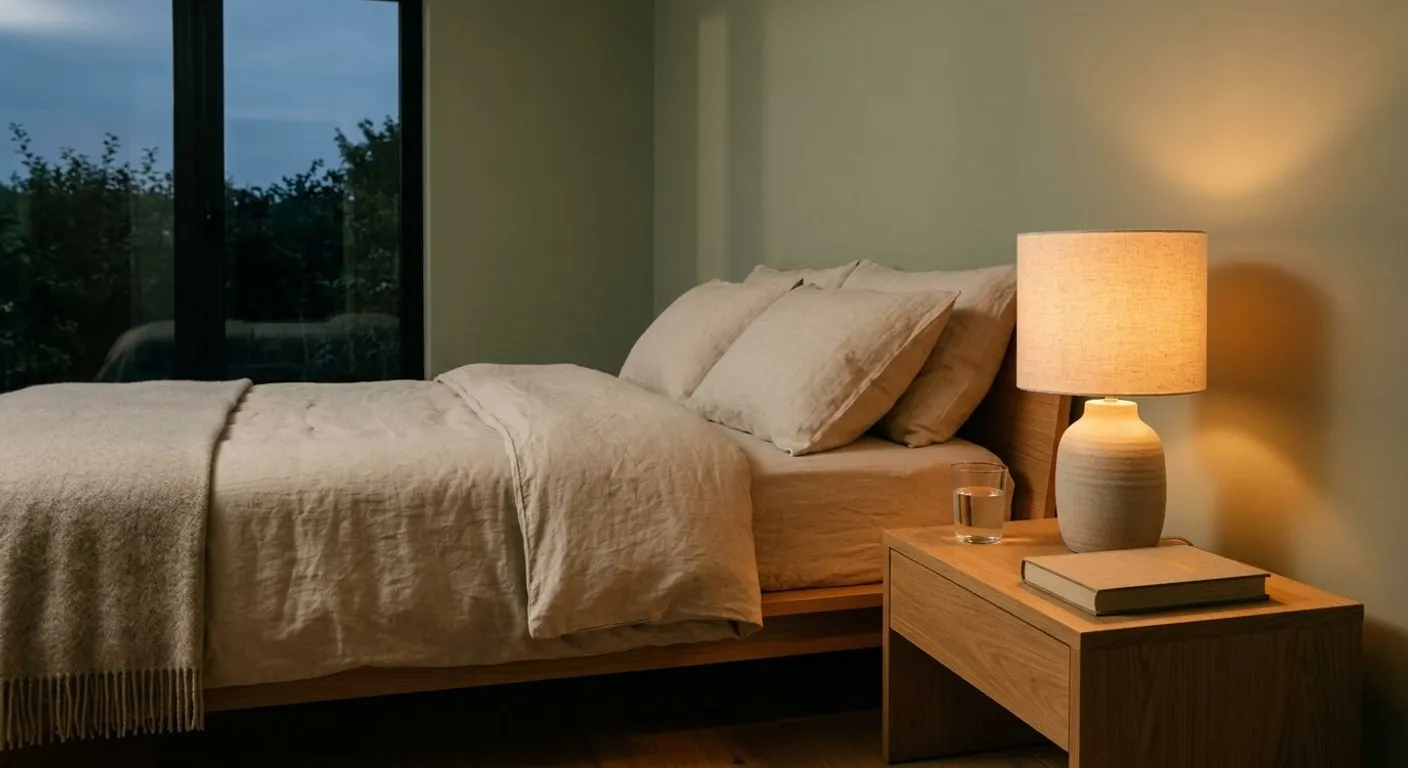
- Accent and Atmosphere Lighting: Relaxing ambient light that adds softness to the corners of the room. Table lamps on nightstands, floor lamps, or under-furniture lighting fall into this category.
When selecting your light sources, you must pay attention to the bulb's Kelvin (K) rating. The ideal color temperatures for bedrooms are summarized below:
| Light Type | Kelvin Value | Effect and Area of Use |
|---|---|---|
| Daylight / Cool White | 4000K - 6500K | Increases focus. Not suitable for evening bedroom use. |
| Neutral White | 3000K - 3500K | Suitable for desk or closet interior lighting. |
| Warm Yellow / Amber | 2200K - 2700K | Supports melatonin secretion. Ideal for bedside lamps and table lamps. |
Eliminate Visual Clutter: Bedroom Layout
Our minds constantly scan the organization of objects around us. Accumulated clothes lying around, exposed cables, and piles on the bed mentally create a perception of 'unfinished business.' This directly and negatively impacts the process of falling asleep.
1. Bed-Centered Placement
The bed is the focal point of the room and should be the main element seen when entering through the door. However, ensuring the bed is not directly aligned with the doorway provides psychological security against the flow of movement from the entrance. Leaving symmetrical space on both sides of the bed reinforces a sense of balance in the room.
2. Simplify the Bedside Area
The top of a nightstand can easily turn into a personal junkyard within hours. Keep only a lamp, a glass of water, and the book you are reading on your nightstand. Use nightstand models with drawers for medications, charging cables, and other small objects.
3. Utilize Hidden Storage Solutions
Out of sight means out of mind. Thanks to under-bed storage boxes, wardrobe organizer baskets, and storage units with doors, you can completely remove off-season items from view. In addition, acoustic insulation solutions you can implement to block outside noise and enhance overall silence will elevate your bedroom's peace to the highest level.
Textile and Color Selection: Tactile Serenity
Just as much as light and organization, the surfaces we touch directly influence our sense of peace. While synthetic fabrics cause sweating and reduce sleep quality, natural textures allow your skin to breathe.
- Cotton and Linen: Choose 100% cotton, linen, or bamboo fibers for your bedding sets. These fabrics are both soft to the touch and provide thermal regulation.
- Earth and Nature Tones: Opt for matte, pastel, and nature-inspired shades for wall paint and textiles. Sage green, stone gray, beige, and muted blues are color palettes that help soothe the heart rate.
- Blackout Curtains: Use two-layer curtain systems to prevent night city lights from leaking into the room. Filter natural light with sheer curtains during the day, and achieve complete darkness with thick blackout curtains at night.
Green Touches: The Calming Power of Plants
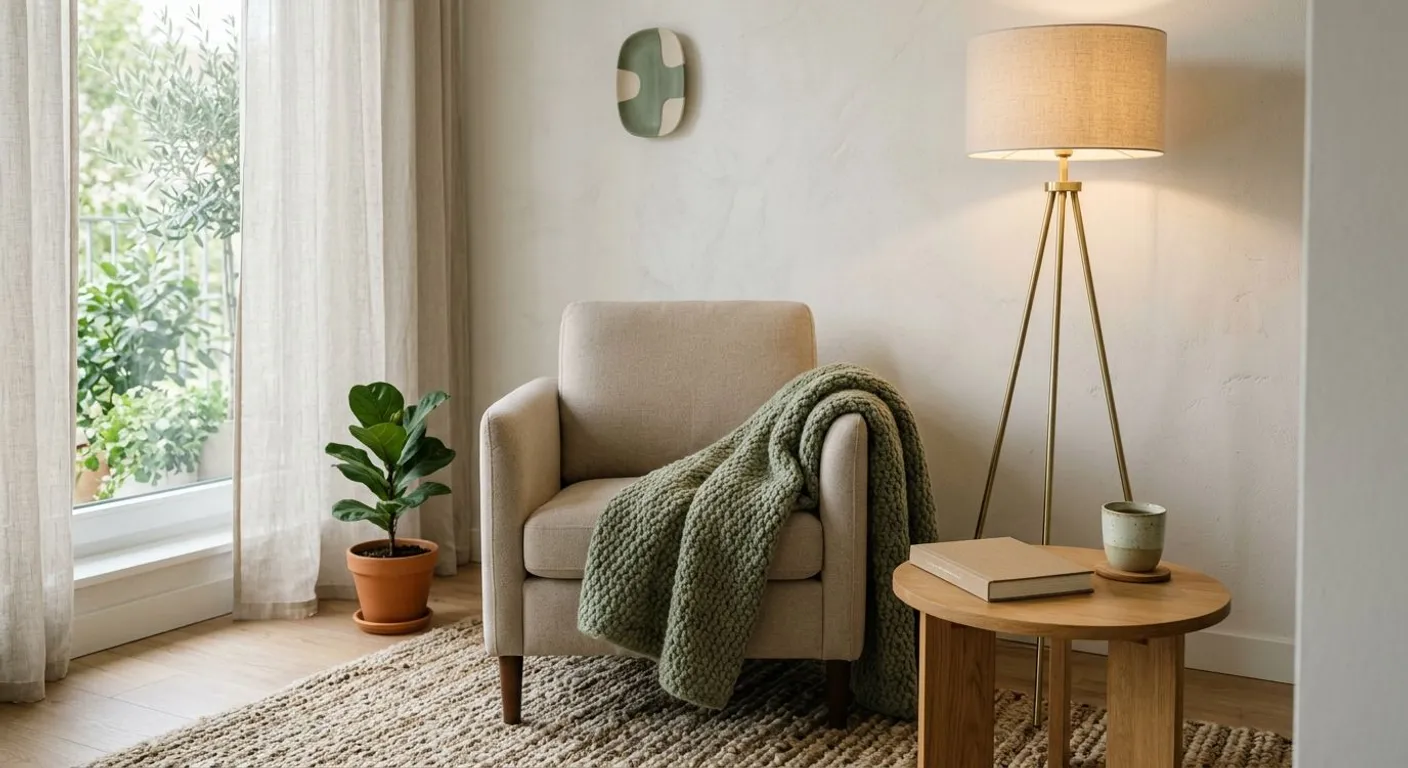
Adding the right plant to your bedroom refreshes the air while bringing vibrant yet calm energy to the space. Plants that release oxygen at night or purify the air are excellent choices for the bedroom. If your room does not receive enough sunlight, you can bring the healing power of nature into your living space by choosing low-light houseplants with a high tolerance for dark environments.
Small Habits to Create Light for Your Evening Routine
Even if you cannot change your lighting fixtures, you can practice these practical steps in the evening to prepare for sleep:
- Turn Off Overhead Lights 1 Hour Before Bed: Keep only table lamps or floor lamps that sit below eye level turned on.
- Limit Screen Lights: Blue light emitted from phones and televisions can completely stall melatonin production. You can use blue light filtering glasses or move devices outside the bedroom.
- Use Dimmers (Adjustable Switches): Install dimmers on your existing ceiling fixtures to manually and gradually decrease light intensity.
Resources
Frequently Asked Questions
What is the ideal bulb color temperature (Kelvin) for a bedroom?
Warm amber and yellow lights between 2200K and 2700K are ideal for the bedroom during resting and pre-sleep hours.
How can you achieve a spacious layout in a small bedroom?
Use hidden storage spaces like under-bed storage and lidded boxes, keep the top of nightstands clear, and opt for light-colored textiles.
Is using overhead lighting in the bedroom harmful?
Bright overhead lights shining directly into the eyes can suppress melatonin secretion in the evening. Therefore, lower-level lights such as table lamps or floor lamps should be used during evening hours.
Does using blackout curtains really improve sleep quality?
Yes, by blocking outside street lights and vehicle headlights, blackout curtains make it easier for the brain to transition into deep sleep phases.
This content was researched and prepared by the İlgi Alanları editorial team and reviewed for accuracy and readability before publication. Information on health, finance and investment topics is general in nature and does not replace professional advice.