Guide to Choosing Durable Textiles and Upholstery for Boats
Extend your boat's lifespan with the right upholstery and textile choices that brave marine conditions. A marine fabric guide combining UV resistance, waterproofing, and comfort.
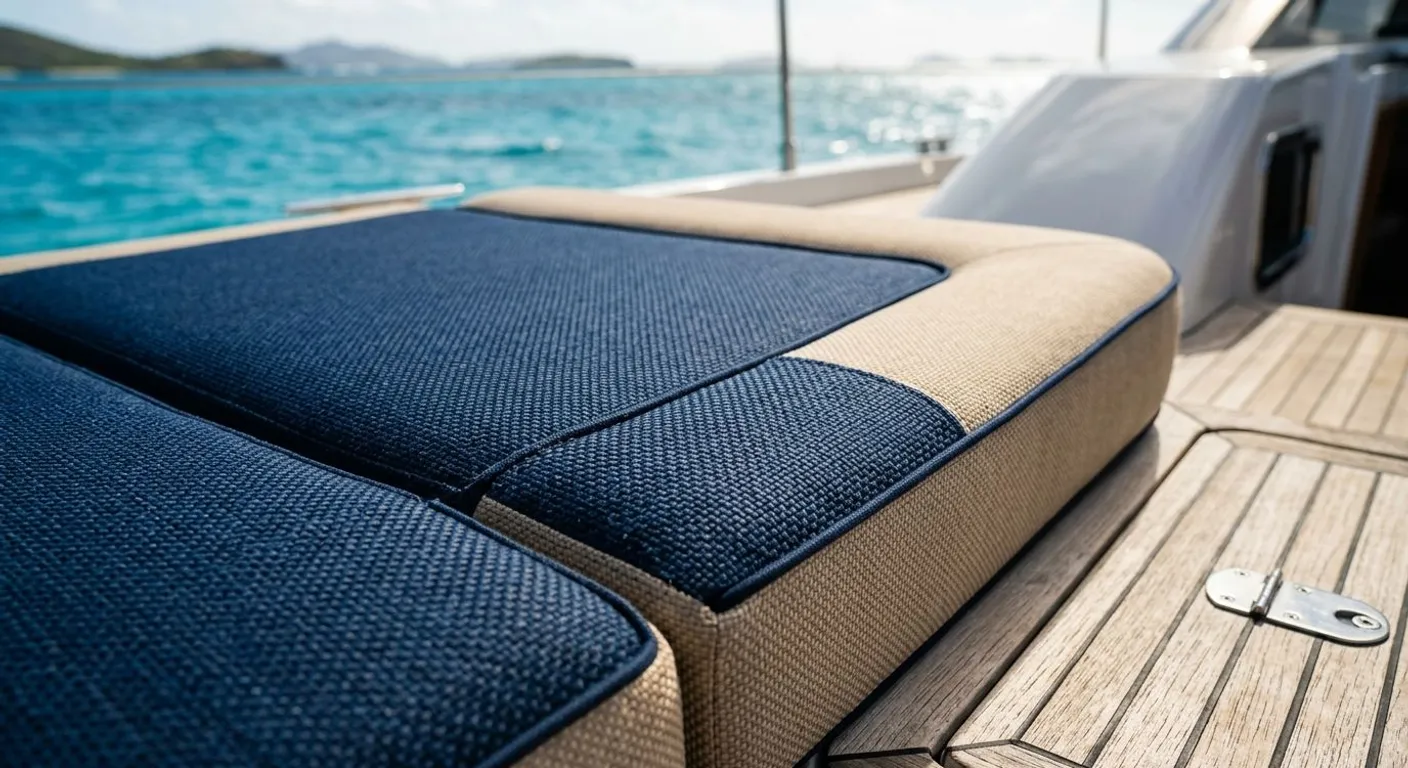
While marine life offers freedom, peace, and breathtaking views, it is an extremely challenging testing ground for the materials used on boats. The harsh ultraviolet (UV) rays of the sun, moisture, salt water spray, and continuous mechanical wear can render standard textiles used in our homes unusable within weeks. For this reason, the fabrics, foams, and sewing materials chosen for boats must possess qualities far different from ordinary upholstery.
When renovating or personalizing a boat, the aesthetic perspective we emphasized in our article Elegance and Practicality at Sea: Interior Boat Decoration Guide is just as important as proper material engineering. Selecting the right fabric and upholstery technologies protects your comfort while preventing high reupholstery costs in the long run.
Harsh Conditions of the Marine Environment and the Importance of Fabric Selection
Understanding the damaging factors that boat upholstery faces is the first step toward making the right textile investment. While the priority for indoor home furniture is softness and tactile feel, the priority in marine textiles is resistance to environmental conditions.
- Ultraviolet (UV) Rays: Sunlight breaks down fabric fibers, causes them to lose elasticity, and leads to rapid color fading. Standard fabrics unprotected from the sun quickly become brittle and tear.
- Moisture and Mold Growth: Under closed hatches or in areas constantly exposed to sea spray, humidity levels can rise above 90%. This creates a perfect environment for mold and bacterial growth between textile fibers.
- Salt Water Deposits: When sea water dries, it leaves behind hard salt crystals. These crystals get between fabric weaves, creating a sandpaper effect that cuts the fibers every time someone sits down or gets up.
- Abrasion and Friction: High friction caused by wet swimwear, salty skin, and tough marine gear on the fabric surface quickly deforms standard upholstery.
Most Popular Marine Upholstery Fabrics
There are key fabric technologies that stand out in the marine upholstery world and are accepted across maritime standards.
Solution-Dyed Acrylic Fabrics
Considered the gold standard of the marine industry, in this type of fabric, color pigments are added to the raw material while the fiber is still in liquid form. That is, the fabric is not dyed on the surface after being spun into thread; the color penetrates down to the core of the fiber. This process is just like a carrot being the same orange color on the inside as on the outside. Popularized by brands like Sunbrella, these fabrics feature exceptional UV resistance, colorfastness, and breathability.
Marine-Grade Vinyl
Marine-grade vinyl is one of the most preferred materials for boat outdoor areas (cockpit, aft deck, sunbathing cushions). Its waterproof structure, ease of cleaning, and stain resistance are among its biggest advantages. A high-quality marine vinyl is coated with antibacterial and antifungal (anti-mold) layers. Furthermore, thanks to its flexible structure, achieving water tightness at seam points is easier.
Marine Polyester and Blended Marine Fabrics
High-strength solution-dyed polyester fabrics are a budget-friendly and durable alternative, especially for biminis, sprayhoods, and covers. Although not as breathable as acrylic, they display incredible resistance to shrinking and stretching.
Comparison of Indoor and Outdoor Upholstery Fabrics
The requirements for a boat's cockpit/aft deck and interior cabin upholstery are completely different. The following table will make it easier for you to decide during the selection process:
| Feature | Solution-Dyed Acrylic | Marine-Grade Vinyl (Faux Leather) | Marine Polyester | Standard Upholstery Fabric |
|---|---|---|---|---|
| Area of Use | Outdoor/Indoor, Canvas, Cushion | Outdoor Seating, Sunbathing | Cover, Bimini, Outdoor Cushion | Cabin Interior Only (Not Recommended) |
| UV Resistance | Excellent (5-10 Years) | Very Good (3-7 Years) | Good (3-5 Years) | Poor (< 1 Year) |
| Waterproofing | Water Repellent (Breathable) | 100% Waterproof | High Water Repellency | Low |
| Mold/Fungus Resistance | High | Very High | Medium | Low |
| Ease of Cleaning | Medium (Bleach Compatible) | Very Easy (Wipeable) | Easy | Difficult |
Unseen Yet Critical Components: Foam and Thread Selection
Upholstery is not just about the outer fabric. No matter how high-quality your fabric is, if the foam and sewing thread beneath it cannot handle marine conditions, your upholstery will fail in a short time.
Fast-Drying Foam (Dry-Fast / Reticulated Foam)
Conventional foam absorbs water like a sponge and holds onto it for days. This causes bad odors, mold, and extra weight. In boat cushions, reticulated foam (open-cell foam) or closed-cell foams should definitely be preferred. Thanks to its porous structure, water drains right through the foam and dries within minutes through air circulation. These foams are indispensable for sunbathing cushions and cockpit seats.
Choosing the right cushion thickness on boats with limited space is also critical for using interior volume efficiently. For practical layout solutions on this topic, check out our article 10 Smart Space-Saving Storage Ideas for Small Boats.
UV-Resistant Marine Sewing Threads
One of the most common failures in boat upholstery is seams coming apart even while the fabric remains intact. Standard cotton or nylon threads rot within a few months under UV rays. Marine upholstery must use PTFE (Teflon)-based threads or V-69 / V-92 bonded polyester marine threads. PTFE threads resist UV and salt water even longer than the lifespan of the fabric itself.
Maintenance Tips to Extend the Life of Boat Upholstery
After selecting the right materials, you can double the lifespan of your upholstery with regular maintenance:
- Freshwater Rinse: Rinse salt crystals off outdoor cushions with fresh water after cruising.
- Avoid Harsh Chemicals: Do not use alcohol, thinners, or harsh detergents on vinyl surfaces. These substances dissolve the protective top layer of vinyl, leading to cracking.
- Winterization Ventilation: When putting the boat into winter storage, place cabin cushions vertically and ensure ventilation using dehumidifiers.
- Annual Protective Water-Repellent Treatment: Apply special UV and water-repellent sprays to acrylic fabrics at the start of each season to refresh their water-repellent layer.
References
Frequently Asked Questions
What is the most durable fabric for outdoor boat cushions?
For outdoor cushions, solution-dyed acrylic fabrics (like Sunbrella) and heavy-duty marine-grade vinyl leather are the most durable options.
What should be done to prevent boat cushions from smelling when they get wet?
Fast-drying reticulated (dry-fast) marine foam should be used inside the cushions, and water drainage mesh should be featured at the bottom of the covers.
How can cracking in marine vinyl fabrics be prevented?
Vinyl surfaces should not be cleaned with harsh chemicals containing alcohol or bleach, and marine vinyl protective creams should be applied periodically.
Why do boat fabric seams unravel so quickly?
Sun UV rays and salt water rot standard sewing threads. To prevent this, UV-protected marine polyester or PTFE teflon thread should be used.
This content was researched and prepared by the İlgi Alanları editorial team and reviewed for accuracy and readability before publication. Information on health, finance and investment topics is general in nature and does not replace professional advice.