Earning Income from Design Template Sales: Turn Your Creativity into Profit
Turning your creative skills into income has become more accessible, especially in the digital age. Selling design templates offers both passive income potential and the opportunity to share your creativity with a wider audience. So, how can one succeed in this field?
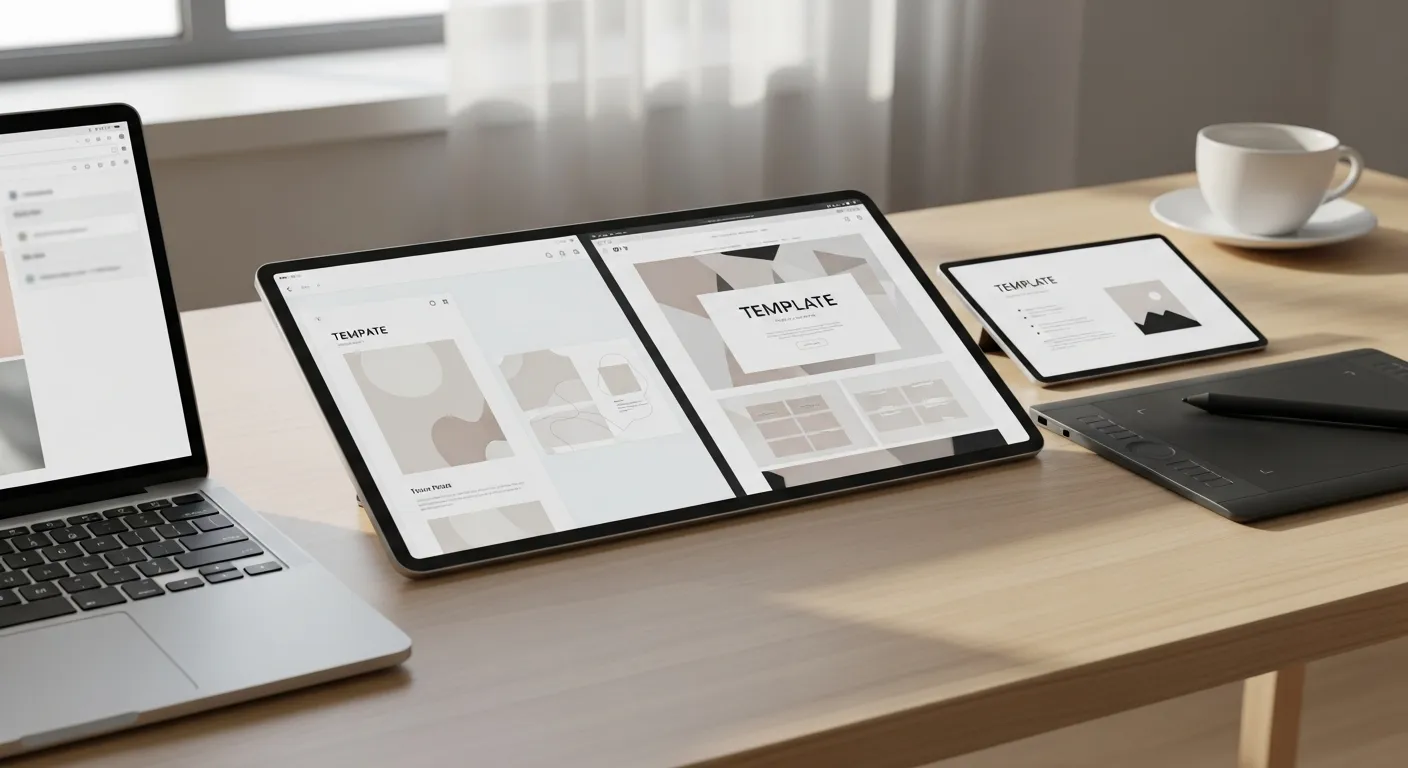
Turning your creative skills into income is more accessible than ever in today's digital economy. Specifically, selling design templates offers both passive income potential and the opportunity to share your creativity with a wider audience. In this article, we delve into how to earn income by selling design templates, which templates are popular, how to get started step-by-step, and the secrets to success. You will discover ways to use your creativity to achieve your financial goals.
Is It Possible to Earn Income by Selling Design Templates?
Yes, absolutely. With the rise of digital products, design templates have gained a significant market share. Businesses, entrepreneurs, and individual users want to access professional-looking designs quickly and cost-effectively. This is where your prepared templates come in. You can sell a template you create once repeatedly, thereby generating a growing passive income stream over time. This aligns with the principles we discussed in our article Digital Product Sales: The Key to Generating Passive Income. When you find the right niche and offer quality products, earning a satisfying income from this field is not difficult at all.
Which Design Templates Are Popular?
There is a wide range in the template market. The most popular and in-demand template types are:
Graphic Design Templates
- Social Media Post and Story Templates: Customizable visuals for platforms like Instagram, Facebook, and Pinterest. They offer time-saving solutions for brands and content creators.
- Presentation Templates: Modern and professional designs for PowerPoint, Keynote, or Google Slides. They have a wide range of uses, from the business world to the education sector.
- CV and Resume Templates: Help job seekers create eye-catching and professional resumes.
- Logo and Brand Identity Kits: Quick and cost-effective branding solutions for small businesses or new ventures.
- Brochure and Flyer Templates: Designs for printed materials intended for events, promotions, or informational purposes.
Website and Digital Product Templates
- WordPress Theme and Page Templates: User-friendly website designs compatible with page builders like Elementor and Divi.
- E-commerce Store Templates: Product display and sales-focused themes for platforms like Shopify and WooCommerce.
- Landing Page Templates: Single-page designs optimized to promote a specific product or service and collect leads.
- E-book Covers and Interior Layout Templates: Professional e-book designs for authors and publishers.
- Digital Planners and Agendas: Interactive digital planners compatible with apps like GoodNotes and Notability.
Video and Audio Templates
- Video Intro/Outro Templates: Opening and closing animations for YouTube channels or other video content.
- Podcast Jingles and Transition Sounds: Professional audio edits for podcast broadcasters.
- Motion Graphics Templates: Customizable motion graphics for programs like After Effects or Premiere Pro.
Where to Start: A Step-by-Step Guide
Here are the fundamental steps you should follow to get into the design template selling business:
-
Niche Identification and Market Research: Decide which area you want to specialize in. Understand your target audience and their needs. Examine your competitors to identify market gaps and popular trends. For example, you can design templates specifically for a certain industry (real estate, weddings, fitness).
-
Developing Design Skills or Choosing Tools: If you lack design skills, improve yourself with online courses or training. You can create your templates using professional software like Adobe Illustrator, Photoshop, InDesign, or more user-friendly tools like Canva and Figma. The important thing is that the tool you choose is suitable for your niche and template type.
-
Creating and Optimizing Templates:
- Ease of Use: Ensure your templates are easily editable. Keep layers organized and include clear instructions.
- Aesthetics and Professionalism: Create visually appealing designs that meet industry standards.
- Variety: Increase the value of your templates by offering different color palettes, font options, or layout alternatives.
- File Formats: Save templates in correct and accessible formats (PSD, AI, EPS, PPTX, PDF, etc.).
-
Pricing Strategies: Accurately determine the value of your templates. Consider competitor prices, the complexity of the template, the time you invested, and your target market. You can evaluate different pricing approaches such as single sales, package deals, or subscription models.
-
Choosing Sales Platforms: Many platforms are available where you can sell your templates. Each has its advantages and disadvantages. You may need to choose between setting up your own website or using existing marketplaces.
Secrets to Becoming a Successful Template Seller
To stand out in this field, simply designing good templates is not enough. You also need to take strategic steps:
- Quality and User Experience: Ensure your templates are high-quality, error-free, and user-friendly. Your customers should be able to easily use and customize your template as they wish.
- SEO and Marketing: Tag and describe your templates with the right keywords. Promote them on social media platforms, write blog posts, or use email marketing. Be active in reaching potential customers. Ranking high in search engines increases your visibility.
- Customer Support: Respond to customer questions and feedback quickly and courteously. Good customer service leads to repeat sales and positive reviews.
- Continuous Updates and New Product Development: Follow market trends and keep your templates updated. Expand your product portfolio by adding new templates. This retains existing customers and attracts new ones.
Copyright and Licensing: What You Need to Know
When it comes to digital products, copyright and licensing are important issues. The copyright for your designs belongs to you, but when selling your templates, you must clearly state what usage rights you grant to your customers. Generally, there are two main types of licenses:
- Personal Use License: Allows the customer to use the template for their personal projects.
- Commercial Use License: Allows the customer to use the template for commercial projects on behalf of their business or clients. These licenses are typically higher priced.
Clearly and understandably stating your license terms prevents potential misunderstandings in the future. Additionally, ensure you have the commercial usage rights for the fonts, images, or other elements you use in your templates.
Design Templates as a Source of Passive Income
Selling design templates is an ideal method, especially for those aiming to achieve Financial Freedom and Simple Living: Create More Value with Less goals. A template you create with effort once can generate income for years. This allows you to be compensated for your time and effort repeatedly. However, generating passive income initially requires intense effort and strategic planning. Market research, quality product development, effective marketing, and customer support are critically important for the sustainability of this model.
Sales Platform Comparison
You can find the main platforms where you can sell your templates and their features in the table below:
| Feature | Etsy | Creative Market | Your Own Website (Shopify, WooCommerce) | Envato Elements / GraphicRiver |
|---|---|---|---|---|
| Reach / Traffic | Large, ready buyer base | Niche audience, specific to designers | Generated by your own marketing | Large, access with subscription model |
| Commission Rate | 5% + transaction fees | 30%-50% (depending on seller level) | Payment processor fees + platform cost | Up to 50% (GraphicRiver), subscription (Elements) |
| Control | Limited (platform rules) | Moderate (platform rules) | Entirely yours | Limited (platform rules) |
| Ease of Getting Started | Very easy | Easy (application process required) | Moderate (may require technical knowledge) | Moderate (application process required) |
| Customization | Limited store appearance | Limited store appearance | Fully customizable | Limited store appearance |
Each platform has its unique advantages and disadvantages. Initially, you can gain experience by using platforms with an existing audience like Etsy or Creative Market, then establish your own website for full control.
Conclusion
Earning income by selling design templates offers an attractive opportunity for creative individuals. With the right strategies, you can transform this venture from just a side income source into a full-time career or a significant passive income stream. The key is to clearly define your niche, offer high-quality and user-friendly templates, engage in effective marketing, and focus on customer satisfaction. We hope this guide helps you on your journey to turn your creativity into profit.
Frequently Asked Questions
Is it necessary to be a professional designer to sell design templates?
No, it's not necessary to be a professional. You can create quality templates by acquiring basic design skills through user-friendly tools like Canva or online courses.
Which platforms are best for selling design templates?
Etsy and Creative Market are popular platforms with an existing customer base. If you want to build your own brand, you can set up your own website using platforms like Shopify or WooCommerce.
How do I determine the right price for my templates?
Conduct market research, examine competitor prices, and consider the template's complexity and the value it offers. You can set competitive prices initially and adjust them later.
How much income can I earn from selling design templates?
Income potential varies greatly depending on your niche, the quality of your templates, your marketing efforts, and your choice of platform. Successful sellers can earn thousands of dollars a month, while beginners start with more modest incomes.
Should I pay attention to copyrights when selling my templates?
Yes, absolutely. Ensure you have the commercial usage rights for the fonts, images, and other elements you use. Clearly specify the types of licenses you offer to your customers (personal or commercial).
This content was researched and prepared by the İlgi Alanları editorial team and reviewed for accuracy and readability before publication. Information on health, finance and investment topics is general in nature and does not replace professional advice.