Digital Product Sales: The Key to Creating Passive Income
Digital product sales offer a powerful opportunity for those seeking passive income, thanks to low startup costs and high scalability potential. Discover ways to turn your creativity into revenue in this guide.
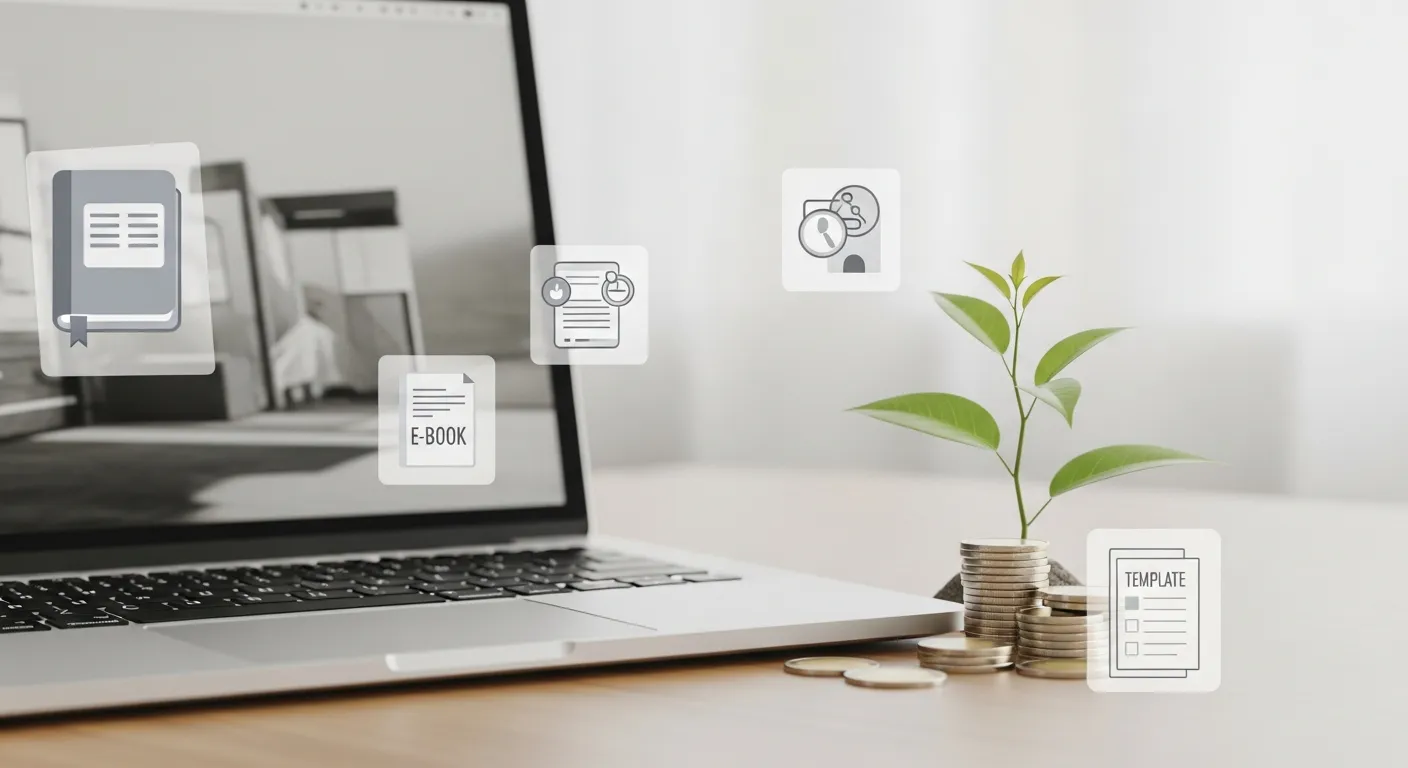
In the pursuit of financial independence, passive income streams are of great importance. Among these sources, digital product sales stand out, particularly with their low startup costs and unlimited scalability potential. Selling digital products you create using your own knowledge, skills, and creativity online can provide an income stream independent of time and place.
What is a Digital Product and Why Is It Ideal for Passive Income?
Digital products are non-physical items created and distributed electronically. Once produced, they can be sold repeatedly without the inventory, storage, or shipping costs associated with physical products. These characteristics make them highly attractive for generating passive income.
The main reasons why digital products are ideal for passive income are:
- Low Startup Costs: Typically, a computer, internet connection, and relevant software are sufficient. There are no production, raw material, or storage costs like with physical products.
- High Scalability: Once you create a product, you can theoretically sell it to millions of people. As sales volume increases, your costs remain unchanged, while your profit margin rises.
- Global Market Access: Thanks to the internet, you can reach customers worldwide with your products.
- Flexibility: You can create products at your own pace, update them whenever you want, and launch them into the market.
- Continuous Income Potential: Once a product is created, it can continue to generate income for extended periods without requiring constant effort.
Digital Product Ideas: Turn Your Creativity into Income
The world of digital products is vast and holds an opportunity for almost every interest or skill. Here are popular digital product categories and examples:
- Educational Materials:
- E-books: Fiction, non-fiction (guides, how-to books), recipe books.
- Online Courses: Courses teaching a skill (photography, coding, playing an instrument), personal development, or in-depth studies of a topic.
- Templates: CV templates, business plan templates, social media post templates, budget spreadsheets, digital planners and organizers.
- Worksheets/Workbooks: Materials designed to reinforce learning or a task.
- Design and Media:
- Stock Photos and Videos: High-quality visuals for specific niches (travel, food, business).
- Graphics and Icon Sets: Graphics designed for websites, presentations, or social media.
- Fonts: Designing and selling unique typefaces.
- Music and Sound Effects: Royalty-free music tracks or sound effects for video content creators or game developers.
- Digital Art: Wallpapers, digital drawings, NFTs.
- Software and Tools:
- Mobile App Templates: Code packages that enable developers to get a quick start.
- Website Plugins/Themes: Custom plugins or themes for platforms like WordPress.
- Small Software/Automation Tools: Simple programs that solve a specific problem or automate a task.
- Consulting and Service Templates:
- Legal Documents: Contract templates, privacy policy templates.
- Business Plan Templates: Ready-made business plan outlines for entrepreneurs.
The important thing is to create value in an area where you have expertise or passion. Understanding what people need through market research increases your chances of success.
Digital Product Creation Process: A Step-by-Step Guide
Creating and selling a digital product requires following specific steps. Here are the fundamental stages of this process:
Step 1: Market Research and Niche Definition
The foundation of a successful digital product is laid with thorough market research and niche definition. It's crucial to understand where there's a gap in the market, what problems people are looking to solve, or what information they need. Conduct competitor analysis to identify the strengths and weaknesses of existing products. Gather information about your target audience's demographics, interests, and online habits. This will enable you to develop a product idea that is truly in demand and creates value.
Step 2: Product Development
Once your idea is defined, it's time to create your product. Focusing on quality at this stage is vital. Your product must deliver the value you promise and offer a seamless user experience. For example, if you're writing an e-book, the content should be informative and fluent; if you're designing a course, the lessons should be clear, interactive, and well-structured. If necessary, use professional design tools (graphic design software, video editing software) to make your product aesthetically appealing.
Step 3: Pricing Strategies
When pricing your digital product, consider several factors:
- Value-Based Pricing: Base your price on the benefit and value your product provides to the customer.
- Competitor Analysis: Examine the price ranges of similar products in the market.
- Tiered Pricing: Create different price points by offering various feature sets or support levels.
- Promotional Pricing: Offer discounted prices during launch periods or special campaigns to generate interest.
Pricing is a crucial part of your sales strategy. While excessively low pricing can devalue your product, excessively high pricing can lead to customer loss.
Step 4: Marketing and Promotion
Even the best digital product won't be noticed without the right marketing strategy. You can use various channels to reach your target audience:
- Content Marketing: Create value and showcase your expertise on topics related to your product through blog posts, videos, or podcasts.
- Social Media Marketing: Promote your product and share engaging content on platforms where your target audience is active.
- Email Marketing: Collect potential customers' email addresses and send them special offers, updates, and relevant content.
- SEO (Search Engine Optimization): Optimize your website or product page to rank high for keywords related to your product.
- Collaborations: Partner with influencers or other content creators to reach a wider audience.
Step 5: Choosing Sales Platforms
Various platforms are available for selling your digital products. Your choice may vary depending on your product type and technical knowledge:
- Your Own Website: Provides full control and maximum profit margin. You can set up your own e-commerce site with solutions like WordPress + WooCommerce.
- Digital Marketplaces: Platforms like Etsy (for design-focused products), Gumroad (general digital products), Creative Market (design assets), Envato Market (templates, plugins) offer access to a broad customer base, but may charge commission fees.
- Online Course Platforms: Platforms like Teachable, Thinkific, and Kajabi are specifically designed for creating, hosting, and selling online courses.
- E-book Platforms: Platforms like Amazon Kindle Direct Publishing (KDP) allow you to reach a wide readership with your e-books.
Each platform has its own advantages and disadvantages. It's important to choose the one that best suits your business model and goals.
Keys to Becoming a Successful Digital Product Seller
When selling digital products with the goal of passive income, it's essential to adhere to some fundamental principles for long-term success:
- Focus on Quality: Ensure your products are high-quality and value-driven. Satisfied customers are the source of repeat sales and positive reviews.
- Provide Customer Support: Respond to questions quickly and effectively. Good customer service builds brand loyalty.
- Continuous Updates and Improvements: Keep your products up-to-date, evaluate feedback, and make improvements. This ensures your product remains current and competitive in the market.
- Build a Community: Interact with your customers, offer them exclusive content or discounts. A strong community naturally contributes to the promotion of your products.
Differences Between Digital Product Sales and Traditional E-commerce
There are significant differences between digital product sales and traditional e-commerce, which involves selling physical products. Understanding these differences will guide you in choosing your business model:
| Feature | Digital Product Sales | Traditional E-commerce (Physical Product) |
|---|---|---|
| Startup Cost | Low (Software, hosting, marketing) | Medium-High (Production, inventory, storage, shipping) |
| Inventory | None (Unlimited copies can be produced) | Yes (Requires stock management, storage space) |
| Shipping/Delivery | Instant electronic delivery | Physical shipping, delivery process, shipping fees |
| Scalability | High (Costs do not change with sales volume) | Limited (Depends on production/storage capacity) |
| Refunds | Challenging (Refund process complex as content can be copied) | Easier (Product can be returned) |
| Profit Margin | Generally high (Low production cost) | Medium (Includes production, storage, shipping costs) |
| Updates | Easy (Can be updated instantly and delivered to customers) | Difficult (New product production/recalling old products) |
| Time Commitment | Minimal after product creation | Continuous stock tracking, order management, shipping |
Digital product sales represent one of the most accessible passive income models offered by the modern world, especially for individuals aiming for financial independence and wishing to leverage their creative assets. With the right strategies and quality products, it's possible to achieve sustainable success in this field. Remember, as with any passive income model, some initial effort and investment are required; however, you can reap the rewards in the long run.
Frequently Asked Questions
Which platforms can I use for digital product sales?
You can sell your digital products on your own website (with WooCommerce), general marketplaces (Gumroad, Etsy), or niche platforms (Teachable for courses, Creative Market for designs).
Do I need technical knowledge to create digital products?
While some products (like software) require technical knowledge, user-friendly tools like Canva or Google Docs are sufficient for e-books, templates, or simple graphics.
How much income can I earn from digital product sales?
Income potential varies greatly depending on product quality, market demand, pricing, and marketing efforts. High-profit margins can be achieved with low startup costs.
How should I market my digital products?
You can promote your products using methods such as content marketing (blog, video), social media, email marketing, SEO, and influencer collaborations.
How does the refund process work for digital products?
Since digital products can be copied, refund processes are more complex than for physical products. Refund policies are generally strict, and the product must be 'unused'.
This content was researched and prepared by the İlgi Alanları editorial team and reviewed for accuracy and readability before publication. Information on health, finance and investment topics is general in nature and does not replace professional advice.