A Guide to Luxury Fountain Pens and Fine Paper Collecting
Rediscover tactile pleasure and aesthetics in an increasingly digital world. Step into the enchanting world of luxury fountain pens and fine paper collecting.
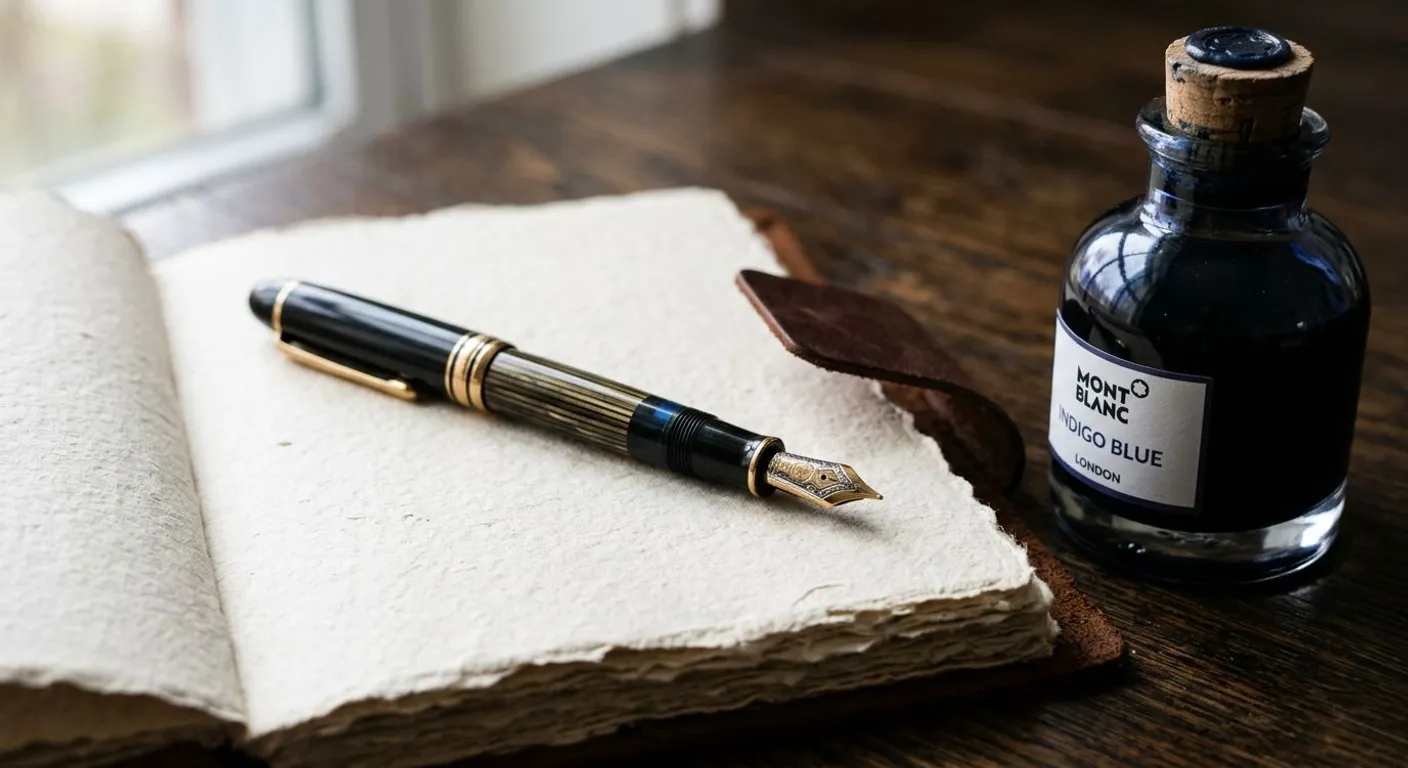
In an era where digital screens and touch surfaces completely surround our lives, the tranquility offered by touching paper and watching ink glide across its surface is priceless. Luxury fountain pens and fine paper collecting are not merely a nostalgic passion; they represent a lifestyle celebrating personal expression, focus, and craftsmanship. The weight of a pen, the subtle whisper as its nib touches paper, and the color transformation of the ink as it dries transform the act of writing from a mundane task into an almost meditative ritual.
The Enchanting World of Fountain Pens: Craftsmanship and Engineering
The fundamental element separating a luxury fountain pen from mass-produced ballpoints is the refined engineering and hand craftsmanship behind it. From barrel material to nib flexibility, every detail directly influences the writing experience. Today, pen barrels crafted from precious materials such as resin, celluloid, ebonite, sterling silver, and even solid gold are not just writing instruments for collectors, but also heirlooms passed down through generations.
Nib Technology and Flexibility
The heart of the pen is undoubtedly its nib. While steel nibs offer a firmer, more consistent line, 14K and 18K gold nibs adapt to your hand's pressure, shaping over time entirely to your writing style. The flexible nature of gold smoothes the ink flow and minimizes hand fatigue during long writing sessions. Nib sizes also vary depending on their intended use:
- Extra Fine (EF) & Fine (F): Ideal for delicate, small handwriting and detailed illustrations.
- Medium (M): The most preferred standard nib for daily use, offering a balance of smoothness and control.
- Broad (B) & Stub: Excellent wide nibs for calligraphy and signatures that showcase shading and sheening ink properties most prominently.
Filling Mechanisms and Ink Feeds
While classic cartridge systems offer convenience, true collectors prefer piston filling mechanisms or eyedropper systems. Converting the pen barrel itself into an ink reservoir, these systems provide greater ink capacity and deliver the ritualistic joy of using bottled ink.
Ink Selection and Chemistry: The Art of Color and Flow
Ink is the unsung hero of the luxury pen experience. The quality of an ink is measured not only by its color, but also by its viscosity, drying time, and behavior on paper. Today, alongside traditional water-based inks, water-resistant pigmented inks and iron gall inks—which historically brought official documents to life—also find their place in collections.
The aesthetic qualities offered by a fine ink include:
- Shading: The subtle variation in tone between where a letter starts and where it ends.
- Sheen: A crystallized metallic reflection that appears over the base color as the ink dries (for example, a copper sheen appearing over navy blue ink).
- Shimmer: The sparkle of fine mica particles suspended within the ink glistening on paper.
Using a high-quality pen when translating the ideas in your mind onto paper is one of the most elegant ways to gain mental clarity. To develop yourself in this regard, check out our guide on daily habits that nurture creativity.
Paper Art and Collecting: Fountain-Pen-Friendly Surfaces
You can own the world's finest fountain pen and ink; however, if you use standard copy paper, your experience may end in disappointment. Ordinary paper absorbs ink like a sponge, leading to issues like feathering and bleed-through.
The core qualities sought in luxury paper collecting are:
- Acid-Free Structure: Archival-quality papers that do not yellow or become brittle over time, retaining their original freshness for decades.
- Cotton Content: Handmade papers crafted from 100% cotton fibers offer a unique texture and durability.
- Special Surface Sizing: A micro-coating that prevents ink from feathering between paper fibers, keeping colors vibrant on the surface.
Japan's world-famous Tomoe River paper, despite its incredibly thin (52-68 gsm) structure, never bleeds through and reflects sheening effects perfectly, making it an essential choice for collectors. French Rhodia and Clairefontaine, on the other hand, offer fast and comfortable writing with their exceptionally smooth surfaces. To record your thoughts and feelings and boost your productivity, you can start a practice with the art of keeping an inspiration journal.
Pen, Ink, and Paper Compatibility Table
The table below is designed to help you select your ideal writing combination:
| Pen Nib Type | Recommended Ink Type | Ideal Paper Type / Weight | Writing Feel and Experience |
|---|---|---|---|
| EF / F (Fine Nib) | Fast-drying, standard water-based inks | 80 - 90 gsm Smooth Coated | Precise, crisp lines; ideal for daily notes |
| M (Medium Nib) | Shading inks | 90 - 120 gsm Acid-Free Cotton Paper | Balanced flow, distinct color tones |
| B / Stub (Broad Nib) | Sheening or Shimmering Inks | 52 - 100 gsm Tomoe River / Coated | Rich color saturation, calligraphic aesthetic |
| Flex (Flexible Nib) | Low-viscosity, fluid inks | 120+ gsm Heavyweight Handmade | Variable line width, high artistic value |
Collection Management, Maintenance, and Storage Conditions
Extending the lifespan of luxury pens and fine papers requires proper maintenance routines. Fountain pens should be cleaned periodically (approximately every 4-6 weeks) using lukewarm distilled water to prevent ink from drying. Ultrasonic cleaning devices can also be used when switching between different ink colors.
Paper collections and special notebooks should be kept away from direct sunlight, high humidity, and extreme temperature fluctuations. If you wish to make eco-friendly and sustainable choices, learning about sustainable art supplies that do not harm nature during production will be beneficial.
Luxury pen and paper collecting is the most aesthetic way to pause time, give physical form to thoughts, and carry the craft tradition of the past into the future. By choosing the right tools, you can start creating your own tangible legacy today.
References
Frequently Asked Questions
What does having a 14K or 18K gold nib on a fountain pen mean?
Gold nibs are more flexible than steel nibs, completely resistant to corrosion, and gradually adapt to the user's writing angle, providing a smoother gliding feel.
How can ink bleed-through on paper be prevented?
It can be prevented by opting for coated, liquid-balanced papers designed for fountain pen use—such as Tomoe River, Rhodia, or 100% cotton acid-free paper—instead of standard copy paper.
How often should a fountain pen be cleaned?
An actively used fountain pen should be flushed with room-temperature distilled water approximately every 4 to 6 weeks or before changing ink colors.
What is archival paper and why is it important?
Archival paper is top-quality paper with an acid-free chemical composition that does not yellow, become brittle, or deteriorate over time, ensuring written texts remain preserved for centuries.
This content was researched and prepared by the İlgi Alanları editorial team and reviewed for accuracy and readability before publication. Information on health, finance and investment topics is general in nature and does not replace professional advice.