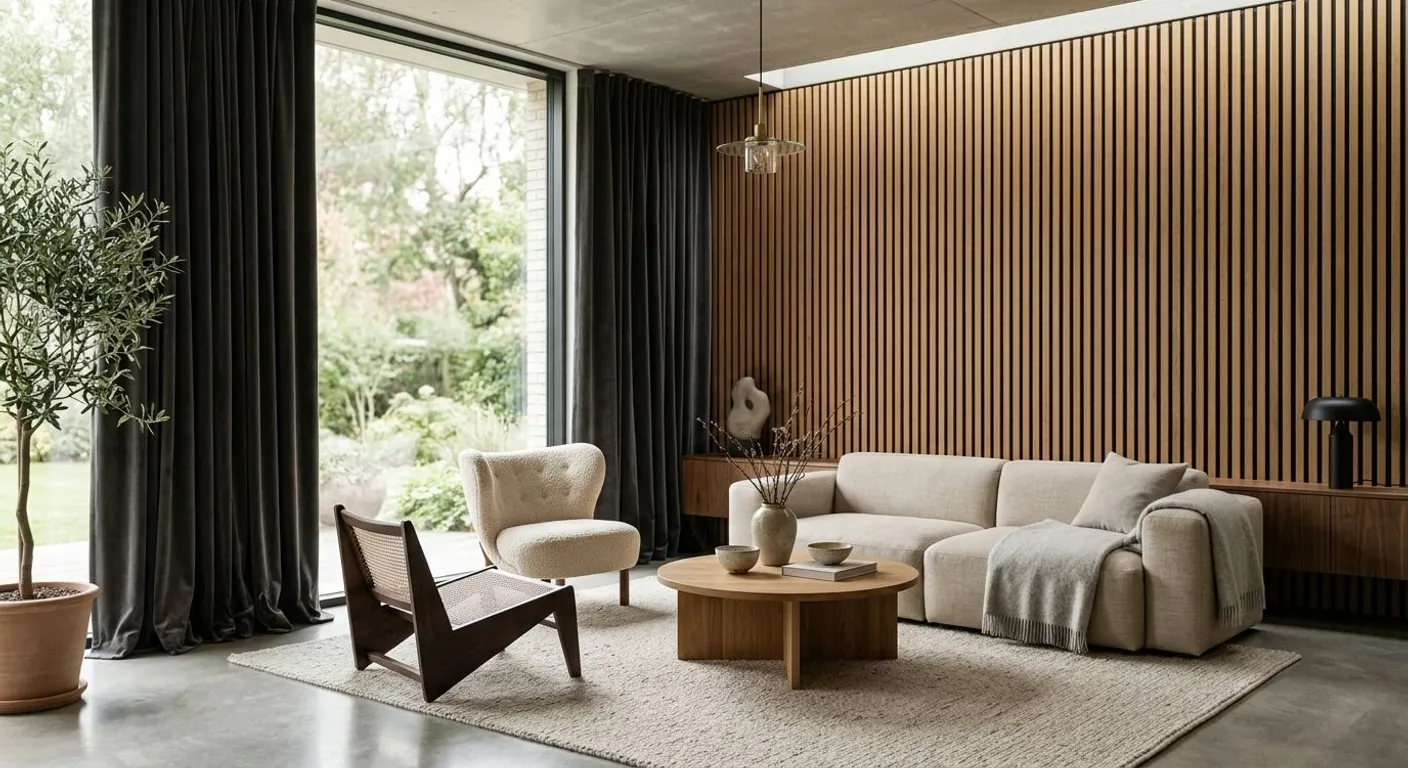
6 Effective Ways to Create a Quiet and Organized Corner at Home
Do you need a dedicated space to step away from daily noise, relax your mind, or work with deep focus? Discover how to craft a peaceful corner in your home with simple, thoughtful touches.
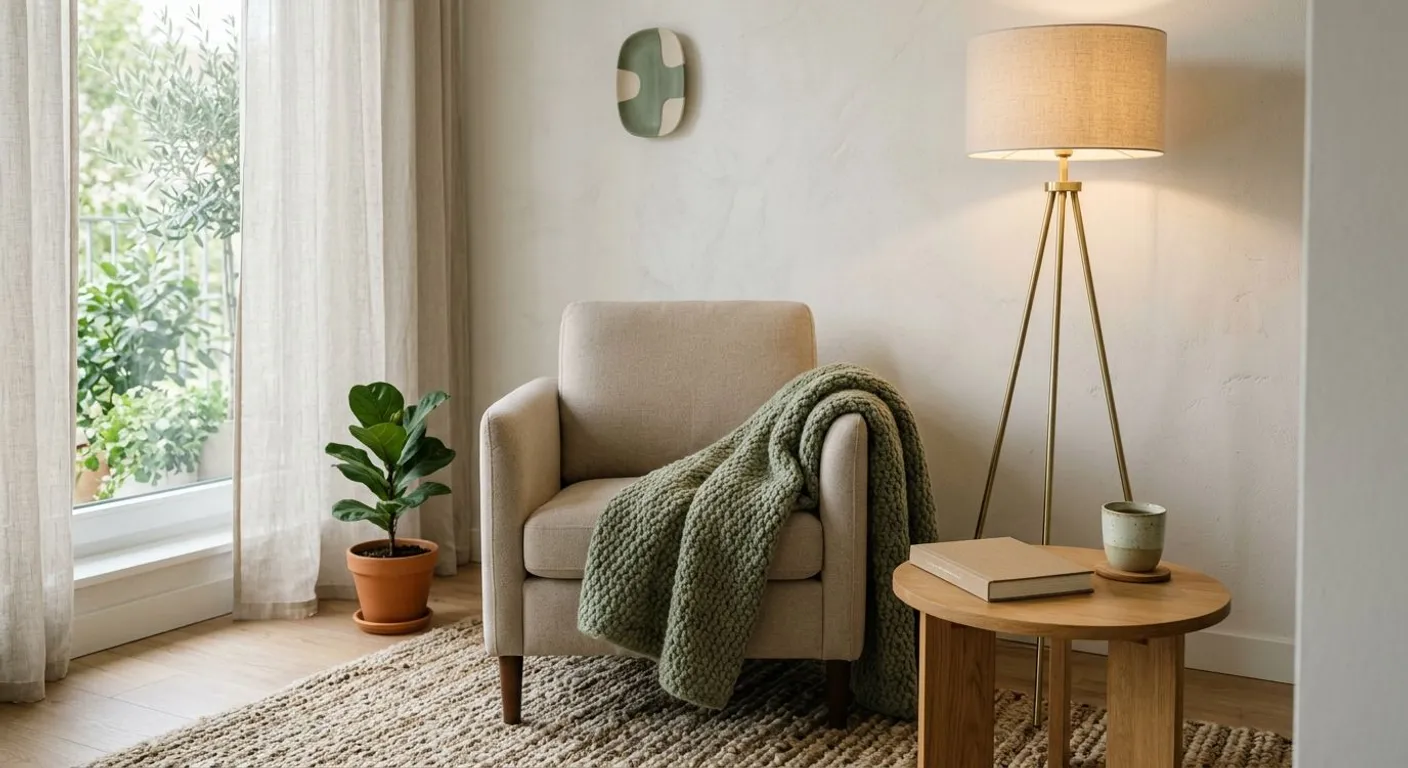
The hustle of daily life, household noise, and endless digital notifications quickly drain our mental energy. Creating a quiet, organized space in your home where you can focus or take a deep breath doesn't require a major architectural renovation. With the right location, smart acoustic adjustments, and sensory-friendly details, you can transform a small footprint of your home into a personal sanctuary.
Why Do We Need a Personal Focus Corner at Home?
In modern life, the boundaries between work, relaxation, and entertainment spaces are increasingly blurred. Especially with the rise of remote work, our minds struggle to identify where to truly rest spatially. Over time, this leads to mental overload and a constant state of hyperarousal.
A dedicated corner at home sends a clear signal to your brain: "When I step into this space, I am focusing or completely unwinding." Designing a space like this is a tangible expression of silence therapy and minimalist living principles. Clearing your mind of unnecessary visual and auditory stimuli directly boosts your cognitive capacity.
1. Identify the Right Space: Make Use of Small Square Footage
You don't need a spare room to establish a quiet and organized area. Inspect underutilized, low-traffic spots across your home's layout:
- In Front of Windows: Tucked-away spots that receive natural light without heavy street noise.
- Living Room Alcoves: Small niches behind a sofa or forgotten nooks between two structural columns.
- Bedroom Corners: Areas that see minimal activity throughout the day and remain quiet.
- Under Stairs or Hallway Ends: Spaces that can be rendered functional with a compact desk and an armchair.
When choosing, make sure the spot is as far as possible from high-noise hubs like the kitchen, kids' room, or TV setup.
2. Acoustic Insulation and Sound Control
Quietness isn't just about blocking external noise; reducing sound reflections (echo) within the room is equally vital. Hard surfaces (tiles, glass, bare walls) reflect sound, creating fatigue-inducing background noise.
To solve this, introduce fabric- and texture-focused elements. You can significantly improve sound quality through practical isolation techniques and home acoustic solutions:
- Cover the Floor: Place a thick, textured rug or carpet in your chosen corner.
- Curtain Selection: Swap thin sheers for dense velvet or linen drapes that possess sound-absorbing properties.
- Desk Dividers: Felt-covered partition boards added behind your desk absorb sound while creating a clear visual boundary.
- Soft Furnishings: An upholstered lounge chair or a couple of plush cushions effectively reduce room flutter echo.
3. Zero Out Visual Noise: Lasting Organization
Visual clutter is one of the primary triggers of mental overwhelm. Seeing loose items or tangled cables everywhere you look creates a subconscious feeling of "unfinished tasks." Therefore, you must apply strict visual discipline to your personal nook.
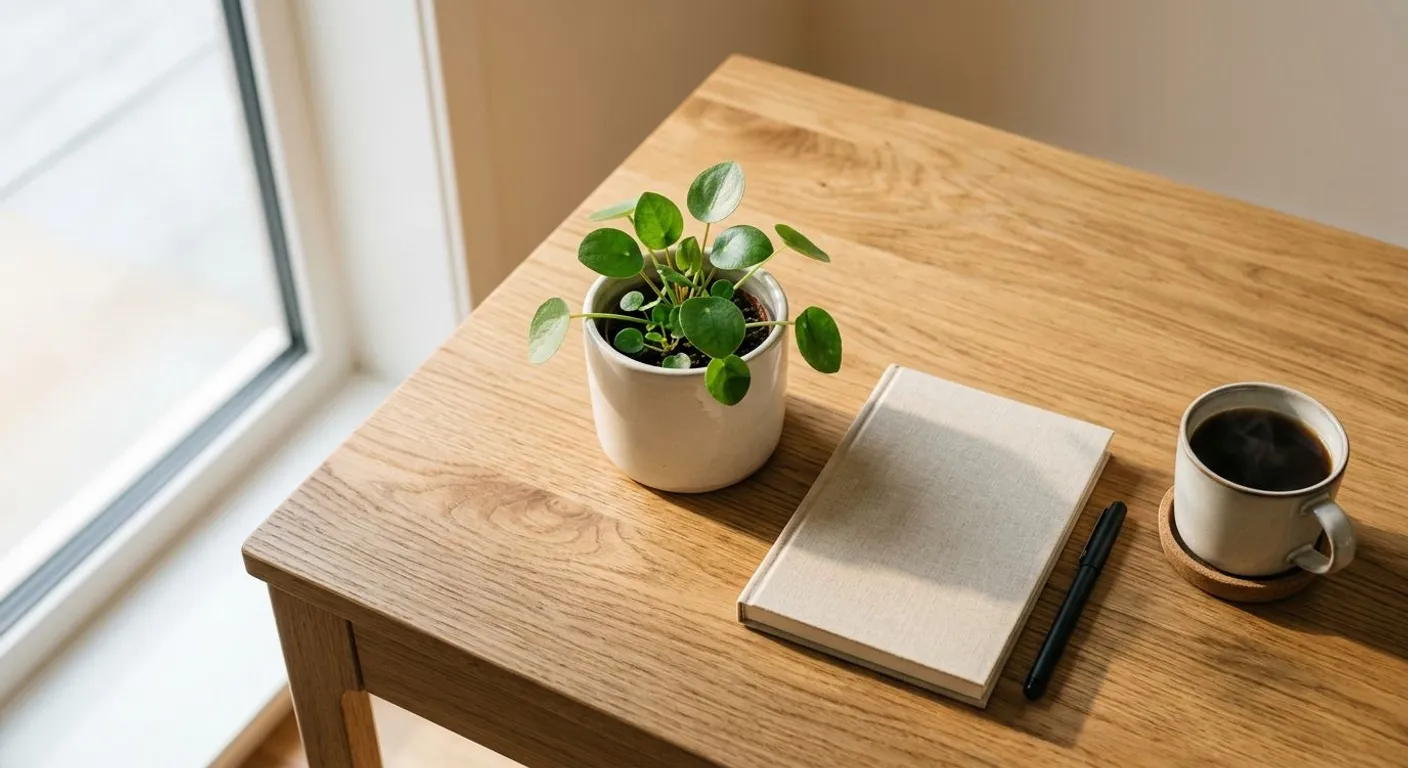
Design a wire-free setup. Hide electrical wiring using cable channels beneath the desk, organizer boxes, and hook-and-loop straps. Choose covered boxes or small drawer units instead of open shelving. Allow only one item on your desk or side table that commands your immediate attention—such as a book, a journal, or a cup of tea.
4. The Right Lighting Strategy
The quality and color of lighting directly influence our circadian rhythm and concentration levels. Harsh, direct white overhead ceiling lights are unsuited for relaxation and focus nooks.
Adopt a layered approach when illuminating your corner:
- Use Warm Light: Ensure your light source has a warm color temperature between 2700K and 3000K (warm yellow to soft daylight).
- Adjustable Task Lamps: For reading or writing, select articulated lamps that direct illumination onto the work surface rather than shining into your eyes.
- Visual Softness: Pick lamp shades made of natural materials like linen or paper that diffuse light gently.
5. Sensory Balance: Colors and Scents
A quiet corner is experienced through all the senses, not just sight and sound. The color palette and aroma of the space are critical finishing touches for overall tranquility.
Turn to restful color families for walls and textiles. Sage green, matte beige, stone gray, and soft earth tones exert a calming effect on the nervous system. Avoid bright, vivid primary colors (like red or orange) in this dedicated retreat.
Your sense of smell reaches the brain's emotional center directly. Consider using a diffuser with natural essential oils or a soy candle. Aromas like rosemary and lemon boost focus, while lavender and cedarwood promote serenity, instantly transforming the atmosphere. For tailored aroma choices, explore the scientific insights in our article on the effects of home fragrances on mood.
Comparison Table: Organization Strategies by Corner Type
The table below summarizes core design parameters based on the intended purpose of your space:
| Focus Area Type | Ideal Location | Acoustic Element | Lighting Preference | Color Palette |
|---|---|---|---|---|
| Reading & Relaxation Corner | Bedroom or living room alcove | Textured rug, armchair, ottoman | Adjustable floor lamp (2700K) | Earth tones, beige |
| Deep Work Corner | Quiet spot with natural light | Felt desk panel, bookshelf | Adjustable desk lamp (3000K) | Sage green, stone gray |
| Meditation & Unwinding | Window side or secluded nook | Floor cushion, heavy drapes | Concealed LED or candle light | Matte white, sand beige |
6. Sustainable Habits: Preserve the Sanctity of the Corner
Building a quiet, organized corner is a physical step; maintaining it is a matter of habit. Adopt two main rules to prevent clutter from creeping into your new sanctuary:
- The 5-Minute Reset Rule: Before walking away, return your mug, pen, or notebook to its proper place. Never use this spot as a temporary dumping ground for miscellaneous items.
- The Boundary Rule: If you designated this area for relaxation, refrain from checking work emails here. If it is a work desk, do not eat meals at it. Keep the connection between the space and its specific activity clear.
This small oasis inside your home will serve as your most effective sanctuary to step away from external chaos and reconnect with yourself.
References
Frequently Asked Questions
How do you create a quiet corner in a very small home?
In compact homes, opt for folding desks, room dividers, or minimalist nooks tucked behind open shelving. Even a simple chair paired with a small rug and noise-canceling headphones can be transformed into a functional retreat.
What is the best lighting color temperature (Kelvin) for a quiet corner?
For relaxation and focus areas, eye-friendly color temperatures between 2700K and 3000K (warm yellow to soft daylight) are ideal.
What is the fastest way to reduce visual clutter?
Gathering exposed desk cables into wire management channels and stowing loose items into covered boxes will instantly eliminate visual noise.
This content was researched and prepared by the İlgi Alanları editorial team and reviewed for accuracy and readability before publication. Information on health, finance and investment topics is general in nature and does not replace professional advice.