Smart Systems and Methods to Reduce Daily Expenses
Small, unnoticed daily expenses can burn huge holes in your budget by the end of the month. Discover smart systems that help you control spending without relying on willpower alone.
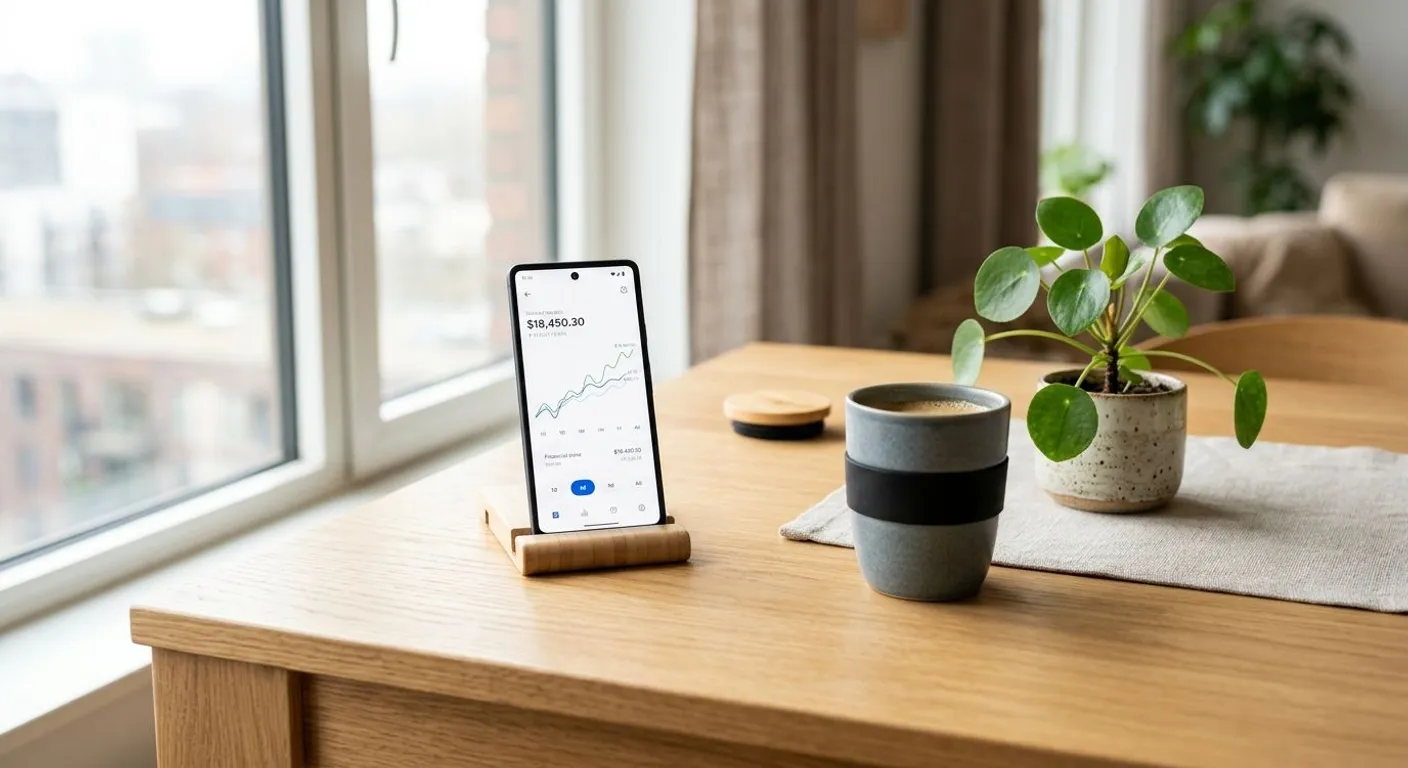
Small, unnoticed daily expenses are the single biggest obstacle preventing you from reaching your long-term financial goals. A morning coffee, forgotten digital subscriptions, or wasted energy at home may seem insignificant individually, but together they add up to a substantial sum. Willpower is a limited resource; trying to restrain yourself at every purchasing decision leads to decision fatigue. Therefore, sustainable savings require automated, smart systems rather than reliance on willpower alone.
System-oriented financial management restructures your spending habits, automatically giving you control over your money. Here are the most effective systems to effortlessly reduce your daily expenses and give your budget some breathing room.
Automated Savings and Budgeting Systems
The most practical way to achieve financial discipline is to direct your money into the right channels before you even have a chance to spend it. Based on the principle of "pay yourself first," this approach goes to work the moment your salary or income hits your account.
Income Allocation Automation
On the day your income hits your account, ensure a predetermined percentage is automatically transferred to an individual pension or investment account. Viewing the remaining balance as your actual spending limit psychologically helps you stick to your budget. In this process, budget management with personal finance apps makes it easier to track your income-expense balance in real time.
Round-Up Accounts and Digital Piggy Banks
Many banks offer features that round up every purchase made with your debit or credit card to the nearest amount (e.g., rounding up to the nearest $1 or $5) and transfer the difference to your savings account. The small change you spend throughout the day without noticing turns into a sizable savings balance by the end of the month.
Lowering Fixed Expenses with Home Automation
Utility bills are among the fixed monthly expenses most open to optimization. By integrating smart technologies into your home, you can minimize energy and water consumption without sacrificing comfort.
- Smart Thermostats: Thermostats that automatically lower the temperature when you are away from home or sleeping provide 15% to 25% savings on heating and electricity bills.
- Timer Plugs: TVs, computers, and chargers left in standby mode are hidden electricity drains. Achieving energy savings with smart plugs and sensors eliminates this unnecessary consumption completely.
- Smart Lighting and Sensors: Motion-sensor lights and low-energy LED bulbs prevent lights from being left on unnecessarily.
Smart Kitchen and Food Management
The kitchen is where the most money is spent and where the most waste occurs. Dining out habits and spoiled groceries silently drain your budget. Establishing a systematic approach in the kitchen prevents these leaks.
Kitchen Inventory and Capsule Menus
Before going grocery shopping, update your fridge and pantry inventory in a digital note app. Create a weekly meal plan (capsule menu) and buy only the necessary ingredients. Arranging items to prioritize foods near their expiration date reduces food waste to zero.
Batch Cooking (Meal Prep) System
Setting aside one or two days a week to cook main dishes in batches and freeze them in portions eliminates the temptation to order takeout on tired weeknights. This habit protects both your health and cuts your food expenses in half.
Digital Subscription and Expense Auditing
In the digital age, subscription fees deducted in small monthly amounts add up to a major budget item. Unwatched streaming platforms, unused gym memberships, and premium app fees should be audited regularly.
- Virtual Card Spending Limits: Link your digital subscriptions to a virtual card with a spending limit instead of your primary card. This automatically blocks any charges that exceed your budget during renewal periods.
- Subscription Tracker Apps: Use tools that track all your active subscriptions and payment due dates. Make it a habit to immediately cancel services you no longer use.
- The 30-Day Rule: Apply a 30-day waiting rule for non-urgent physical or digital purchases in the "want" category. After this period, evaluate whether the desire to purchase still remains.
Comparison of Saving Systems
The table below compares the ease of setup, savings potential, and sustainability levels of different systems you can use to reduce daily expenses:
| Saving System | Ease of Setup | Savings Potential | Sustainability | Primary Focus |
|---|---|---|---|---|
| Automatic Bank Savings | Very Easy | High | Very High | Cash Flow & Investments |
| Smart Home Systems | Medium | Medium - High | High | Energy & Utility Bills |
| Weekly Meal Planning | Medium | High | High | Food & Dining Out |
| Virtual Card & Subscription Limits | Easy | Medium | High | Digital Expenses |
| Manual Budget Tracking | Easy | Low - Medium | Low | Instant Awareness |
The Connection Between Minimalist Living and Financial Freedom
The main purpose of all these systems is to shift from a consumption-focused lifestyle to a needs-focused routine. Simplifying is not just about reducing the number of possessions you own; it's also about directing your financial resources toward areas you truly value. To simplify your living space and spending patterns, you can integrate the principles of financial freedom and simple living into your life.
Financial freedom is less about how much you earn and more about how much of that earnings you retain. Building these smart systems instead of relying on willpower allows you to save money automatically every day without lowering your quality of life.
Frequently Asked Questions
Where should I start when reducing daily expenses?
As a first step, set up an automated savings instruction through your bank account to allocate your income before you spend it. Then, review your bank statements from the last 3 months to identify discretionary spending and forgotten subscription leaks.
Do smart home systems really contribute to the budget?
Yes. In particular, smart thermostats and scheduled smart plugs reduce wasted energy consumption by 15% to 25%, leading to direct savings on electricity and natural gas bills.
What is the 30-Day Rule and how is it applied?
When you feel the urge to buy a non-essential item, instead of buying it immediately, you add it to a wishlist and wait 30 days. If the item is still genuinely necessary after this period, you buy it; otherwise, you remove it from the list.
What is the most effective way to cut down on dining out costs?
Doing weekly meal prep and keeping pre-portioned meals ready in the fridge eliminates the urge to order food delivery when you're tired.
This content was researched and prepared by the İlgi Alanları editorial team and reviewed for accuracy and readability before publication. Information on health, finance and investment topics is general in nature and does not replace professional advice.