Elevate Your Sleep Hygiene with Smart Alarm Systems: Wake Up More Refreshed
Waking up tired in the mornings isn't your destiny. Smart alarm systems help you wake up at the most ideal time by understanding your sleep cycle, allowing you to start your day more energetic and refreshed.
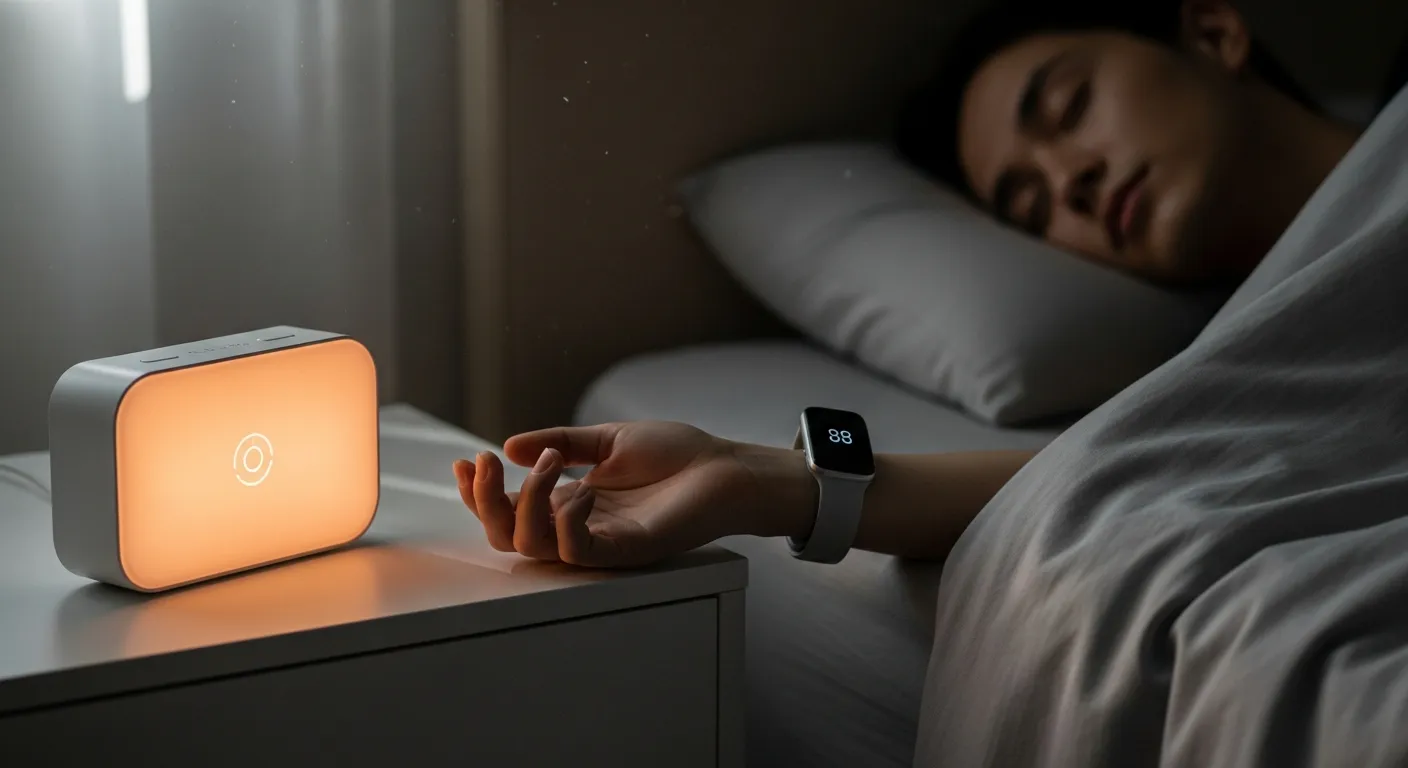
In the fast-paced rhythm of daily life, sufficient and quality sleep is often overlooked. However, sleep quality is one of the cornerstones of physical and mental health. Waking up tired, weak, and with a headache in the mornings not only reduces productivity throughout the day but also negatively impacts mood. Fortunately, technology offers new ways to improve the sleep experience. Smart alarm systems understand your sleep cycle and wake you at the most ideal time, allowing you to start your day more energetic and refreshed.
Smart alarm systems are a powerful tool for transforming your sleep habits and elevating your sleep hygiene. These systems use sleep tracking technologies to analyze your sleep stages and wake you during your light sleep phase rather than deep sleep. This approach minimizes the groggy and disoriented state known as "sleep inertia."
What is Sleep Hygiene and Why is it Important?
Sleep hygiene is the sum of regular and quality sleep habits and environmental factors. This concept encompasses a set of practices that facilitate falling asleep and ensure uninterrupted, restorative sleep. Good sleep hygiene is critical not only for physical rejuvenation but also for cognitive functions, mental health, and the overall immune system.
Sleep hygiene is not limited to just having a dark and quiet bedroom. It also includes:
- Consistent sleep schedule: Going to bed and waking up at the same time on weekdays and weekends.
- Sleep environment: Ensuring the bedroom is cool, dark, and quiet.
- Diet and beverages: Avoiding caffeine, alcohol, and heavy meals close to bedtime.
- Exercise: Regular physical activity improves sleep quality, but avoid intense exercise right before bed.
- Screen time: Staying away from blue light-emitting screens close to bedtime.
Poor sleep hygiene can lead to chronic insomnia, difficulty concentrating, a weakened immune system, and even various health problems in the long term. Therefore, taking sleep hygiene seriously and improving it is key to enhancing your overall quality of life.
The Sleep Cycle and the Importance of Optimal Waking
Human sleep consists of two main stages: REM (Rapid Eye Movement) and NREM (Non-Rapid Eye Movement). NREM sleep is further divided into three different stages:
- NREM 1 (Light Sleep): The initial stage of falling asleep, you can be easily awakened.
- NREM 2 (Lighter Sleep): Heart rate and body temperature decrease, muscles relax. A significant portion of time spent asleep occurs in this stage.
- NREM 3 (Deep Sleep): The most restorative sleep stage. The body repairs itself, and the immune system strengthens. Waking from this stage often leads to grogginess.
Following these NREM stages, REM sleep is the stage where dreams occur and brain activity is high. These cycles repeat several times throughout the night. Each cycle lasts approximately 90 minutes.
Have you ever wondered why you feel so bad when your alarm goes off in the morning? The reason is that the alarm usually wakes you during your deep sleep stage. Waking abruptly from deep sleep leads to what is known as sleep inertia. This condition is characterized by a temporary impairment in alertness, cognitive performance, and mood. This is precisely where smart alarm systems come in.
How Do Smart Alarm Systems Work?
Smart alarm systems use advanced sensors and algorithms to understand your sleep cycle. These systems typically work via a wearable device (such as a smart wristband or smartwatch), a sensor placed in your bed, or a smartphone application. Data collection methods may include:
- Motion sensors (Accelerometers): Detect physical movement during sleep. While you move more in light sleep, movement is minimal in deep sleep.
- Heart rate sensors: Monitor changes in heart rate according to sleep stages.
- Sound analysis: Detects sounds like snoring or sleep talking.
- Breathing tracking: Some advanced systems monitor your breathing patterns.
This collected data is processed by an algorithm to provide information about your sleep stages. The smart alarm, starting, for example, 30 minutes before your set wake-up time, searches for an ideal moment to wake you during your light sleep phase. This allows for a transition close to a natural waking experience, helping you start your day more refreshed and energetic.
Many smart wristband models track not only your sports performance but also your sleep quality. To learn more about this, you can check out our article Smart Wristbands for Nature Walks: Secure Your Route and Health.
Contributions of Smart Alarm Systems to Sleep Hygiene
Smart alarm systems improve your sleep hygiene in various ways:
- Optimal Wake-Up Time: The most significant benefit is waking you during your light sleep phase. This reduces sleep inertia and allows you to start your day more refreshed.
- Sleep Tracking and Data Analysis: Most smart systems record your sleep patterns, time to fall asleep, and durations of deep and light sleep. With this data, you can better understand your sleep habits, identify problematic areas, and make necessary adjustments.
- Personalized Wake-Up Experience: Instead of traditional abrupt audible alarms, smart alarms offer gentler wake-up methods such as gradually increasing sounds, natural light simulation, or subtle vibrations. This allows for a more peaceful start to your day.
- Potential for Improving Sleep Habits: With your sleep data, you can make informed decisions such as adjusting your bedtime or reviewing your evening activities. These personalized feedbacks strengthen your sleep hygiene in the long run.
Traditional Alarms vs. Smart Alarms
Below you can see the key differences between traditional alarms and smart alarm systems:
| Feature | Traditional Alarm Clocks | Smart Alarm Systems |
|---|---|---|
| Wake-Up Mechanism | Rings abruptly at a set time | Tracks sleep cycle, wakes at optimal time during light sleep |
| Sleep Tracking | None | Yes; offers sleep stages, duration, pattern analysis |
| Wake-Up Experience | Jarring, abrupt | Gradual, gentle (sound, light, vibration) |
| Personalization | Limited (tone) | Extensive (sounds, light intensity, wake-up interval) |
| Data Analysis | None | Provides detailed sleep reports and trend analysis |
| Reducing Sleep Inertia | Usually increases it | Significantly reduces it |
| Goal | Simply to wake you up | To ensure a refreshed and energetic awakening, improve sleep quality |
What to Consider When Choosing a Smart Alarm System?
When choosing a smart alarm system, it's important to find one that best suits your needs:
- Sleep Tracking Method: Is a wristband/watch, bed sensor, or phone application more comfortable for you?
- Sensor Accuracy: The reliability of heart rate and movement tracking is particularly critical.
- App Interface: Choose an interface that presents sleep data clearly and user-friendly.
- Wake-Up Features: Do you want just sound, or additional features like light simulation or vibration?
- Battery Life: Battery life is important, especially for wearable devices.
- Price: Choose a model that fits your budget but also meets your expectations.
Other Sleep Hygiene Tips to Support Smart Alarms
Smart alarm systems alone do not work miracles. To holistically improve your sleep hygiene, do not overlook other steps:
- Optimize your bedroom: Create a dark, quiet, and cool environment. Consider thickening curtains, using earplugs, or a sleep mask.
- Reduce screen exposure: Stay away from phone, tablet, and computer screens at least an hour before bedtime. Using blue light filters can also help.
- Establish a relaxing routine: Engage in calming activities before bed, such as a warm shower, reading a book, light stretching, or meditation. Stress management and relaxation are important biohacking practices for overall health. You can also check out our article Vitamin D Supplements: Biohacking Impact on Holistic Health for more on this.
- Block out noise: Use white noise machines or headphones to reduce external noise.
- Relax before bed: You can perform light stretching exercises or massage applications to reduce muscle tension. Devices like High-Frequency Massage Guns: Deep Impact on Muscle Relaxation and Recovery can be supportive in this regard.
Conclusion
Smart alarm systems are a valuable investment for anyone looking to improve sleep quality and start the day more refreshed. By understanding your sleep cycle and waking you at the most opportune time, this technology reduces sleep inertia and fundamentally transforms your wake-up experience. However, remember that for the best results, smart alarms should be used in conjunction with a good sleep hygiene routine. By taking your sleep seriously, you can enhance your quality of life and begin each day with more energy.
References
Frequently Asked Questions
How exactly do smart alarm systems work?
Smart alarm systems collect data such as movement, heart rate, or breathing via sensors, analyze this data with an algorithm to determine your sleep stages, and wake you during your lightest sleep moment within your set interval.
What is the main benefit of using a smart alarm?
The main benefit is that it wakes you from a light sleep phase, not deep sleep, minimizing morning sleep inertia (the feeling of grogginess) and allowing you to start your day more refreshed.
What types of smart alarm systems are available?
Different types of smart alarm systems are available on the market, such as smart wristbands and watches, bed sensors, and smartphone applications. Each uses different tracking methods.
Do smart alarm systems really improve my sleep quality?
Yes, waking up in sync with your sleep cycle can indirectly improve your sleep quality by reducing sleep inertia and providing data about your sleep patterns. However, it should be supported by a good sleep hygiene routine.
What should I consider when choosing a smart alarm?
You should consider factors such as the sleep tracking method, sensor accuracy, user-friendliness of the app interface, available wake-up features (sound, light, vibration), and battery life.
This content was researched and prepared by the İlgi Alanları editorial team and reviewed for accuracy and readability before publication. Information on health, finance and investment topics is general in nature and does not replace professional advice.