Anti-Aging Collagen Supplements: Scientific Facts and the Right Choice
For those looking to mitigate the effects of aging and support a youthful appearance, collagen supplements have become a popular option. But do these supplements really work, and which one is best for you?
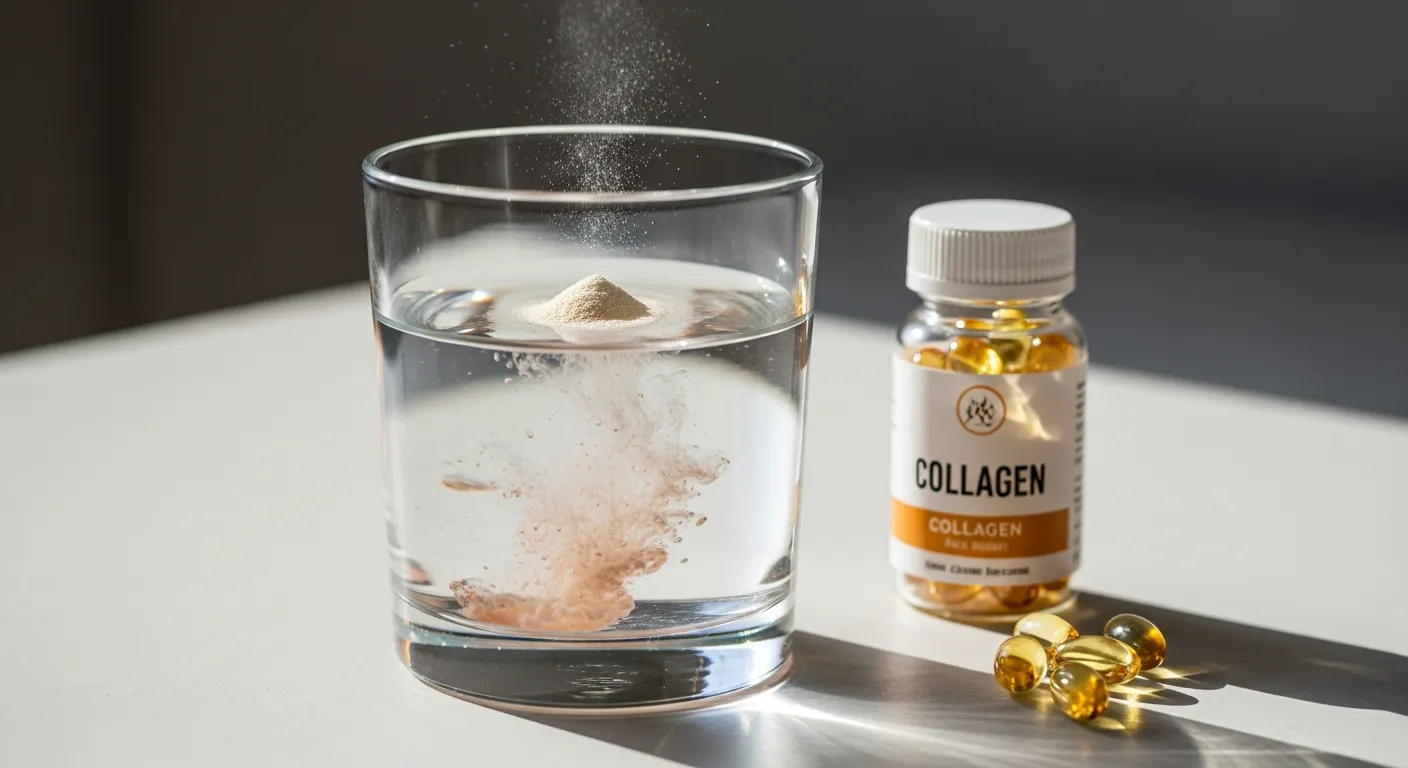
While aging is a natural part of life, slowing its effects as much as possible and maintaining a high quality of life is a common goal for many of us. Among the supplements that stand out in this quest are collagen supplements. Promising a wide range of benefits from beauty to joint health, these supplements are at the forefront of both scientific research and individual experiences.This article will cover anti-aging collagen supplements in all their aspects. We will begin by providing fundamental information such as what collagen is, its role in our body, why it decreases with age, and what different types of collagen mean. Subsequently, we will detail the forms in which collagen supplements are available, their potential benefits, possible side effects, and most importantly, how to choose the right product for your needs.## What is Collagen and Its Importance in Our Body?Collagen is the most abundant protein in our body and is the fundamental building block of our connective tissues. It acts as a 'glue' that gives our skin elasticity and firmness, ensures our joints function properly, and holds together our bones, hair, nails, and even internal organs. Comprising approximately 30% of our body weight, collagen can be thought of as a type of skeletal and support system.As we age, our body's ability to produce collagen decreases. Typically, starting from our mid-20s, we begin to lose about 1% of collagen each year. This leads to the formation of wrinkles and sagging skin, increased joint pain and stiffness, thinning hair, and brittle nails. Environmental factors such as exposure to sunlight, smoking, poor nutrition, and stress can also accelerate collagen breakdown.## How Do Collagen Supplements Work?Collagen supplements are typically found in the form of hydrolyzed collagen or collagen peptides. This means that large collagen molecules are broken down into smaller peptides. These small peptides are more easily absorbed by the digestive system and enter the bloodstream, reaching the areas of the body where they are needed. Here, they act as building blocks for the body to produce its own collagen and can also help stimulate collagen-producing cells like fibroblasts to increase their own collagen synthesis.## The Anti-Aging and Collagen Relationship: Expected BenefitsThe potential anti-aging effects of collagen supplements cover a wide range:* Skin Health and Appearance: Can help increase skin elasticity and moisture, reducing the appearance of fine lines and wrinkles. Collagen is a key component that keeps skin plump and smooth. Research shows improvements in skin elasticity and moisture levels in individuals who regularly take collagen supplements.* Joint Health and Mobility: As an important component of joint cartilage, collagen can alleviate joint pain and increase joint mobility. It is especially used to support joint comfort in athletes and older individuals.* Hair and Nail Strengthening: Collagen can nourish hair follicles, contributing to stronger and healthier hair growth. It can support a more robust nail structure by reducing nail brittleness.* Bone Density: Collagen, which forms the main structure of bones, can help maintain bone density. Its role in supporting bone health, particularly in postmenopausal women, is being investigated.* Gut Health: According to some theories, collagen may support the integrity of the gut wall, contributing to the improvement of conditions like 'leaky gut' syndrome. However, more scientific research is needed on this topic.## Different Types and Sources of CollagenCollagen supplements come in different types and sources. The most common ones are:* Type I Collagen: Makes up 90% of the body's collagen. Found in skin, hair, nails, bones, tendons, and connective tissue. Important for skin elasticity and overall tissue health.* Type II Collagen: Primarily found in joint cartilage. Critically important for joint health and mobility.* Type III Collagen: Found alongside Type I in the structure of skin, organs, and blood vessels. Works with Type I on skin elasticity and a youthful appearance.### Collagen Sources:* Bovine (Beef) Collagen: Typically contains Type I and Type III collagen. Popular for skin, bone, and joint health.* Marine (Fish) Collagen: Typically contains Type I collagen. Considered to have higher bioavailability than bovine collagen. Preferred by those focusing on skin health.* Chicken Collagen: Typically contains Type II collagen and is particularly beneficial for joint health.* Vegan Collagen Alternatives: Instead of animal-derived collagen, there are plant-based ingredients that support collagen production (e.g., Vitamin C, silica, amino acids) or genetically engineered yeast/bacteria-based collagens. While not direct collagen, these can help the body produce its own collagen.When determining which type of collagen to choose based on your needs, you can refer to the table below:| Feature | Bovine (Beef) Collagen | Marine (Fish) Collagen || :------------------ | :-------------------------------------------------------- | :--------------------------------------------------------- || Source | Bovine hide, bones | Fish skin, scales || Primary Types | Type I and Type III | Type I (mostly) || Key Benefits | Skin elasticity, bone, joint, hair, nail health | Skin elasticity, wrinkle reduction, nail strengthening || Absorption Rate | Good | Very Good (smaller peptides) || Allergy Risk | Lower (generally) | Risky for those with fish allergies || Area of Use | General anti-aging, joint and bone support | Skin-focused anti-aging, for those seeking faster results |## Forms of Collagen SupplementsCollagen supplements are available in various forms. The choice may depend on personal preferences and ease of use:* Powder Form: Generally the most popular and economical option. Often tasteless and odorless, allowing it to be easily mixed into beverages (water, coffee, smoothie) or foods (yogurt, soup). Dosage adjustment is flexible.* Capsule or Tablet Form: A practical solution for travelers or those bothered by the taste. However, multiple capsules may often need to be swallowed to achieve the desired dose.* Liquid Form: Offered as ready-to-drink beverages. Provides easy consumption but is generally more expensive, and storage conditions may vary. Some may be flavored.## Tips for Choosing the Right Collagen SupplementWith many collagen supplements on the market, making the right choice can be confusing. Here's what to look out for:1. Determine Your Needs: Is your priority skin, joints, or overall health? This will determine which type of collagen you should focus on (e.g., Type I and III for skin, Type II for joints).2. Source and Quality: Check which animal the supplement is derived from (bovine, fish, chicken). Labels such as grass-fed bovine collagen or wild-caught marine collagen can provide clues about product quality. Also, research whether the product has passed heavy metal tests or has third-party certifications.3. Additional Ingredients: Some vitamins and minerals support collagen absorption and synthesis. Vitamin C, in particular, is essential for the body to produce its own collagen. The addition of ingredients like hyaluronic acid, biotin, or zinc can also enhance benefits. For example, taking Vitamin C along with Vitamin D supplements can support your overall bone and immune health. You can explore this topic in more detail in our article Vitamin D Supplements: Biohacking Effect on Holistic Health.4. Dosage: The generally recommended daily dose is between 5-15 grams. Follow the product label instructions and consult a healthcare professional to determine the appropriate dosage for you.5. Reliability: Choose reputable and transparent brands. Research product reviews and information about the brand.## Potential Side Effects and ConsiderationsCollagen supplements are generally considered safe. However, some individuals may experience mild side effects:* Digestive Issues: Mild digestive discomforts such as bloating, diarrhea, or constipation may rarely occur.* Alerjik Reaksiyonlar: Individuals with fish or egg allergies, in particular, should be cautious about collagen supplements derived from these sources.* Taste and Odor: Some collagen supplements may have a slight taste or odor. This can be more pronounced, especially with marine collagen.Before starting any supplement, it is important to consult your doctor or a healthcare professional, especially if you have a chronic condition or are taking regular medication.## Supportive Approaches When Using Collagen SupplementsCollagen supplements are not a standalone solution. Optimizing your lifestyle is an important part of supporting collagen production and enhancing anti-aging effects:* Balanced Nutrition: A diet rich in fresh fruits, vegetables, whole grains, and healthy proteins ensures your body receives all the necessary nutrients for collagen production.* Vitamin C Intake: Vitamin C is vital for collagen synthesis. Ensure you get enough Vitamin C from foods like citrus fruits, red peppers, and kiwi.* Adequate Sleep: During sleep, the body repairs and regenerates itself, which is critically important for collagen production. For a quality sleep routine, you can check out our article Elevate Sleep Hygiene with Smart Alarm Systems: Wake Up More Refreshed.* Sun Protection: The sun's UV rays accelerate collagen breakdown. Using sunscreen and avoiding excessive sun exposure helps protect your skin's collagen.* Stress Management: Chronic stress can increase inflammation in the body, leading to collagen breakdown. Incorporating stress management techniques into your life is important.## ConclusionAnti-aging collagen supplements, when used correctly, can be an effective tool for improving skin health, enhancing joint comfort, and contributing to the overall rejuvenation process. However, instead of expecting a miraculous solution, it's important to view these supplements as part of a holistic health approach. Choosing a quality product, using it regularly and at the correct dosage, and supporting it with healthy lifestyle habits will ensure you get the most out of collagen supplements. As always, consulting a specialist for your personal health status and needs is the most appropriate step.## References* National Institutes of Health (NIH)* Mayo Clinic* Harvard Health Publishing* World Health Organization (WHO)
Frequently Asked Questions
When do collagen supplements start to show effects?
The effects of collagen supplements typically begin to be noticed after 4-12 weeks of regular use, but this can vary from person to person.
Which type of collagen is more suitable for me?
For skin, hair, and nail health, Type I and III collagen (bovine or marine) may be more suitable, while for joint health, Type II collagen (chicken) may be preferred.
Can vegans use collagen supplements?
Direct animal-derived collagen cannot be used, but plant-based supplements that support the body's own collagen production or genetically engineered vegan collagen alternatives are available.
Do collagen supplements cause weight gain?
Collagen supplements generally do not cause weight gain. Thanks to their protein content, they can even help with weight management by providing a feeling of fullness.
When should I take collagen supplements?
They can be taken at any time of day. Although taking them on an empty stomach is recommended for best absorption, taking them with food might be better for those with digestive sensitivity.
This content was researched and prepared by the İlgi Alanları editorial team and reviewed for accuracy and readability before publication. Information on health, finance and investment topics is general in nature and does not replace professional advice.