The Effects of Home Scents on Our Mood: Scientific Connections and Recommendations
The scent that greets you when you walk through your front door is more than just a detail; it's a powerful factor that directly influences your mood, memories, and even your energy. In this article, we will delve into the psychological effects of home scents.
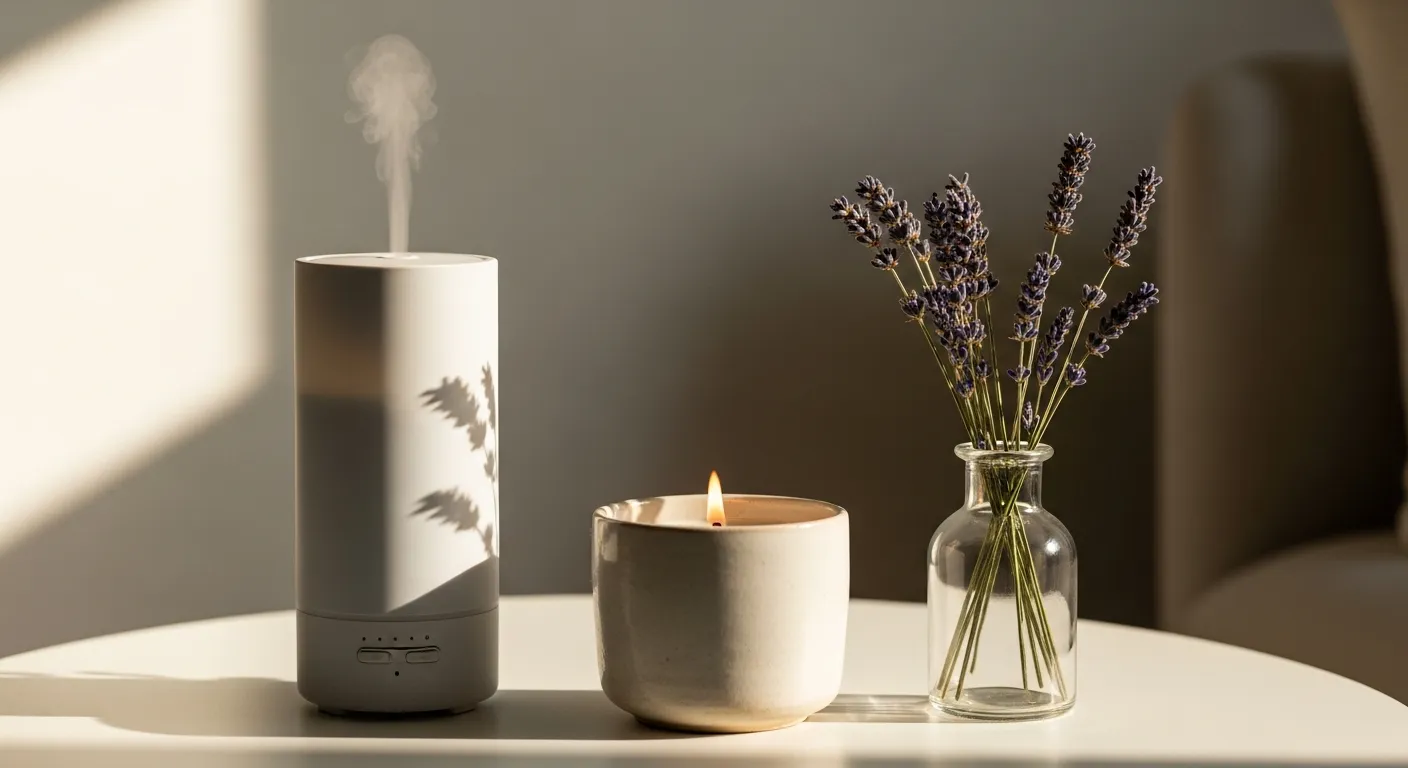
When you step through your front door and a scent wafts in, it's more than just a perception. This scent can instantly affect your mood, transport you to past memories, or even change your current energy. The psychological effects of home scents, as confirmed by science, are quite profound and complex. In this article, we will delve into how scents interact with our brain, the specific effects of different home scents on our psychology, and how to make the right scent choices for your living space.## Scents and the Brain: The Scientific ConnectionThe power of scents comes from their direct connections with the limbic system in our brain. The limbic system is a region responsible for fundamental functions such as emotions, memory, and motivation. Unlike other senses, the sense of smell bypasses the thalamus and reaches the limbic system directly. This is the primary reason why a scent can instantly trigger a strong emotional response or a vivid memory.* Memory and Scent: A particular scent can evoke a memory from your childhood, an old friend, or a forgotten holiday. This is known as the Proust Effect. Scents leave much stronger and more lasting memory traces than visual or auditory stimuli.* Emotional Responses: A scent can trigger an alarm system in our subconscious (e.g., the smell of burning) or create an immediate feeling of relaxation (e.g., lavender). These responses can often be learned or evolutionary in origin.* Physiological Effects: Scents not only evoke emotional but also physiological responses. Some scents can lower heart rate, while others can increase blood pressure or promote alertness.The scents we diffuse in our home environment have the potential to directly shape our quality of life and psychological well-being through these powerful connections.## Key Psychological Effects of Home ScentsConsciously choosing home scents not only makes our living spaces pleasant but also positively influences our mood and behavior. Here are the main effects:### 1. Relaxation and Stress ReductionWhen we return home after a busy day, a calming scent that greets us can instantly help us relax. Scents like lavender, chamomile, and sandalwood help soothe the nervous system, reducing stress and anxiety. These scents are known for their properties in improving sleep quality and calming the mind.### 2. Energy and AlertnessInvigorating scents are ideal for those who struggle to wake up in the mornings or need an energy boost during the day. Scents like citrus (lemon, orange, grapefruit), peppermint, and rosemary enhance mental alertness, strengthen focus, and boost overall energy levels. These scents are suitable for studies or kitchens.### 3. Focus and ConcentrationChoosing the right scent in work or study areas can increase productivity. Scents like rosemary, lemon, and eucalyptus enhance mental clarity and support concentration. These scents can help reduce distractions and improve cognitive performance.### 4. Sense of Belonging and SecurityA unique, warm, and familiar scent in your home reinforces a sense of belonging and security. Scents like vanilla, cinnamon, freshly baked bread, or coffee strengthen the feeling of being home and create a perception of warmth and comfort. These scents also help create a welcoming atmosphere when hosting guests.### 5. Romantic and Emotional AtmosphereCertain scents can be chosen to create special moments or romantic settings. Scents like jasmine, rose, ylang ylang, and sandalwood help stimulate the senses and create a romantic and sensual atmosphere.## Specific Effects of Different ScentsEach scent has a unique chemical structure and, consequently, different psychological effects. Here are some popular home scents and their known effects:* Lavender: Calming, sleep-inducing, anxiety-relieving.* Lemon/Citrus: Invigorating, mood-enhancing, energizing, focus-boosting.* Peppermint: Enhances mental alertness, alleviates headaches, reduces fatigue.* Rosemary: Strengthens concentration, supports memory, provides mental clarity.* Vanilla: Relaxing, imparts a sense of warmth, creates a sweet and comfortable atmosphere.* Pine/Cedarwood: Imparts a sense of connection with nature, refreshing, mentally invigorating, stress-reducing.* Eucalyptus: Clears respiratory passages, purifies the mind, energizing, alleviates cold symptoms.* Jasmine: Mood-enhancing, antidepressant effect, creates a romantic atmosphere.## Choosing the Ideal Home Scent: Personal Preferences and Room FunctionChoosing the right home scent is a personal journey. The most effective scent is one that resonates with you and creates your desired mood. However, some general principles can guide you:* Personal Preference: First, discover which scents make you feel good. While some scents are generally liked, individual reactions can vary.* Room Function: Choose scents according to the room's purpose.* Bedroom: Calming and relaxing scents (lavender, chamomile, sandalwood).* Study/Office: Scents that enhance focus and provide energy (lemon, rosemary, peppermint).* Living Room: Warm, inviting, and relaxing scents (vanilla, cinnamon, cedarwood).* Kitchen: Refreshing, appetite-stimulating, or odor-eliminating scents (citrus, basil, coffee).* Bathroom: Scents that evoke a sense of cleanliness and freshness (eucalyptus, peppermint, lemon).* Seasonal Influences: Changing scents according to the seasons can also affect your mood.* Spring/Summer: Light, floral, citrus, and fresh scents.* Autumn/Winter: Spicy, woody, warm, and gourmand scents (cinnamon, clove, vanilla, pine).## Home Scent Application MethodsThere are many different ways to diffuse home scents. Each method has its unique advantages and disadvantages:| Method | Intensity | Safety | Cost | Benefits || :------------------ | :--------------- | :-------------------------------------------- | :--------------- | :-------------------------------------------- || Essential Oil Diffusers | Adjustable (Low-High) | Safe with correct oils, requires regular cleaning | Medium-High | Aromatherapy, long-lasting effect, humidification || Natural Candles (Soy/Beeswax) | Medium-High | Flame safety, natural ingredients preferred | Medium-High | Ambiance, natural scent, long burn time || Room Sprays/Reed Diffusers | Low-Medium | Beware of artificial chemicals, instant effect | Low-Medium | Quick effect, practical use || Dried Flowers/Potpourri | Low | Completely natural, decorative | Low | Light, continuous scent, aesthetic || Natural Ventilation | None | Healthiest | None | Fresh air, odor elimination |* Essential Oil Diffusers: One of the most popular and effective methods. It works with water and a few drops of essential oil, diffusing the scent into the room as a fine mist. Ideal for aromatherapy. Its natural and therapeutic effects are powerful.* Natural Candles: Natural ingredient candles like soy wax or beeswax both emit a pleasant scent and add warm light and ambiance to the environment. It is important to avoid paraffin candles containing chemicals.* Room Sprays and Reed Diffusers: Room sprays can be used for a quick refresh. Reed diffusers, on the other hand, emit a continuous, lighter scent. It is important to pay attention to their ingredients and avoid synthetic chemicals.* Dried Flowers and Potpourri: A completely natural and decorative option. They generally emit a lighter scent and may need periodic refreshing.* Natural Methods: It is possible to create natural scents at home. For example, boiling lemon peels, cinnamon sticks, and cloves in water, or growing fresh herbs (mint, rosemary). Freshly baked cookies or freshly brewed coffee also instantly create a warm and inviting atmosphere.## Avoiding Wrong Scent Choices and Things to ConsiderWhile home scents can work wonders when chosen correctly, incorrect use or selection can lead to some negative effects:* Excessive Intensity: Overly strong scents can cause headaches, nausea, or discomfort. It's always better to start light and increase intensity if necessary.* Artificial Chemicals: Synthetic fragrances can lead to respiratory problems or skin irritation, especially in individuals with allergies or asthma. Whenever possible, opt for naturally sourced, essential oil-based products.* Allergies and Sensitivities: Everyone living in the home may have different tolerances to scents. Make choices considering potential allergies of family members or guests.* Olfactory Fatigue: Prolonged exposure to the same scent can lead to desensitization. Periodically changing scents or occasionally creating a completely scent-free environment can revitalize your senses.Your home is a reflection of your personality and lifestyle. Scents are powerful tools that deepen and enrich this reflection. By making conscious choices, you can ensure your home becomes a sanctuary that nurtures you and your loved ones, not just visually but also olfactorily. Do not underestimate the power of our sense of smell; use it wisely to transform the atmosphere of your home.
Frequently Asked Questions
Do home scents really affect mood?
Yes, home scents can strongly influence mood, emotions, and memory by directly interacting with the limbic system.
Which scents create a relaxing effect?
Scents like lavender, chamomile, sandalwood, and vetiver are known for their relaxing and stress-reducing properties.
Which home scent should I use while working?
You can choose invigorating scents like lemon, rosemary, or peppermint to enhance focus and alertness while working.
What should I consider when choosing a home scent?
You should pay attention to your personal preferences, the room's function, the seasons, and whether the products contain natural ingredients. Avoid overly intense or synthetic scents.
Can home scents cause allergies?
Yes, especially synthetic fragrances or certain essential oils can irritate respiratory tracts or cause allergic reactions in sensitive individuals or those with allergies.
This content was researched and prepared by the İlgi Alanları editorial team and reviewed for accuracy and readability before publication. Information on health, finance and investment topics is general in nature and does not replace professional advice.