European Night Trains Guide: Ticket Hacks and Hidden Costs
Save time and accommodation costs while traveling across Europe by train. We break down night train routes, ticketing hacks, and unexpected expenses.
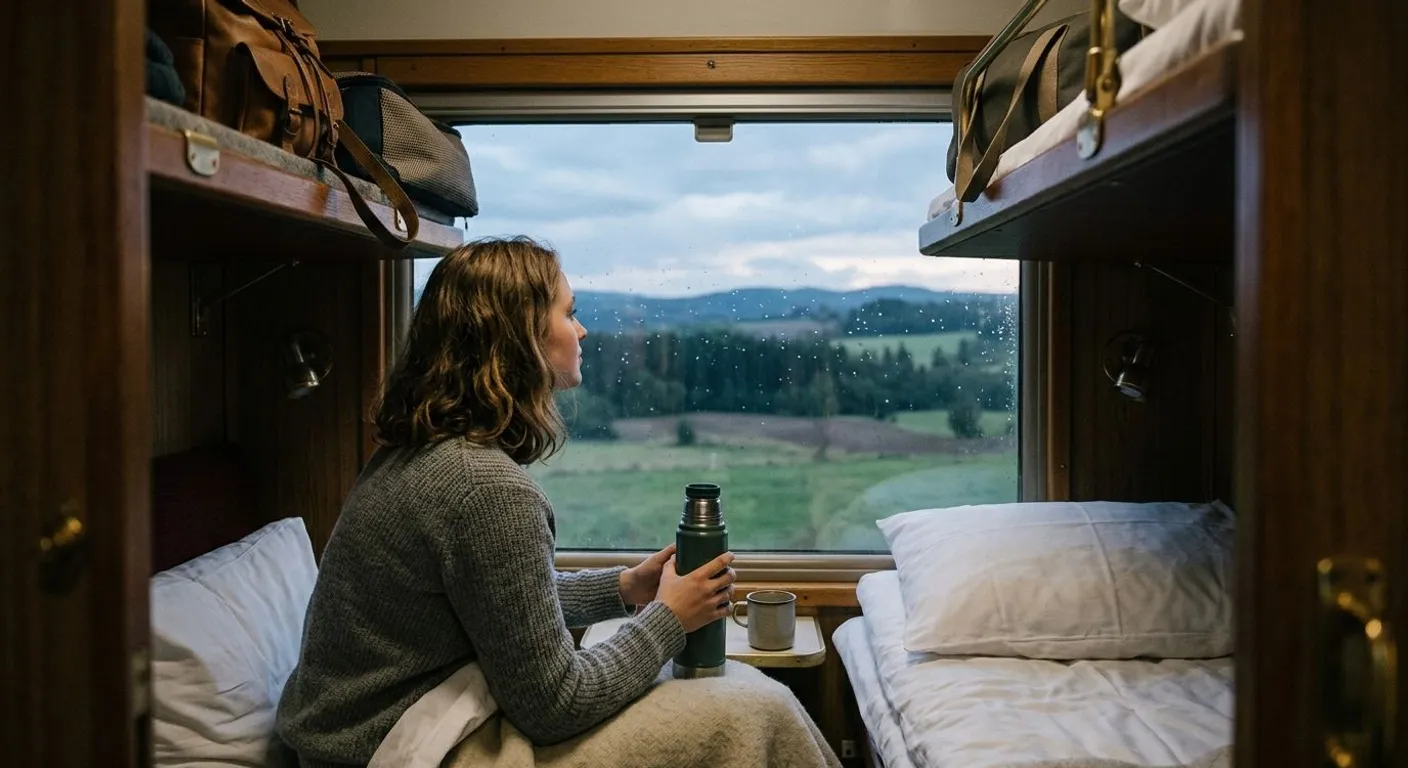
Exploring the European continent by rail is one of the most classic and enjoyable travel experiences. Night trains, which have risen in popularity in recent years thanks to eco-friendly policies and modernized lines, are a fantastic alternative for travelers looking to optimize their travel budget. Spending your days sightseeing in cities and traveling hundreds of kilometers while asleep at night sounds extremely attractive. However, the process is not as simple as it seems. Complex reservation systems, differences between travel classes, and last-minute extra charges can catch unprepared travelers off guard.
In this guide, we cover how to plan a successful itinerary on the European night train network, strategies for purchasing tickets, and every budget item you might encounter in detail.
How Night Trains Work and Popular Routes
The night train concept is not just a means of transportation, but also functions as a mobile hotel room. Departing between 8:00 PM and 10:00 PM, these trains arrive at the central station of your destination city at the first light of day. This way, you save on a night's hotel accommodation and avoid losing daytime hours on transfers.
Today, a large portion of the European night train network is operated by Austrian Railways (ÖBB) under the Nightjet brand. In addition, countries like France (SNCF), Italy (Trenitalia), and Sweden (SJ) operate active night train lines of their own. Some of the most popular current night train routes include:
- Vienna – Rome / Venice / Zurich: The most popular Nightjet routes connecting Central Europe to Italy and Switzerland.
- Amsterdam – Zurich / Berlin: Frequently used lines for travelers moving between Northern and Central Europe.
- Prague – Budapest – Warsaw: Budget-friendly services connecting the historical capitals of Eastern and Central Europe.
- Paris – Nice: A favorite for travel enthusiasts heading south within France.
When planning your trip, developing the habit of traveling light will keep you comfortable in cramped compartments. Carrying large suitcases through narrow carriage corridors can be quite challenging.
Sleeper and Seat Options: Which One Suits You?
Your level of comfort and the price you pay on night trains depend directly on the compartment type you choose. Generally, three accommodation options are offered:
1. Standard Seat (Sitzplatz)
This is the cheapest option, similar to a bus or standard train seat. It can be chosen on a tight budget, but sitting upright all night can reduce your sightseeing energy the next day.
2. Couchette Compartment (Liegewagen / Couchette)
These are typically 4- or 6-person bunk rooms. Bedding, sheets, and pillows are provided. The door can be locked from the inside. Female-only or mixed options are available. This is the most popular choice in terms of price and comfort balance.
3. Sleeper Car (Schlafwagen / Sleeper)
This is the most comfortable and private option, consisting of 1-, 2-, or 3-person rooms. Rooms feature a private washbasin, and some deluxe categories even include a private shower and toilet. Breakfast service is usually included in the ticket price.
You can compare the amenities offered by different compartment types in the table below:
| Accommodation Type | Capacity | Bed / Linens | Private Washbasin / Shower | Comfort Level | Budget Status |
|---|---|---|---|---|---|
| Seat (Sitzplatz) | 6-Person Compartment | None | None | Low | Very Economical |
| Couchette | 4 - 6 People | Included (Bunk) | Shared | Medium | Balanced / Budget-Friendly |
| Sleeper | 1 - 3 People | Included (Real Bed) | Private Washbasin (Sometimes Shower) | High | Premium |
Ticket Hacks and Early Booking Strategies
Ticket prices in the European rail system are dynamic. Just like airline tickets, prices rise as occupancy increases and the travel date approaches. You can follow these steps to secure the best price:
- Use National Railway Websites: Buy tickets directly from the operating company's official site (ÖBB, DB, Trenitalia, etc.) instead of third-party agencies or global booking platforms. Intermediaries often add processing fees or commissions.
- Watch for the 180-Day Window: Many European railway operators open sales 3 to 6 months before departure. On the first day of sale, you can take advantage of discounted tickets categorized as Sparschiene or Promo.
- Compare Price Tiers Carefully: Sometimes the price difference between a 4-person couchette and a 3-person sleeper is minimal. Check both options before deciding.
- Check Currency Conversions: When buying tickets for lines passing through non-Euro countries like Switzerland or the Czech Republic, selecting the local currency for payment may be cheaper depending on your bank's exchange rates.
If you plan to experience this route solo, considering the safety and planning tips in our solo travel guide will also be helpful.
Hidden Costs for Eurail and Interrail Holders
Many travelers assume that buying an Interrail or Eurail Pass allows them to board all trains for free without extra fees. However, the rules are different for night trains. Even if you hold a pass, reserving a bed or seat on night trains is mandatory.
Key hidden costs and points to consider include:
- Passholder Reservation Fees: You hold an Interrail pass, but you want to sleep in a 4-person couchette berth on a night train. In this case, you must pay an additional compartment fee ranging from 30 to 50 Euros. For sleeper cars, this fee can range from 70 to 100 Euros.
- Mandatory Seat Reservations: Even if you choose to travel in a seat to minimize costs, most night trains charge a mandatory seat reservation fee of 6 to 12 Euros.
- Loss of Flexibility: Discounted reservation slots for passholders are limited. During peak season (June–August), you may not find available berths even with an Interrail pass.
- Cancellation and Change Rules: Discounted night train tickets booked early are generally non-refundable and non-changeable. If your travel plans change, you may forfeit the ticket cost entirely. To protect yourself against such risks, reviewing what to consider when choosing travel insurance will help safeguard your budget.
Safety and Practical Travel Tips for Night Trains
Taking a few simple precautions will help you get a comfortable and safe night's sleep on a moving train:
- Keep Your Valuables Close: Keep your backpack or crucial items like passports and cash near your head or under your pillow. Do not forget to lock the compartment door from the inside.
- Power Outlets: Older carriages may not have power outlets at every berth. Carrying a fully charged power bank prevents communication interruptions.
- Earplugs and Sleep Mask: Rail noise, station stops, or movements of other passengers in the compartment can disrupt your sleep. A quality sleep kit can double your travel comfort.
- Station Security and Early Arrivals: Night trains usually arrive between 05:00 AM and 07:00 AM. Leaving your luggage in station lockers until hotel check-in time creates an extra cost; make sure to factor this budget item in from the start.
Resources
Frequently Asked Questions
Can I ride night trains for free with a Eurail Pass?
No. While your Eurail or Interrail pass covers the main rail fare, night trains require a mandatory reservation fee for seats, couchettes, or sleeper berths for safety and accommodation standards.
How far in advance do night train tickets go on sale?
Most European railway companies (Nightjet, DB, Trenitalia) release tickets 180 days (6 months) before the travel date. The cheapest tickets sell out quickly after release.
Are night trains safe?
Overall, European night trains are very safe. Couchette and sleeper compartment doors can be locked from the inside. It is recommended to keep your valuables near your head.
Do night trains include showers and breakfast?
Sleeper compartments include breakfast in the ticket price and offer private or shared shower facilities. Couchette compartments usually offer a light morning snack but do not have showers.
This content was researched and prepared by the İlgi Alanları editorial team and reviewed for accuracy and readability before publication. Information on health, finance and investment topics is general in nature and does not replace professional advice.