Sunlight Therapy Devices: Circadian Rhythm and Energy Guide
Are gloomy winter days and endless time indoors draining your energy? Sunlight therapy devices offer a scientifically backed way to reset your body clock, boosting your mood and focus.
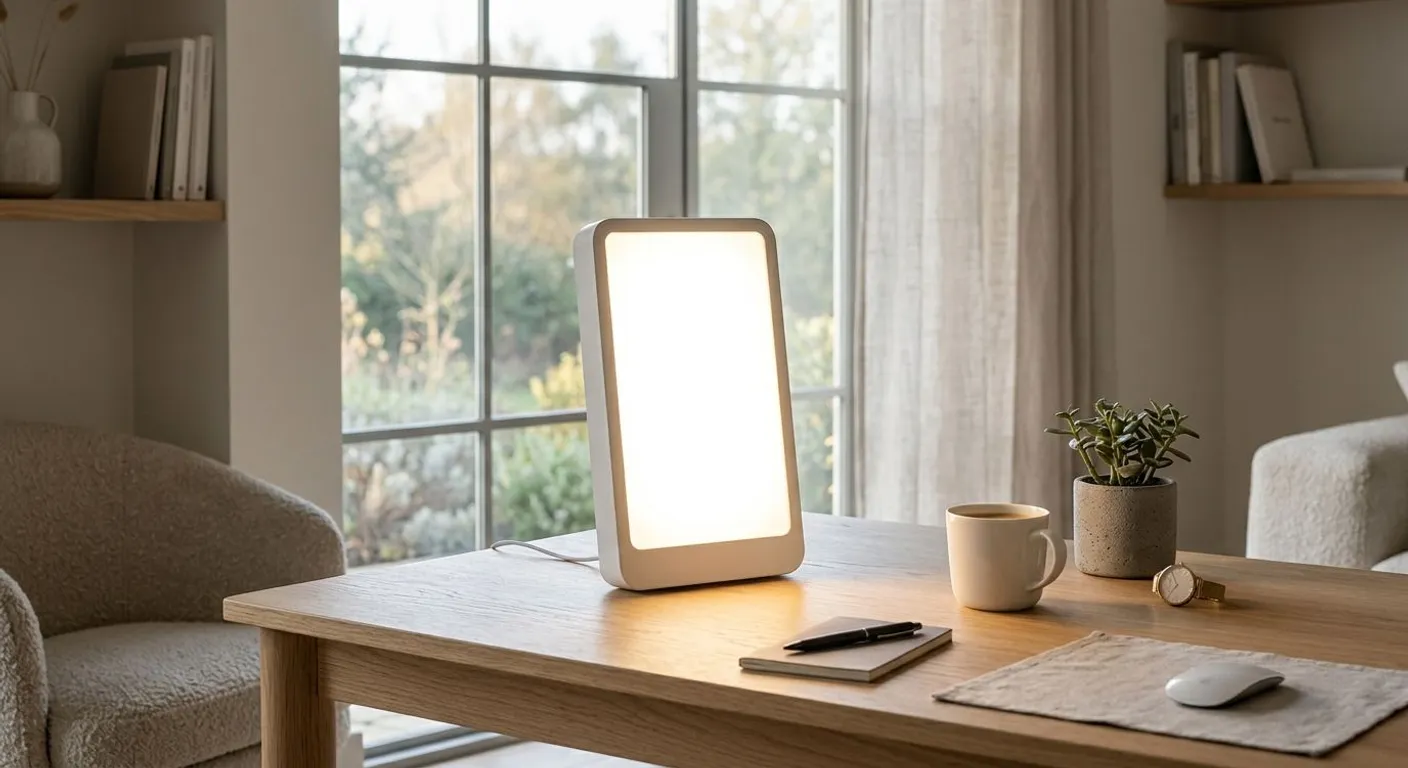
The indoor-centric lifestyle of modern life deprives us of the natural daylight we need during the day. Going to work in the morning dark, spending the entire day under artificial fluorescent lights, and returning home in the dark again completely disrupt our body clock. Sunlight therapy devices step in at this exact point, aiming to bridge nature's absence with technology.
Light therapy (phototherapy) helps us achieve a more vibrant daytime state and deeper sleep at night by realigning our biological rhythm. In this guide, we will explore all the details you wonder about, from the working principles of sunlight therapy devices to proper usage methods.
What Is Sunlight Therapy (Phototherapy) and How Does It Work?
Sunlight therapy devices are high-intensity light panels designed to mimic the spectrum of the sun while filtering out harmful Ultraviolet (UV) rays that damage the skin. When specialized photoreceptor cells in the retina of our eyes (ipRGC) detect this bright light, they send signals to the hypothalamus region in the brain.
This signal activates the circadian rhythm mechanism, which is the body's primary biological clock. The brain stops producing melatonin, the sleep hormone, and starts releasing serotonin, a neurotransmitter that promotes happiness and vitality. As a result, you feel more awake, energetic, and motivated.
The Connection Between Circadian Rhythm and Mood
Our body clock governs not only when we sleep and wake up, but also hormone release, body temperature, digestion, and mood. During winter or when we lack sufficient bright light in constant indoor office environments, the body continues to secrete melatonin even during the day. This leads to Seasonal Affective Disorder (SAD), commonly known as "winter depression," and chronic fatigue.
Bright light stimulation is essential to maintain cognitive performance and increase focus throughout the day. The proper functioning of the body clock directly affects our daily productivity. While searching for ways to extend your attention span amidst the chaos of daily life, the role of ambient lighting and light exposure is frequently overlooked. A well-timed phototherapy session can be just as effective as regular exercise in achieving mental clarity.
Why Is the 10,000 Lux Standard Important?
For a device to produce a genuine therapeutic effect, the light intensity must be at least 10,000 Lux. For comparison:
- Typical home or office lighting: 300 – 500 Lux
- Outdoors on a cloudy day: 1,000 – 5,000 Lux
- A sunny summer day: 50,000 – 100,000 Lux
- Therapeutic phototherapy device: 10,000 Lux (at a distance of approximately 40-50 cm)
No matter how bright a ordinary light bulb at home may seem, it cannot reach the threshold required to signal "it is morning" to the brain. Therefore, standard desk lamps cannot replace light therapy.
Comparison of Sunlight Therapy Device Types
There are phototherapy devices developed for different needs on the market. The table below summarizes the main features of the most common options:
| Device Type | Light Intensity (Lux) | Best Time for Use | Main Purpose |
|---|---|---|---|
| SAD Light Therapy Panel | 10,000 Lux | Within the first 1-2 hours of the morning | Relieving seasonal fatigue, fast energy boost |
| Natural Wake-Up Light (Sunrise Alarm) | 200 – 300 Lux (Gradual increase) | At wake-up time in the morning | Stress-free waking by stimulating cortisol secretion |
| Portable Light Therapy Glasses | 500 – 1,500 Lux (Near the eyes) | On the go in the morning | Practicality for travelers and shift workers |
| Desktop Circadian Lamps | 2,000 – 10,000 Lux (Adjustable) | All day (By switching modes) | Supporting focus in the office environment |
Right Usage Guide: Getting Maximum Efficiency from the Device
Using the light therapy device correctly is just as important as its technical specifications. Application at wrong hours or angles can lead to insomnia.
- Timing Is the Most Critical Element: Perform your sessions within the first two hours after waking up in the morning. Light therapy performed in the evening hours suppresses melatonin secretion, making it difficult to transition to sleep. Much like the effects of coffee on the body, bright light also has a clearance/duration of effect in the body, and taking it late will keep you awake.
- Distance and Angle: Place the device about 40-50 centimeters away from your face. Instead of looking directly at the device, ensure that the light reaches your retina indirectly from slightly above eye level. Meanwhile, you can read a book or have breakfast.
- Duration: A daily session of 20 to 30 minutes is usually sufficient for a 10,000 Lux device. For devices with lower lux values, this time may increase to 1-2 hours.
- Consistency: To feel its effect, you should use the device regularly at least 4-5 days a week, preferably every day.
If you want to create a holistic peaceful environment in your living spaces, you need to organize your mental environment alongside the light balance. Light therapy combined with a minimalist corner in your home and principles of the search for mental tranquility will significantly reduce your stress load during the winter months.
Side Effects and Precautions
Sunlight therapy is generally an extremely safe and non-invasive method. However, mild temporary effects such as light headaches, eye strain, or nausea may occur in the first few days. In this case, you can increase the distance from the device or start with shorter session durations and gradually increase them.
Important Warning: In individuals with bipolar disorder, high-intensity light therapy can trigger manic episodes. In addition, people with eye conditions such as cataracts, glaucoma, or diabetic retinopathy, as well as those taking photosensitizing medications, must consult a specialist before using a phototherapy device.
Sunlight therapy devices are a powerful ally against the indoor confinement brought by the modern era. When used at the right time and with the right technique, they can enhance your quality of life by re-harmonizing your body clock with nature.
References
Frequently Asked Questions
Do sunlight therapy devices produce vitamin D in the body?
No. Phototherapy lamps filter out harmful ultraviolet (UV) rays to protect eye and skin health. Since vitamin D synthesis requires UV-B rays, these devices do not increase vitamin D levels.
How many minutes a day should a light therapy lamp be used?
For a standard 10,000 Lux device, morning sessions lasting 20 to 30 minutes from a distance of 40-50 cm are usually sufficient.
Do I need to look directly into the phototherapy lamp?
No, you should not look directly into the device. Placing the lamp slightly above eye level or off to your side so the light reaches your eyes indirectly is sufficient.
Can sunlight therapy be done in the evening?
No. Exposure to high-intensity light in the evening suppresses melatonin secretion, making it harder to fall asleep and disrupting your biological clock.
This content was researched and prepared by the İlgi Alanları editorial team and reviewed for accuracy and readability before publication. Information on health, finance and investment topics is general in nature and does not replace professional advice.