Smart Posture Correctors: Rediscover Your Posture with the Power of Technology
Do you spend hours at your desk every day? Posture problems have become an inevitable part of modern life. However, technology offers innovative solutions to this issue.
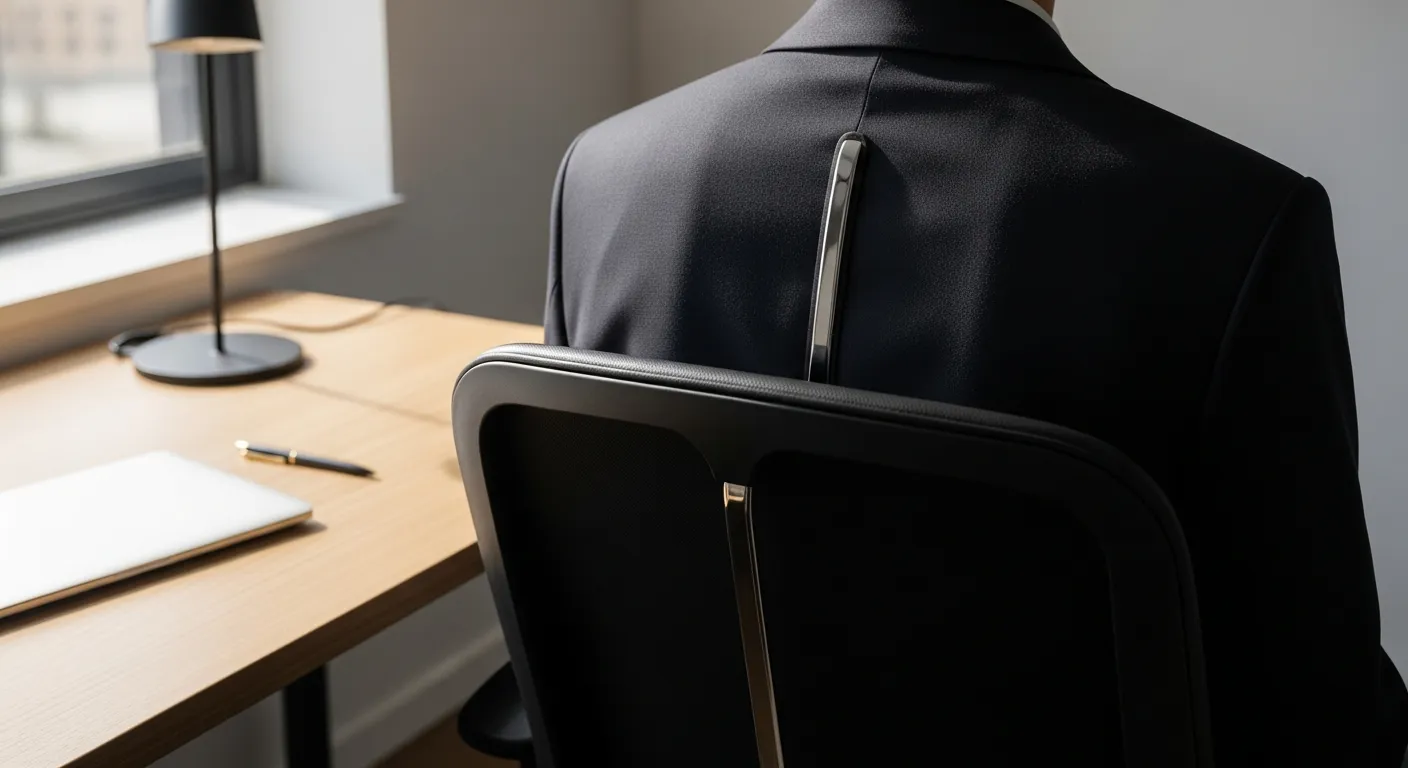
Modern lifestyles, particularly desk jobs and mobile device usage, have led to the widespread prevalence of posture problems. Issues such as slumped shoulders, hunchback, neck pain, and back problems negatively affect both aesthetic appearance and overall health. Fortunately, technology offers solutions in this area, introducing smart posture corrector devices into our lives. In this article, we will delve into what smart posture correctors are, how they work, their benefits, and what to consider when choosing the right one for you.
How Do Smart Posture Corrector Devices Work?
Smart posture correctors are essentially small, technological devices that continuously monitor your body's posture and alert you when there's a deviation from the standard posture. The operating principle of these devices typically relies on the following components:
- Sensors and Detection Mechanisms: Accelerometers and gyroscopes located within the devices detect your body's three-dimensional movements and position. These sensors identify deviations from predefined ideal posture angles. For example, they can detect if your spine is leaning forward or if your shoulders are slumping inward.
- Data Processing and Analysis: Devices process the collected sensor data with their own algorithms. In some models, this analysis is done directly on the device, while more advanced ones send data via Bluetooth to a mobile application. The app analyzes deviations in your posture and tracks your progress over time.
- Feedback Types: When your posture deteriorates, devices alert you in different ways:
- Vibration: This is the most common feedback method. The device gently vibrates when your posture is incorrect, physically alerting you. This is a noticeable but not bothersome method.
- Audible Alerts: Some devices, especially desk-mounted ones or apps, can alert the user with sound notifications.
- Mobile App Notifications: These provide detailed reports showing how long your posture was poor, how many corrections you made, and your daily posture score. This is crucial for long-term motivation and awareness.
Through this continuous feedback loop, you become aware of your poor posture habits and consciously make corrections. Over time, these corrections build muscle memory, making it easier to maintain correct posture even without the device.
Different Types of Smart Posture Correctors
Smart posture correctors are divided into different categories based on their usage and design features:
Wearable Smart Posture Correctors
These are typically small, lightweight devices worn on your back, shoulders, or a specific point on your clothing. They can be designed with magnets, adhesive, or clips.
- Back or Shoulder Mounted: These directly monitor the movement of the spine or shoulders. They usually have an ergonomic design and can be hidden under clothing.
- Smart Bras or T-shirts: Although rare, some brands integrate sensors directly into the clothing, offering a more integrated experience.
Desk-Mounted / Seat Cushion Style Devices
These types of devices are typically used in office environments or places where one sits for extended periods. Their purpose is to optimize your sitting position.
- Smart Seat Cushions: Placed on your chair, these cushions monitor your weight distribution and sitting posture. They alert you to incorrect sitting and usually provide detailed analyses via an app.
- Desk-Mounted Devices: Typically placed under the monitor or on the edge of the desk. They monitor your sitting or standing posture via cameras or sensors and provide feedback.
Benefits of Smart Posture Correctors
These technological aids offer many benefits beyond just improving your posture:
- Building Muscle Memory: This is one of the most significant benefits. Thanks to the device's continuous feedback, your brain and muscles learn to automatically adopt the correct posture.
- Pain Reduction and Prevention: Poor posture is a primary cause of chronic back, neck, and shoulder pain. Correcting your posture can significantly reduce or completely eliminate these pains.
- Increased Energy Levels: Correct posture allows for deeper diaphragmatic breathing, meaning more oxygen reaches your body. As a result, you feel more energetic and fatigue is reduced.
- Improved Self-Confidence: An upright posture positively affects not only your physical health but also your psychology. It helps you project a more confident and assertive stance.
- Enhanced Aesthetic Appearance: Issues like hunchback or slumped shoulders can make clothes fit poorly and make you appear shorter. Correcting your posture gives you a taller, leaner, and more elegant look.
- Improved Focus and Productivity: Reduced physical discomfort increases mental focus. This can lead to an increase in your work or study performance.
What to Consider When Choosing the Right Device?
When choosing a smart posture corrector, it's important to find a model that suits your needs and lifestyle:
- Comfort and Design: If you're buying a wearable device, choose a model that you can wear comfortably all day, is lightweight, and can be easily hidden under your clothes. Being made of skin-friendly materials is also important.
- App Support and Features: The ease of use of the mobile application, the statistics offered (posture duration, number of corrections, progress graphs), and customizable settings (vibration intensity, goal setting) are important features. Some apps also offer gamification features or exercise suggestions.
- Battery Life: How long the device can be used without recharging is a critical factor for daily convenience. Long battery life saves you the hassle of constantly charging the device.
- Connectivity and Synchronization: The reliability of the Bluetooth connection and the app's ability to seamlessly synchronize data are important.
- Value for Money: Many options are available across different price ranges. Choosing a device that fits your budget but has features that meet your expectations is a balanced approach.
- Targeted Area: Choosing a suitable device based on the type of posture problem you want to correct (e.g., just the back or shoulders) will be more effective.
Additional Methods to Support Posture Alongside Smart Devices
While smart posture correctors are excellent tools, for best results, they should be used with a holistic approach. Here are additional methods you can implement alongside your smart device:
- Ergonomic Workspace: Factors such as desk height, chair selection, and monitor position directly impact your posture. Your chair should have good back support, your feet should be flat on the floor, and your monitor should be at eye level. When using a keyboard and mouse, ensure your wrists remain in a neutral position.
- Regular Exercise and Stretching: Strong back and abdominal muscles (core muscles) support your spine and help maintain your posture. Activities like Pilates, yoga, or exercises aimed at strengthening back muscles are very beneficial. During long periods of sitting, regularly get up and perform stretching exercises to help relax your muscles.
- Awareness: One of the greatest contributions of smart devices is increasing posture awareness. However, developing the habit of checking your posture even when not using the device is crucial for long-term success. Frequently ask yourself, "How is my posture right now?" while sitting or standing.
- Adequate Water Intake and Balanced Nutrition: Sufficient hydration and nutrient intake are important for overall body health and strong muscle and bone structure. Pay attention to Vitamin D and calcium intake for bone health.
Comparison of Wearable and Desk-Mounted Smart Posture Correctors
| Feature | Wearable Smart Posture Corrector | Desk-Mounted / Seat Cushion Style |
|---|---|---|
| Usage Location | Anywhere (home, office, outdoors) | Generally fixed sitting/working areas |
| Comfort | Can be hidden under clothing, should be lightweight | May affect sitting position |
| Detection Area | Usually back, shoulder, and neck posture | Sitting position, some cover full body posture |
| Feedback | Vibration, app notifications | Audible alerts, app notifications |
| Portability | High | Low |
| Setup | Easy (attach to clothing/stick on) | Simple (place on chair/desk) |
| Target Audience | Active individuals, those who stand for long periods, general use | Desk workers, students |
Smart posture correctors are a valuable tool for anyone looking to develop correct posture habits. However, remember that like any health aid, these devices are not a magic wand. They yield the best results when combined with regular use, awareness, exercise, and ergonomic adjustments. Living a healthier, pain-free, and more energetic life using the power of technology is now possible.
Observe your own posture, identify your needs, and choose the smart posture corrector that best suits you to step into a better life.
Frequently Asked Questions
What is a smart posture corrector?
Smart posture correctors are wearable or desk-mounted technological devices that detect when the body deviates from the correct posture and encourage the user to correct it by alerting them with vibrations or app notifications.
Do smart posture correctors really work?
Yes, when used regularly and consciously, smart posture correctors help improve posture habits by building muscle memory. However, for best results, they should be supported by exercise and ergonomic adjustments.
How long should I use a smart posture corrector?
While usage duration varies from person to person, a few hours of daily use is generally recommended. The key is to consciously learn to correct your posture with the feedback provided by the device. Once muscle memory is established, usage frequency can be reduced.
Do smart posture correctors reduce back pain?
Yes, they can significantly reduce or prevent back, neck, and shoulder pain caused by poor posture by correcting it. However, for chronic or severe pain, it is important to consult a specialist.
What should I consider when buying a smart posture corrector?
You should pay attention to factors such as device comfort, battery life, mobile app features (data tracking, personalization), feedback type (vibration, sound), and value for money.
This content was researched and prepared by the İlgi Alanları editorial team and reviewed for accuracy and readability before publication. Information on health, finance and investment topics is general in nature and does not replace professional advice.